

12 Incredible Facts About the Elk That Will Surprise You
Discover 10 incredible facts about elk, from their echoing bugles to epic migrations across Yellowstone and the Rockies. Learn why these wild giants are vital to North America’s wilderness.
Explore the wildlife of Canada — from polar bears in the Arctic to moose in the boreal forests. Learn about the country’s diverse species, seasonal changes, and conservation stories across its vast wilderness.
Discover 10 incredible facts about elk, from their echoing bugles to epic migrations across Yellowstone and the Rockies. Learn why these wild giants are vital to North America’s wilderness.

Meet the prairie dog: a highly social ground squirrel that builds vast underground towns across North America. Find out why these small animals are key to healthy grasslands.
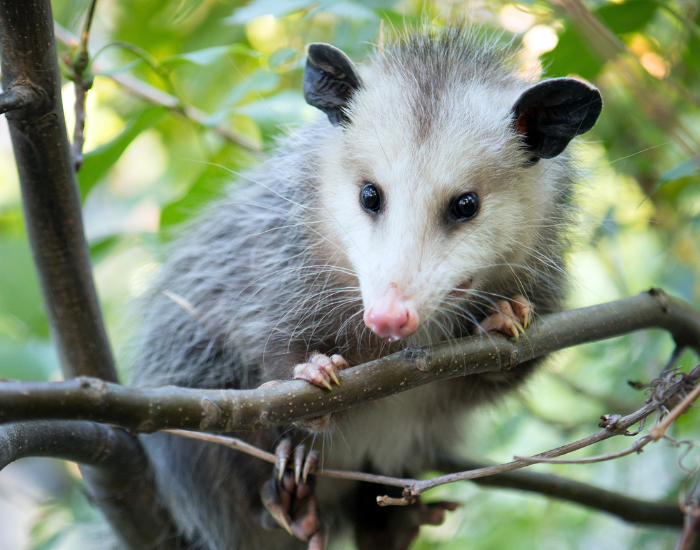
The family Didelphidae, better known as the American opossums, is one of nature’s oldest surviving marsupial lineages. In this guide, you’ll discover 12 fascinating facts about their biology, behavior, and survival strategies, plus meet 10 remarkable species

The white sturgeon is North America’s largest and oldest freshwater fish. Found in rivers along the Pacific Coast, this ancient species can grow over 20 feet long, live for more than a century, and has remained virtually unchanged for 200 million years

Lampreys are ancient, alien-looking fish with circular mouths lined in teeth — real-life inspirations behind Hollywood monsters. But behind the horror lies a story of evolution, invasion, and overlooked conservation, reminding us that beauty often decides which species we choose to protect.

Misunderstood yet mesmerizing, the wolf eel isn’t a true eel at all. This powerful Pacific predator crushes crabs and sea urchins with its jaws, forms lifelong pair bonds, and carefully guards its eggs in rocky dens beneath the waves.

Meet the pinnipeds! From the playful sea lions of the Galápagos to the mighty Stellers of Alaska, these charismatic marine mammals are both captivating and crucial to ocean health. Discover the seven sea lion species.

Red wolves (Canis rufus) are one of the rarest mammals in the world, with fewer than 25 left in the wild. Once declared extinct, they’ve been reintroduced through bold recovery programs. From their unique family packs to their role in balancing ecosystems, the red wolf’s story is both heartbreaking and inspiring.

The first time I saw a Mexican gray wolf wasn’t in the wild but through a gap in a black-veiled zoo enclosure. That glimpse—rare, secretive, almost mythical—stayed with me forever. Today, these wolves, once nearly gone from Mexico, are making a fragile comeback.

The American bald eagle bird is more than just a national symbol, it’s one of the largest raptors in North America. Females grow bigger than males, their nests can weigh over two tons, and juveniles spend years in mottled brown plumage before developing the famous white head and tail.

The pygmy owl may be small, but it’s one of the boldest hunters in the forest. Found across North America and Europe, these owls perch silently by day, waiting to swoop on unsuspecting prey. With false eyes on the back of their head and the courage to take down birds nearly their own size, pygmy owls are proof that power doesn’t always come in large packages.

Legless lizards often fool people into thinking they’re snakes — until they blink. From the California legless lizard to the Sheltopusik of Europe, these limbless reptiles tell a fascinating story of adaptation and survival. In this guide, we’ll explore 12 iconic species, their habitats, threats, and why conserving them matters.

Florida bobcats may be smaller than panthers, but they’re stealthy hunters with spotted coats, stubby tails, and big personalities. Read on for 10 fascinating facts you probably didn’t know.

The barred owl is one of North America’s most distinctive owls, recognized by its haunting call and bold striped plumage. In this article, we uncover 12 fascinating facts about its behavior, range, and role in forest ecosystems.

Bears are among the most iconic mammals on Earth, ranging from the icy Arctic to tropical forests. This guide explores all eight bear species, including the Polar Bear, Grizzly Bear, Panda Bear, and Black Bear. Discover their habitats, diets, behaviors, and the conservation challenges they face today.



