
The Secret Life of Herons: 15 Stunning Species You Should Know
Herons are the unsung predators of wetlands. Some use tools to fish, others turn into umbrellas. Here are 15 species that prove these birds are anything but boring.
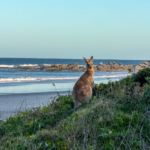
Home to kangaroos, koalas, and unique marsupials, Australia’s wildlife is unlike anywhere else. Explore native species, fragile ecosystems, and the conservation challenges that shape the land Down Under.
Herons are the unsung predators of wetlands. Some use tools to fish, others turn into umbrellas. Here are 15 species that prove these birds are anything but boring.

The giant Pacific octopus is the largest octopus species in the world, with the biggest specimen ever recorded weighing 600 pounds (272 kg) and measuring 30 feet (9 meters) across. These intelligent creatures inhabit the cold waters of the Pacific Ocean and are known for their problem-solving abilities and remarkable camouflage skills.

Ever wondered what those colorful fish are while snorkeling? From Nemo's clownfish to sand-making parrotfish, discover the 15 most common reef species you'll actually see underwater—and why they matter.

Sea anemones might look like underwater flowers, but they’re actually stinging marine animals closely related to corals and jellyfish. From glowing tentacles and venomous stings to surprising partnerships with fish, these reef dwellers are far more impressive than they first appear.

From stonefish and lionfish to stingrays, scorpionfish, and pufferfish, these are some of the most venomous fish in the world. See all 12 species!

The white tree frog, often called the dumpy tree frog, is one of Australia’s most iconic amphibians. From color-changing skin and powerful toe pads to surprisingly long lifespans and quirky habits, this species is full of surprises.
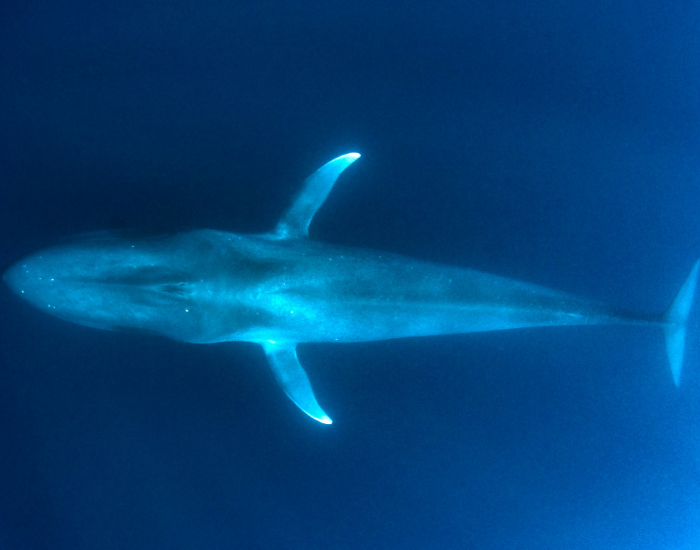
Nothing really prepares you for a blue whale. They’re not just big, they’re bigger than anything that has ever lived on Earth, dinosaurs included. In this guide, we dive into the facts, biology, and conservation story behind the largest animal to ever exist.

Scavengers rarely get the spotlight, but they’re some of the most important animals on Earth. From vultures and hyenas to beetles and crabs, these species quietly recycle nutrients and keep ecosystems healthy.

Not all green frogs are the same. Learn how to identify northern green frogs, bullfrogs, green tree frogs, mink frogs, wood frogs, Cuban tree frogs, and more.

When the dry season hits, the land cracks and animals migrate in desperation. Yet this 'dying' landscape is actually one of Earth's most powerful ecosystems. Here's the untold story.

Little Blue Penguins, also known as Fairy Penguins, captivate hearts as the world's smallest penguin species. Thriving along the coastlines of New Zealand and southern Australia, these unique birds sport distinctive slate-blue feathers and only come ashore after dark.

Meet the spotted eagle ray - from their spectacular leaps out of the water to their powerful crushing teeth that break through shells, these graceful creatures are full of surprises.

Silent wings, heart-shaped faces, and ghostly beauty — barn owls are among the world’s most captivating night hunters. Found on nearly every continent, these birds combine elegance with ecological importance. Discover fascinating facts about their behavior, habitat, and the vital role they play in keeping ecosystems in balance.

Find the secrets of the world's 200+ owl species! A biologist reveals 15 iconic owls, their silent flight, venom resistance, and ancient symbolism.

Honey bees are nature’s tiny engineers. Discover fascinating facts about their hives, teamwork, and pollination, vital to life on Earth and our food supply.