

12 Facts About the Honeybee You Need to Know
Honey bees are nature’s tiny engineers. Discover fascinating facts about their hives, teamwork, and pollination, vital to life on Earth and our food supply.
Home to kangaroos, koalas, and unique marsupials, Australia’s wildlife is unlike anywhere else. Explore native species, fragile ecosystems, and the conservation challenges that shape the land Down Under.
Honey bees are nature’s tiny engineers. Discover fascinating facts about their hives, teamwork, and pollination, vital to life on Earth and our food supply.
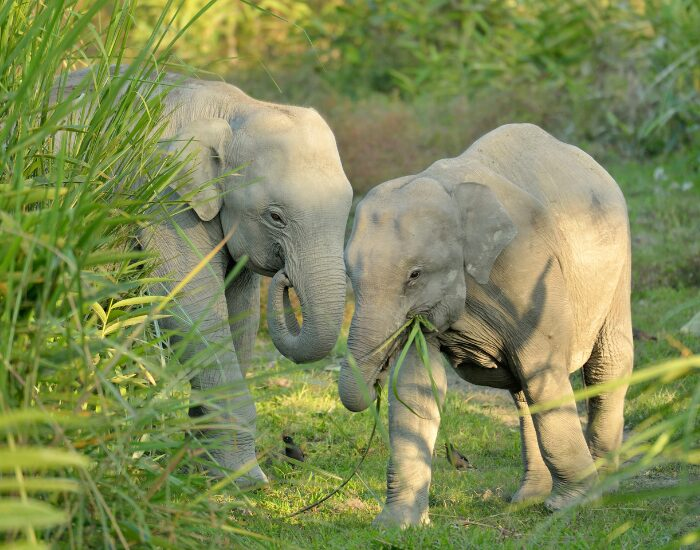
Keystone animals are nature’s quiet engineers, species whose presence keeps entire ecosystems in balance. From sea otters guarding kelp forests to wolves reshaping rivers, these animals play a critical role in maintaining biodiversity and resilience across the planet.
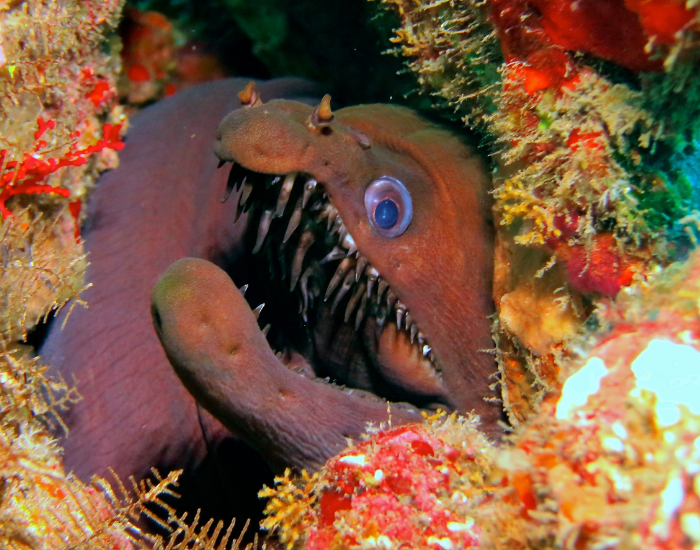
Did you know moray eels don’t have gill covers like other fish? Instead, they breathe by gulping water through circular openings. Learn more about their double jaws, sharp teeth, and the 200+ species that prowl reefs across the world.

You might think you’d notice a walking stick on a branch, but the truth is, you probably wouldn’t. Stick bugs are nature’s illusionists, camouflaged, self-replicating, and full of surprises.

Discover the world of insect leaves, from the Giant Malaysian to the Jungle Leaf Insect and beyond. Meet 11 incredible species that mimic nature so perfectly, you won’t believe number 11!

Mud daubers are solitary wasps known for their sleek bodies and the remarkable mud nests they craft on walls, rocks, or tree trunks. Far from aggressive, these quiet architects are a gardener’s ally, preying on spiders to feed their young and keeping natural pest control in perfect balance.

Coral islands are living wonders built by reefs. Learn how they form, what makes them vital to marine life, and why protecting them matters now.
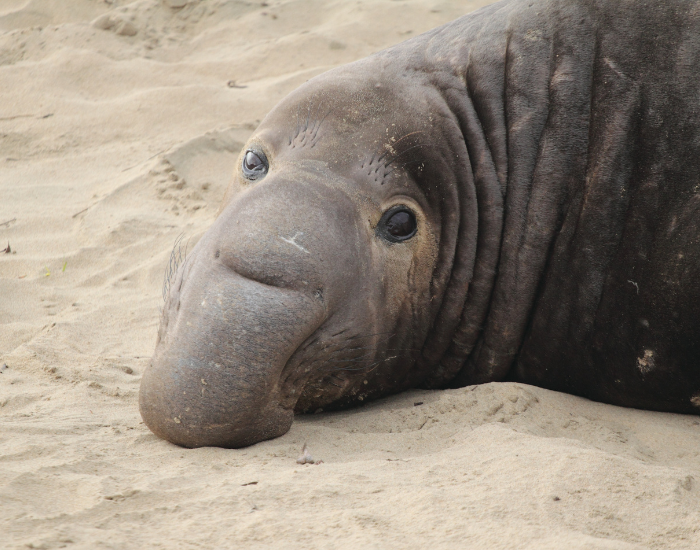
Elephant seals are the true giants of the seal world, and their size difference between males and females is nothing short of astonishing. Males can grow up to 6 metres long and weigh over 4 tonnes, nearly five times heavier than females

Meet the dugong, a slow-moving seagrass grazer and cousin of the manatee. From size to survival, uncover 12 surprising facts about this ocean dweller.
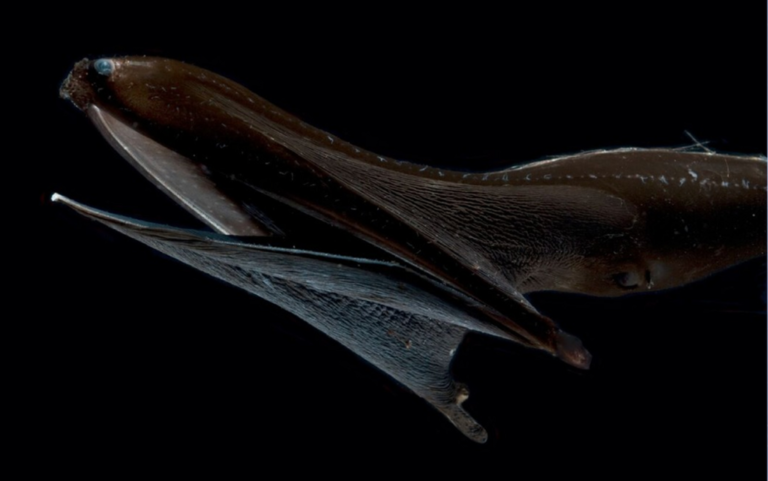
The gulper eel, also known as the pelican eel, is one of the ocean’s strangest deep-sea predators. With its enormous mouth, glowing tail, and ghostly appearance, this elusive fish thrives in the dark depths where few creatures survive. Scientists are still uncovering the secrets of its feeding habits, glowing bioluminescence, and mysterious life cycle.

Living 4,000 meters deep, angler fish attract prey with bioluminescent lures. Explore their shocking mating habits and unique adaptations for survival.

If you’re a diver or avid snorkeller, you’ve probably encountered this fish—and if you’ve ever drifted too close during mating season, you might’ve felt its wrath. Found across Indo-Pacific coral reefs, this territorial species uses its powerful jaws and sharp teeth to crush crabs, mollusks, and sea urchins.

Parrotfish are more than just colorful reef dwellers—they’re the ocean’s gardeners, cleaning coral reefs, creating white sand, and keeping marine ecosystems alive. Dive into 12 fascinating facts about these vibrant fish found from the Caribbean to the Indo-Pacific.

Quokkas are Australia’s happiest marsupials, famous for their cheeky smiles and selfie poses. Found mainly on Rottnest Island, these friendly creatures are part of the kangaroo family and known for their curious, social nature.

What do laughing kookaburras, turquoise river hunters, and long-tailed paradise kingfishers have in common? Discover the 12 stunning species that make Australia the kingdom of kingfishers.



