Hatchling Run: race your siblings to the sea
Be a baby sea turtle on three real nesting beaches. Dig out, follow the moonlight past ghost crabs and bright lights, then survive the swim frenzy.
By Cesar Medina, conservation biologist · 12 hatchlings, 1 chance
 Dig out
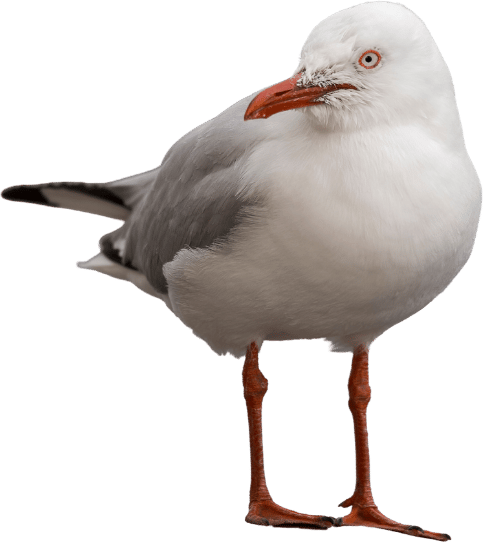 Beat the dawn
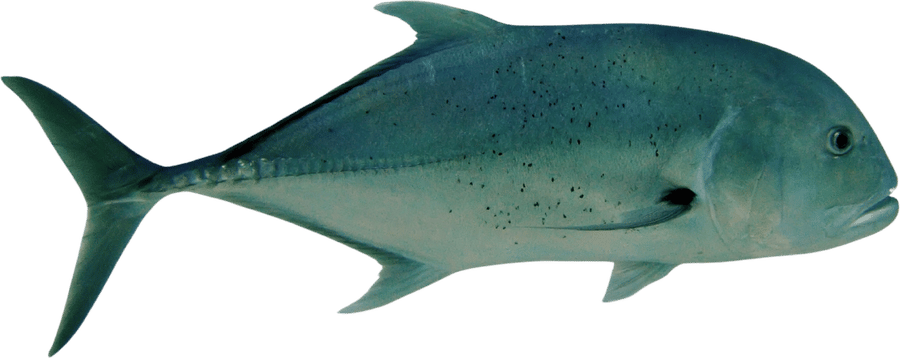 Cross the reef
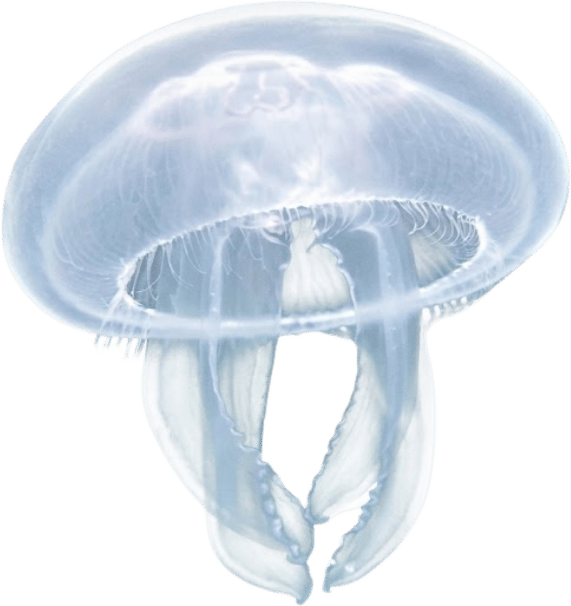 Open sea
What is Hatchling Run?
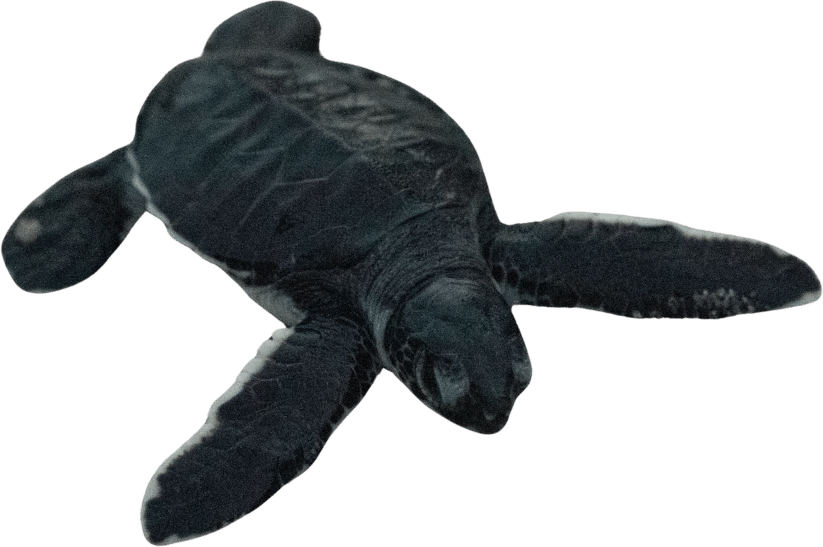
Hatchling Run is a free 3D game about sea turtle hatchlings. Pick a nesting beach, dig out of the nest and crawl to the sea with 11 siblings. Then survive the swim frenzy. Every danger in the game is a real one.
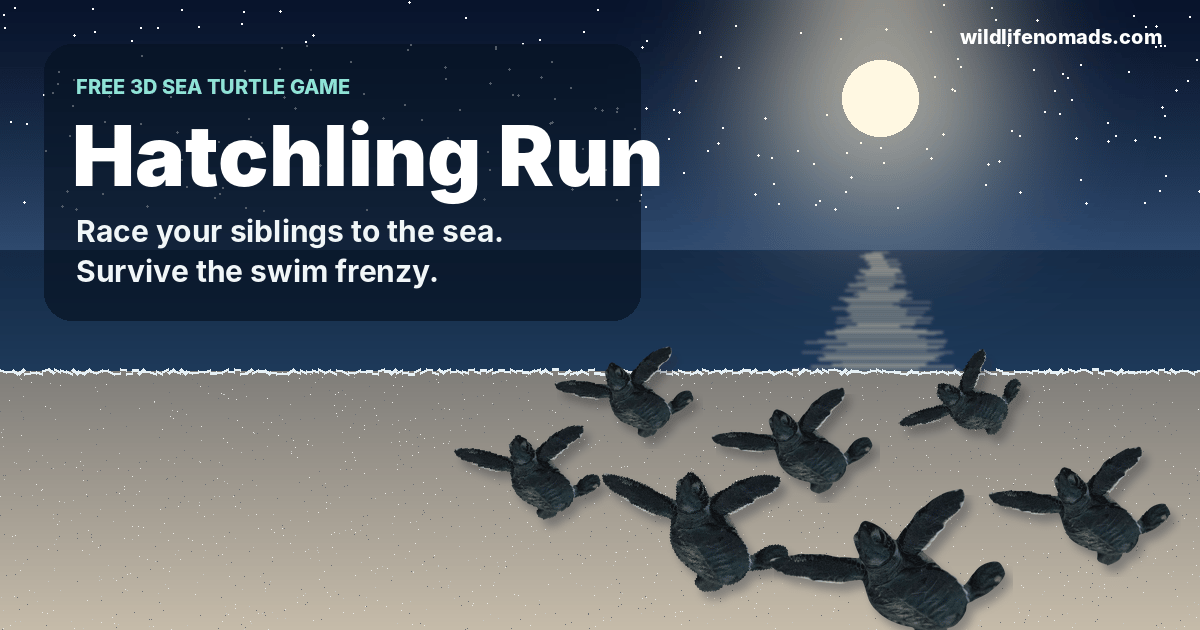
I once helped release olive ridley hatchlings at Puerto Escondido, in Mexico. Watching my little turtle struggle towards the ocean was so stressful. This game puts you in its flippers.
Three nesting beaches
- Heron Island, Great Barrier Reef: green turtles. Cross the reef flat past giant trevally and reef sharks.
- Puerto Escondido, Oaxaca: olive ridleys, the turtle I helped release. Watch out for raccoons, black vultures, frigatebirds and big waves.
- Mon Repos, Queensland: loggerheads. The glow of Bundaberg and Bargara pulls you off course, and a red fox prowls the dunes.
How do sea turtle hatchlings find the ocean?
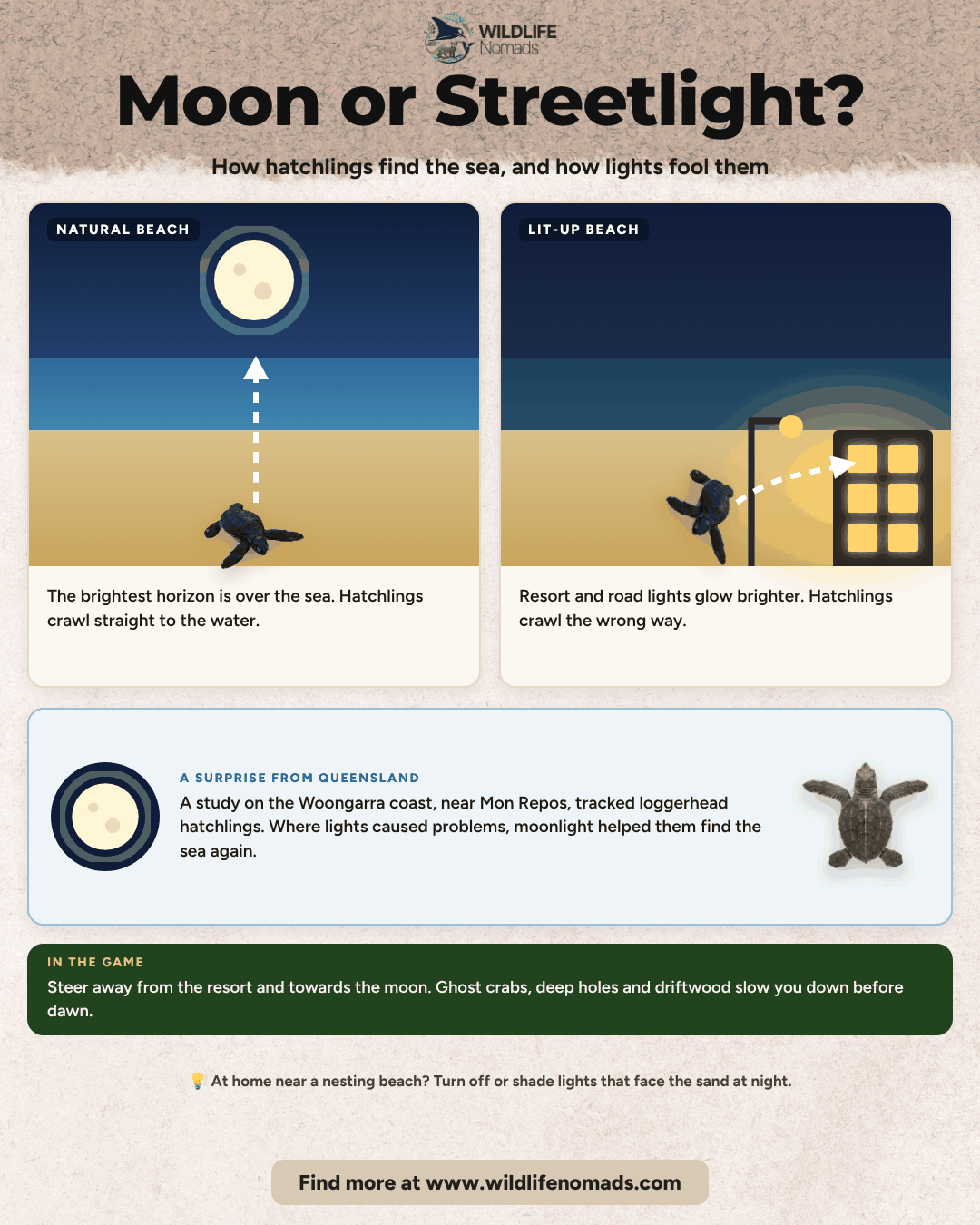
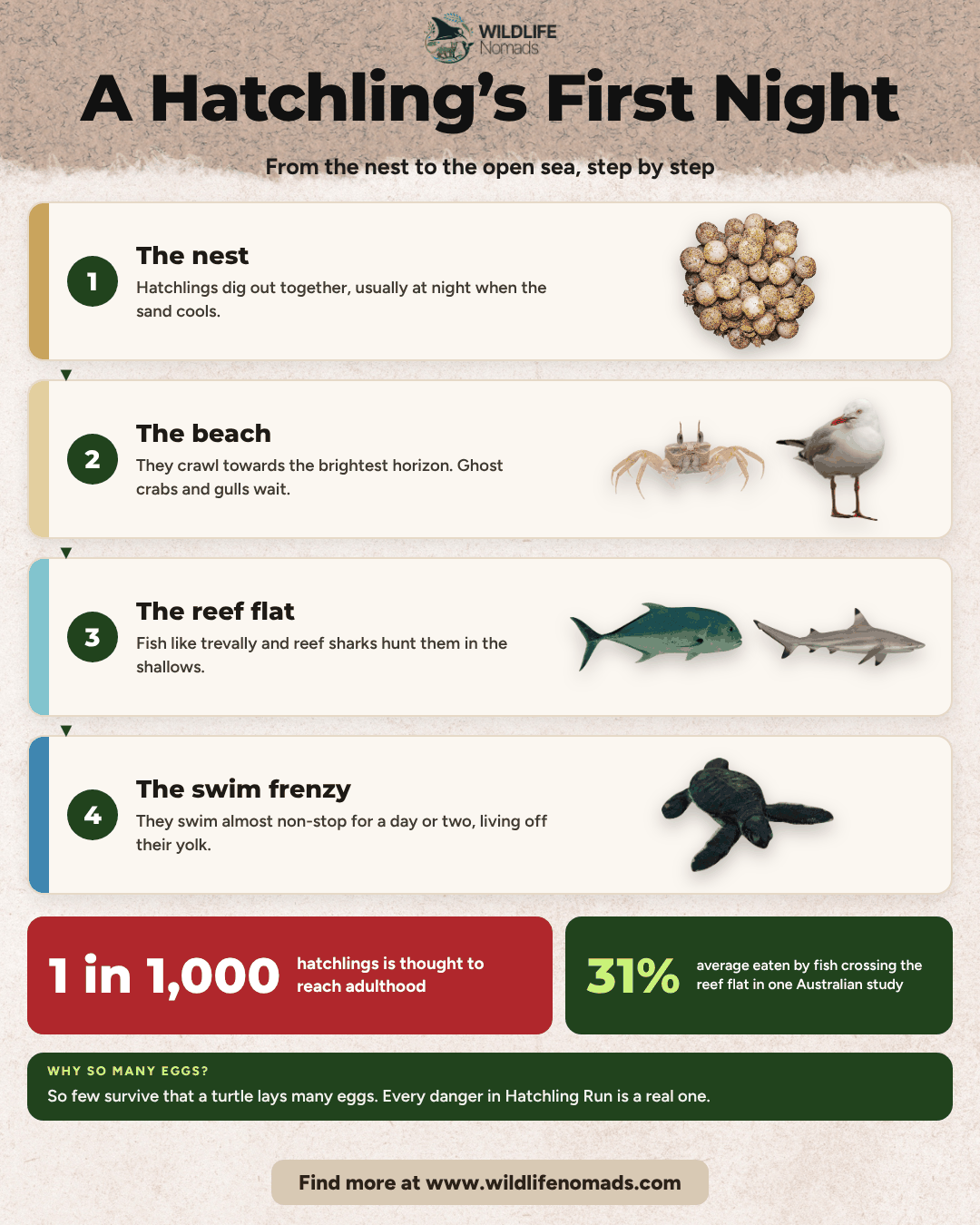
Hatchlings usually dig out at night, when the sand cools. Siblings break out together. Then they crawl towards the brightest horizon, which is normally over the sea.
Artificial lights can trick them. Hatchlings may crawl towards a resort or a road instead. A study near Mon Repos, in Queensland, looked at this. Where lights caused trouble, a full moon helped hatchlings find the sea again. That is why the game asks you to steer away from the resort and towards the moon.
What eats sea turtle hatchlings?
- On the beach: ghost crabs, gulls and black vultures. Raccoons hunt them in the Americas. In Australia, introduced red foxes raid nests. Deep holes and driftwood trap hatchlings until sunrise.
- In the water: fish such as trevally, and reef sharks. In a study in eastern Australia, fish ate an average of 31% of green turtle hatchlings crossing the reef flat.
- From above: seabirds such as frigatebirds. Hatchlings dive when a bird passes overhead, so the game gives you a Dive button.
Only about 1 in 1,000 hatchlings is thought to reach adulthood. That is why a turtle lays so many eggs.
The swim frenzy
Once in the sea, hatchlings swim almost non-stop for about a day or two. Scientists call this the swim frenzy. It carries them away from the predators of the shallow reef. They do not need to eat yet, because they live off the yolk left in their bellies.
How you can help hatchlings
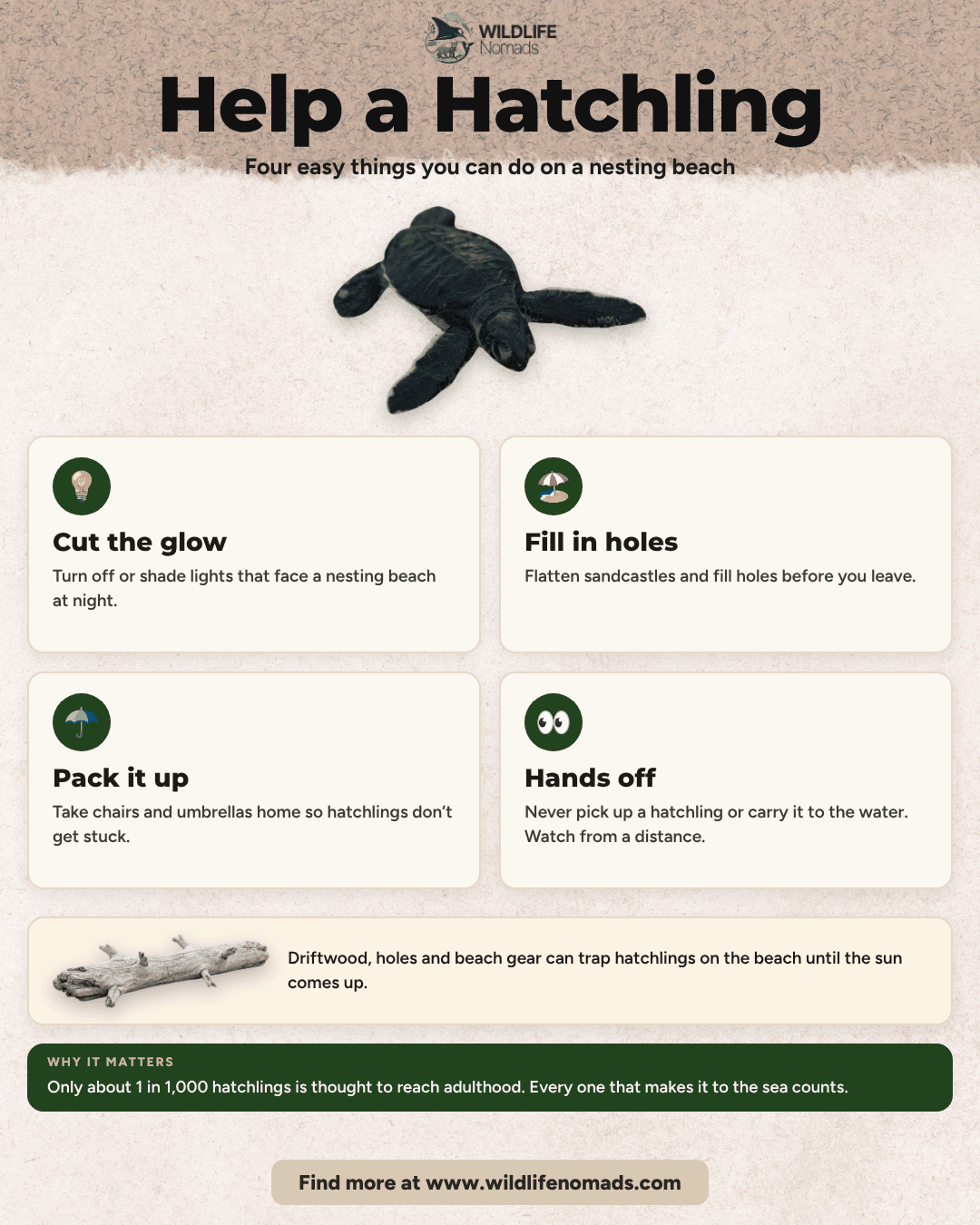
- Turn off or shade lights that face a nesting beach at night.
- Fill in holes and flatten sandcastles before you leave the beach.
- Take chairs and umbrellas home, so hatchlings do not get stuck.
- Never pick up a hatchling or carry it to the water. Watch from a distance.
Want to follow one turtle for its whole life? Try my Raise a Sea Turtle game.
Explore more games
Hatchling Run FAQ
Sea turtle hatchlings crawl towards the brightest horizon, which is usually over the sea. Once in the water, they swim into the waves.
Bright artificial lights can look like the brightest horizon. Hatchlings may crawl towards them and away from the sea.
Ghost crabs and seabirds catch them on the beach. In the water, fish such as trevally and reef sharks hunt them.
Only about 1 in 1,000 hatchlings is thought to reach adulthood. Many die on the beach or in their first hours at sea.
The swim frenzy is the almost non-stop swim hatchlings make for about a day or two after reaching the sea. It takes them away from busy coastal waters.
References
Berry, M., Booth, D. T., & Limpus, C. J. (2013). Artificial lighting and disrupted sea-finding behaviour in hatchling loggerhead turtles (Caretta caretta) on the Woongarra coast, south-east Queensland, Australia. Australian Journal of Zoology, 61(2), 137–145. https://doi.org/10.1071/ZO13028
Gyuris, E. (1994). The rate of predation by fishes on hatchlings of the green turtle (Chelonia mydas). Coral Reefs, 13(3), 137–144. https://doi.org/10.1007/BF00301189
IUCN. (2025, October). Arctic seals threatened by climate change, birds decline globally – IUCN Red List [Press release]. https://iucn.org/press-release/202510/arctic-seals-threatened-climate-change-birds-decline-globally-iucn-red-list
National Park Service. (n.d.). Sea turtles. Cape Hatteras National Seashore. https://www.nps.gov/caha/learn/nature/seaturtles.htm
Queensland Parks and Wildlife Service. (2024). Cut the glow to help turtles go [Brochure]. Mon Repos Conservation Park. https://parks.desi.qld.gov.au/__data/assets/pdf_file/0019/162802/mrcp-lights-marine-turtles.pdf