Guest post by Kai Pflug, Editor from 10,000 Birds
At the risk of sounding like somebody paid by the Chinese Communist Party (Ministry for Tourism, Nature and Conservation), China is a country with a large number of bird species. About 1450, to be exact, though only about 50-60 are endemic to China (I am now using “China” to mean “mainland China”, which will immediately incur the wrath of patriotic mainland Chinese on me for excluding Taiwan).
That puts China somewhere in the top ten of countries by species number, and probably at number 2 after Indonesia if one excludes South America (no real reason to do that, but hey, I am writing about China, so I need to make China sound like the most exciting place in the world for birders who do not like the sound of the Spanish/Portuguese language).
Anyway, what does this mean for birders – should they come to China? Particularly if, like me, they do not care so much for endemics (a rather patriotic/nationalist/bullshit concept, if you ask me – though if you ask Mr. Trump, the answer would probably be very different)?
Well, yes. Because China is probably the best place in the world to encounter a number of bird families which – excuse the lame word – I can only call “exciting”. Here they are, in no particular order, except that I put my favorite one first …
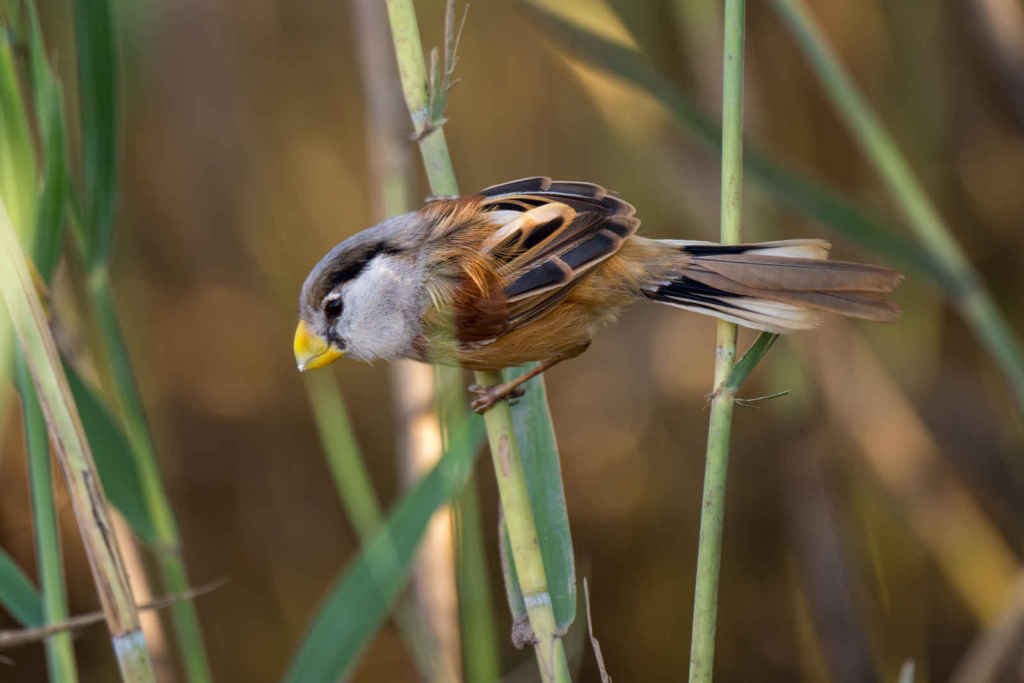
Parrotbills
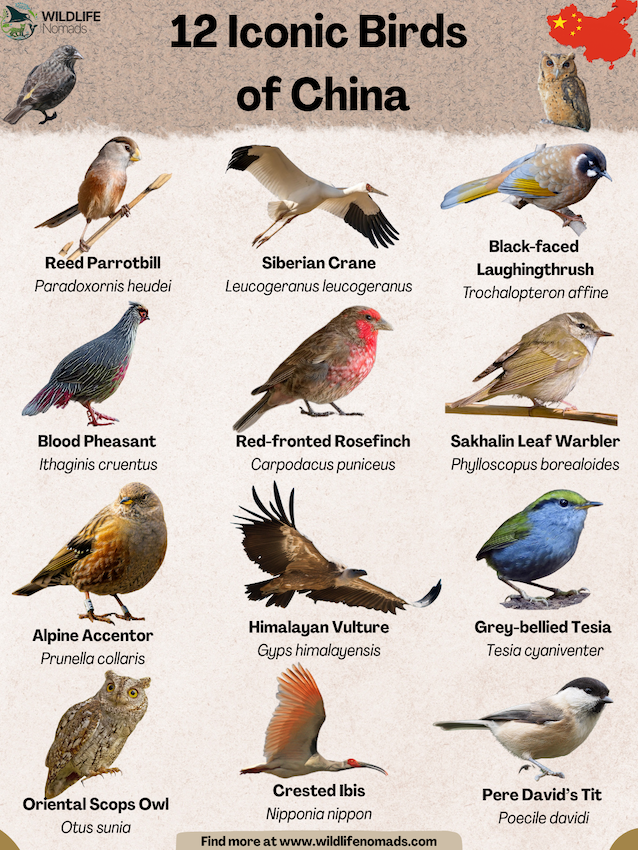
Parrotbills are mostly small, social, big-headed, and charming. China has the most species, many found only here. Many prefer bamboo as their main habitat, though my favourite one, the Reed Parrotbill, like me, a resident of Shanghai, relies on reeds to find food.
Cranes
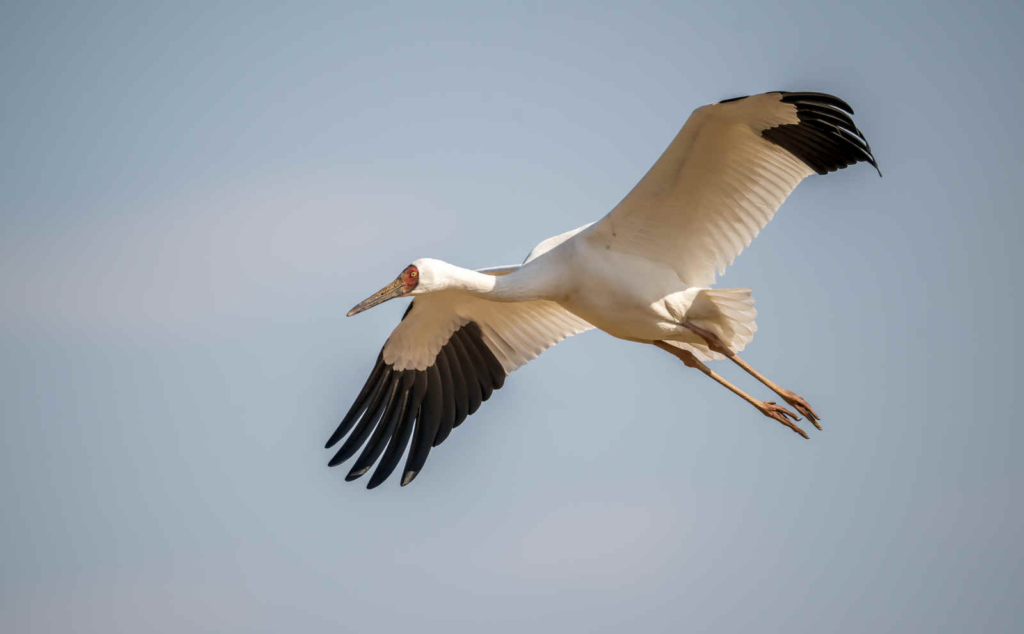
Cranes are big and somewhat obnoxiously elegant, like work colleagues insisting on always wearing designer clothes. China is a key location for several species, including Hooded and Siberian Crane. Cranes are generally easier to see in China in winter, at locations such as Poyang Lake or Chongming Dongtan (close to Shanghai).
Laughingthrushes
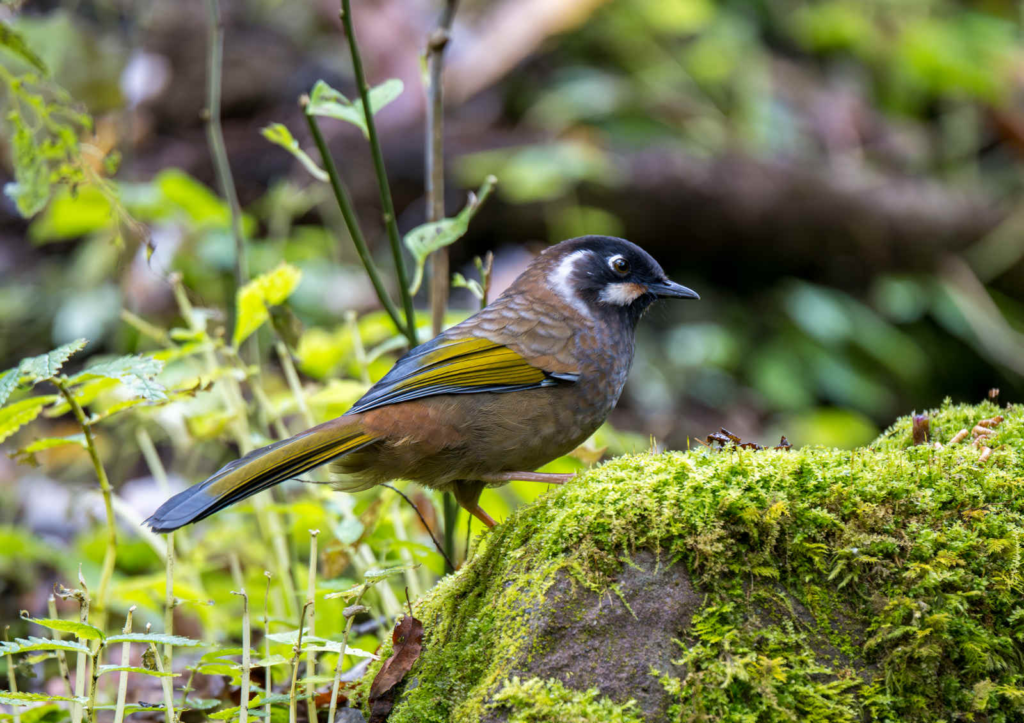
Laughingthrushes are everywhere in China’s mountains, especially Yunnan, Sichuan, and Hainan. Many are endemic and difficult to see outside of designated bird hides – but worth seeing and hearing due to their colors and calls (there is a reason they are called “laughing…”. They seem to generally distrust their ability to fly, preferring to hop on the ground. To me, they seem very social birds, so I guess I would not be very happy to be a laughingthrush. Though I would not mind at all looking as good as a Black-faced Laughingthrush.
Pheasants
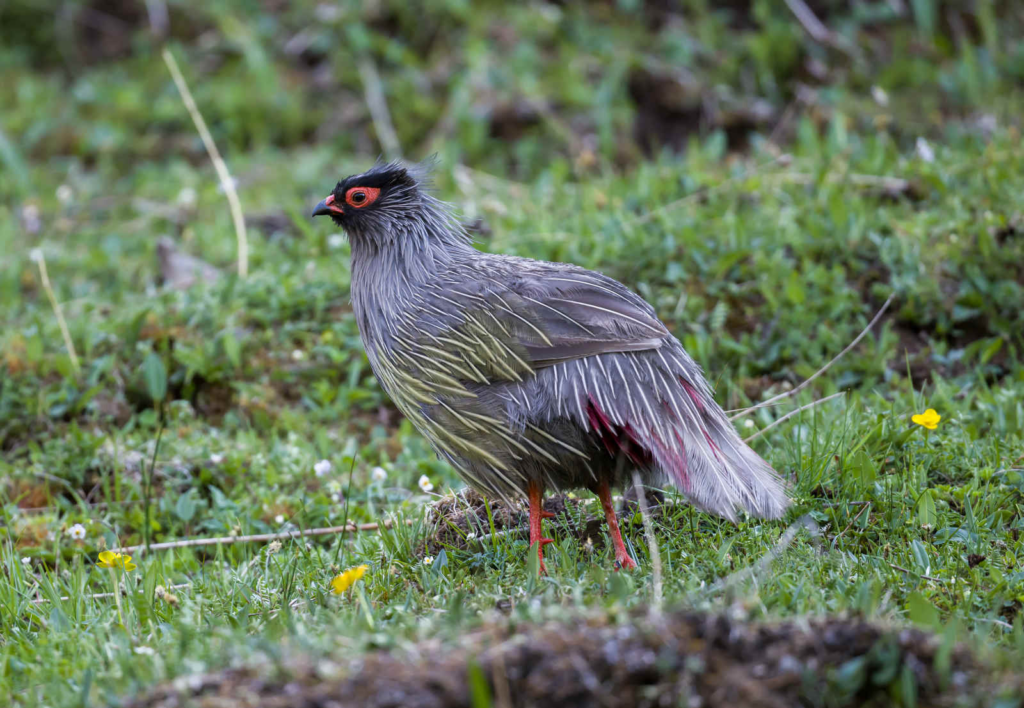
Pheasants are weird – their whole goal in life seems to be flashy but at the same time, they are quite shy. China is home to many species that ChatGPT would probably call “iconic” – but I prefer the smaller ones, particularly the Blood Pheasant that in my opinion has not been sufficiently featured in horror movies up to now.
Rosefinches
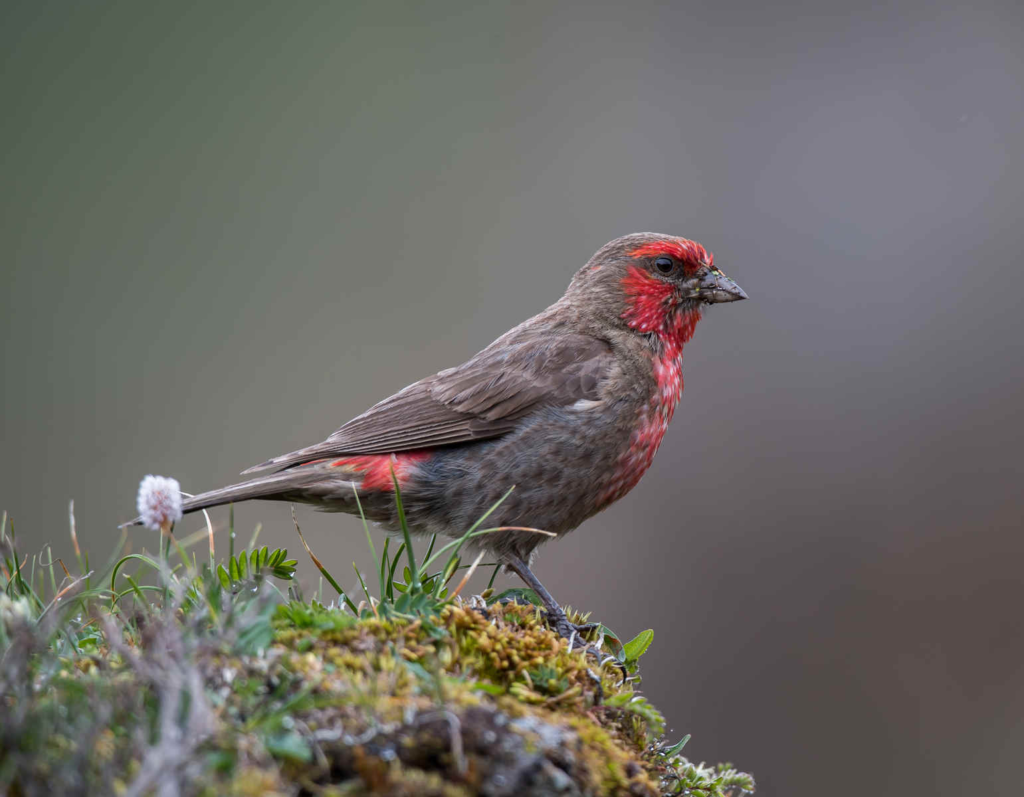
Rosefinched are mostly in the mountains, sometimes very high up, where I start having trouble breathing (they do not). China has many species, some of them like the Red-fronted Rosefinch presumably put there by the local tourism agencies to put some colour into the bleak landscape there.
Leaf Warblers
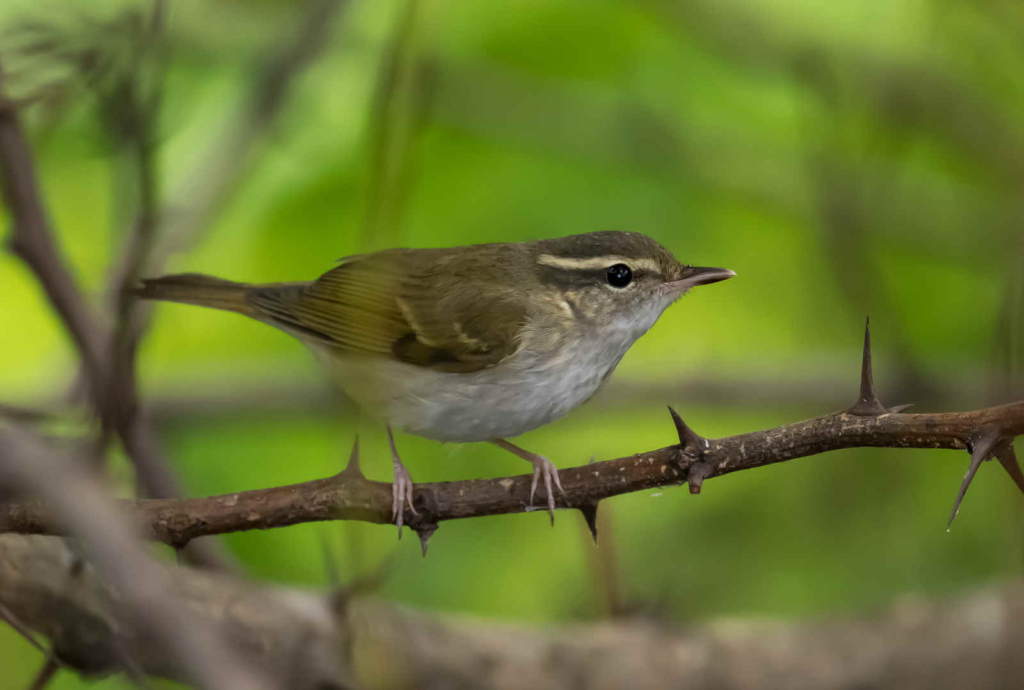
Leaf Warblers like the Sakhalin Leaf Warbler are small, fast-moving and very boring. China has a lot of species, including several endemics. Some serious birders say that telling them apart is challenging but fun – I disagree, but then, I generally do not like challenges.
Accentors
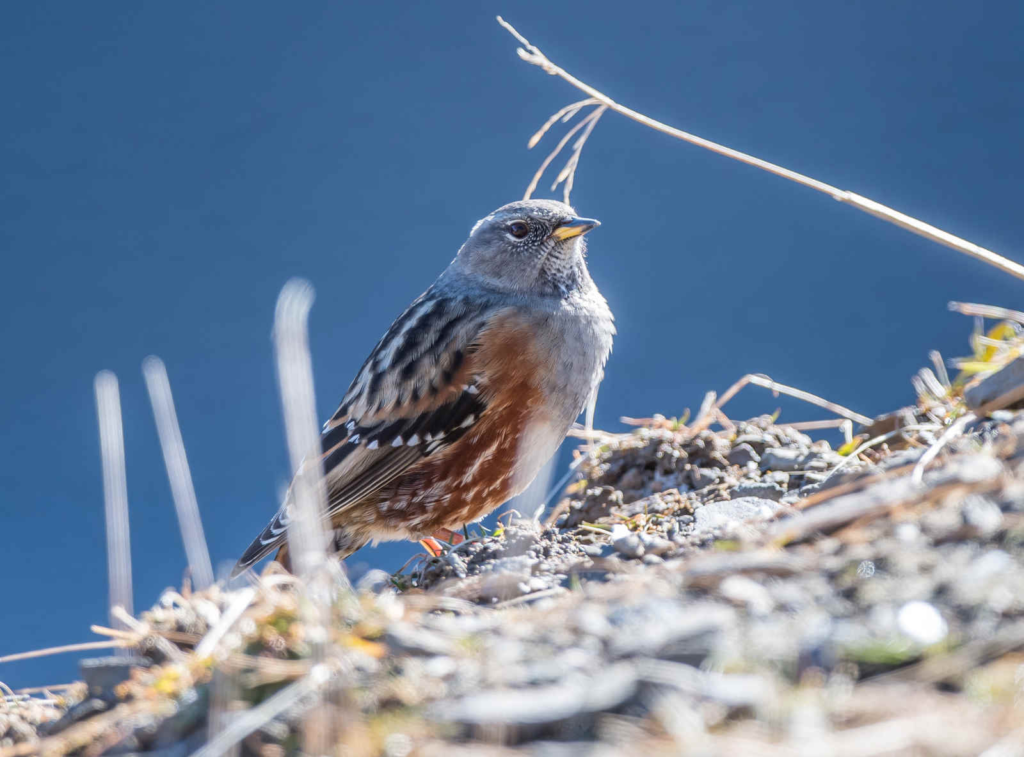
Accentors live mostly on high mountains and ridges. They’re quiet, small and not easy to see, but worth tracking down if you do not mind the cold and the lack of oxygen where they live. At least some of them already have a warning in their name about their high altitude preferences, such as the Alpine Accentor.
Montane Raptors
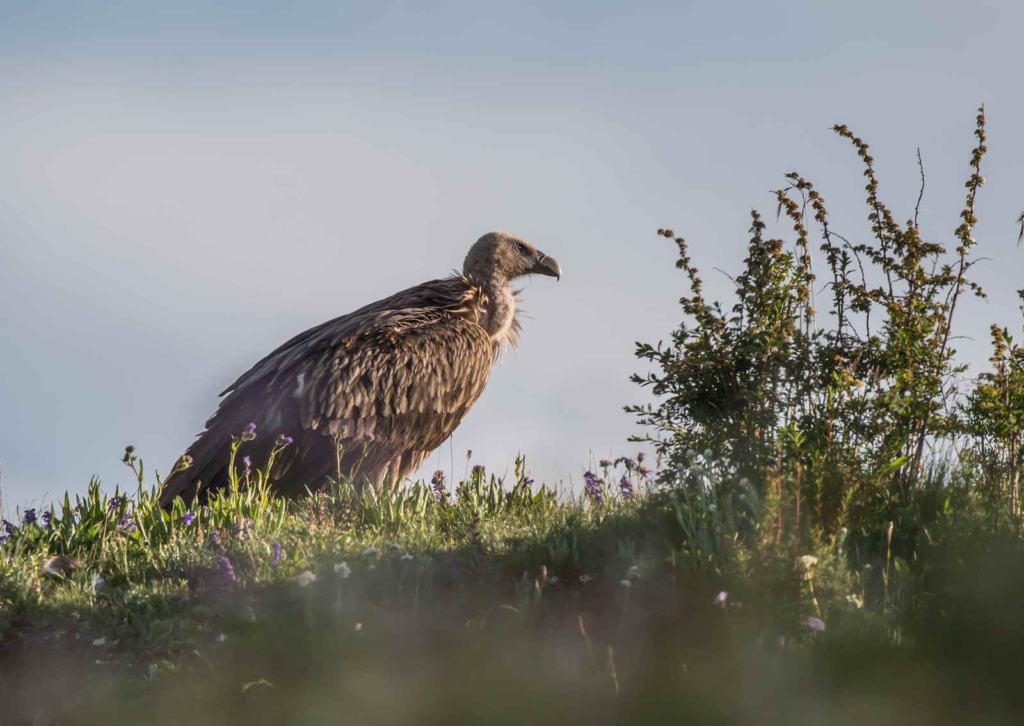
Montane Raptors fly over mountains and plateaus. China has a rich mix of resident and migratory raptors. Some species, like Himalayan Vultures, are easier to see here than anywhere else.
Tesias
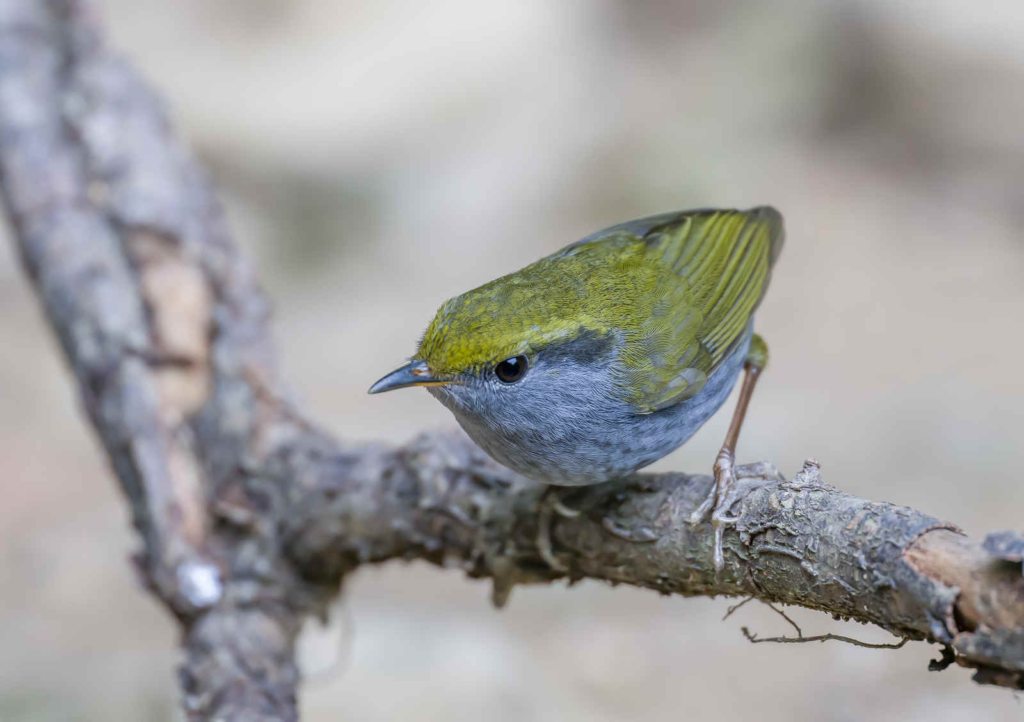
Tesias are tiny, secretive warblers in bamboo forests, mostly in southwest China – Yunnan in particular. They’re hard to find and even harder to photograph as they usually only stay in one place for about 0.5 seconds, so if I liked challenges as a bird photographer, I would surely love them. Just getting a photo of, say, a Grey-bellied Tesia is already an achievement.
Owls
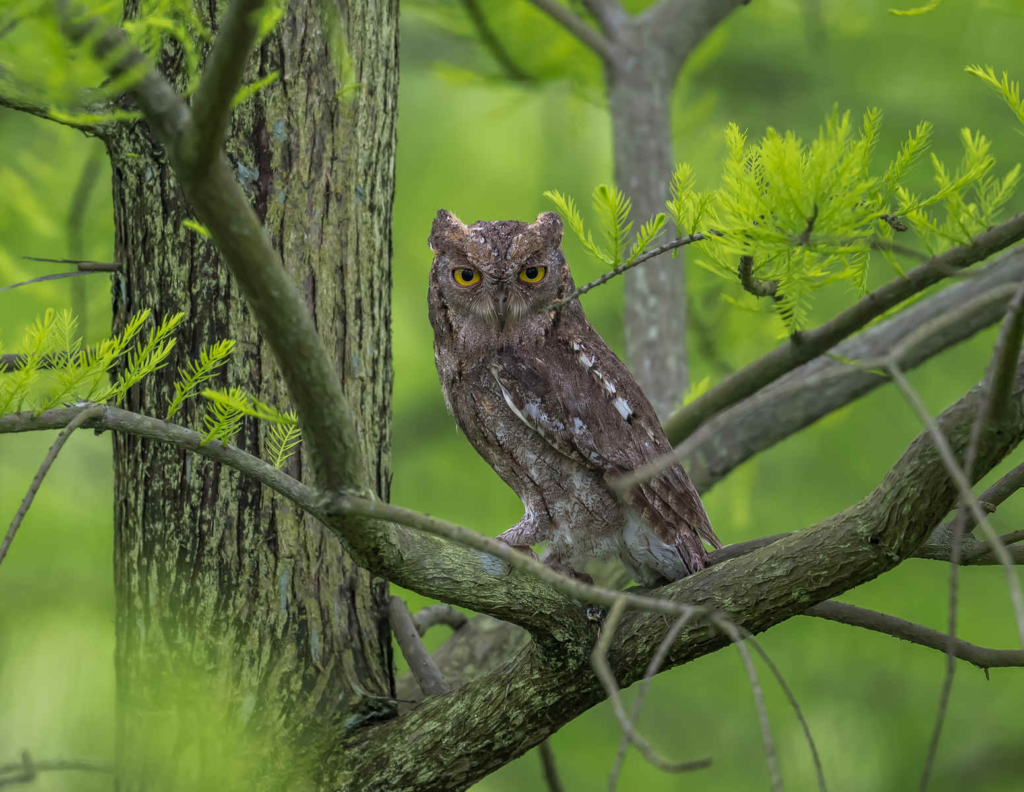
Owls are diverse here, from fish-owls to mountain specialists and widespread Palearctic species. And I know that I am cheating a bit here, as China is not quite as much a center for owls as it is for the other families mentioned in this post … But as a person living in an apartment that is mostly owned by cats, I naturally feel very close to these flying cats, and seeing an Oriental Scops Owl on one of my birding trips near Shanghai always makes my day.
So, that is what you might be able to see in terms of bird families when coming to China. On the one hand, it has become easier to see some of these birds, as some local economies now cater to (mostly) Chinese birdwatchers and bird photographers, particularly in Yunnan but also in Guangxi. On the other hand, the relentless development in places like my hometown of Shanghai makes seeing birds harder all the time. I know, not the kind of chirpy upbeat ending you expect from a blogpost. My apologies.