Mexico isn’t just famous for its ancient ruins and pristine beaches like Cancun or Baja. It’s also one of best destinations for birdwatching in the world. With over 1,100 documented bird species calling this diverse country home, Mexico offers an incredible variety of birds of Mexico that range from tiny and fast hummingbirds to massive raptors soaring over desert landscapes. The great kiskadee, a brightly colored and bold bird, is commonly found in woodlands, savannas, and urban areas across Mexico, making it a familiar sight for birdwatchers.
What makes Mexico so special for bird enthusiasts? It’s all about location and habitat diversity. This remarkable country spans from tropical coastal regions to semi-arid desert habitats, creating perfect conditions for an astounding variety of birds native to Mexico. From the lush cloud forests of Chiapas to the rugged mountains of the Sierra Madre, each ecosystem supports unique bird communities that have evolved over millions of years.

Birdwatching in Mexico… What to Expect?
With over 1,100 bird species documented across the country, Mexico ranks among the top five most bird-diverse nations globally. This incredible diversity stems from Mexico’s unique geography, which creates a natural bridge between North and South American bird populations.
The country’s positioning spans from tropical oceans on both the Pacific and Atlantic coasts to semi-arid habitats in the interior, supporting an remarkable range of birds of Mexico. These diverse ecosystems, from coastal mangroves to highland pine forests – create the perfect conditions for both resident species and millions of migratory birds that use Mexico as a crucial stopover point twice yearly.
What’s particularly exciting about birdwatching in Mexico is the country’s high level of endemism – species that exist only within Mexican borders. Mexico hosts over 100 endemic bird species, making every birding trip a potential adventure in discovery. Many birdwatchers also enjoy observing how certain species, such as jays or doves, are often seen foraging or perching in a small group, which adds another layer of interest to the birdwatching experience as they note unique species to their life lists.

The Magnificent World of Birds of Mexico
Mexico’s birds can be found thriving in virtually every habitat imaginable, from dense tropical forests to open grasslands, and from mountain peaks to the edges of tropical oceans. This habitat diversity directly translates to species diversity, creating a birdwatcher’s dream scenario where you might spot a dozen different species within a single morning.
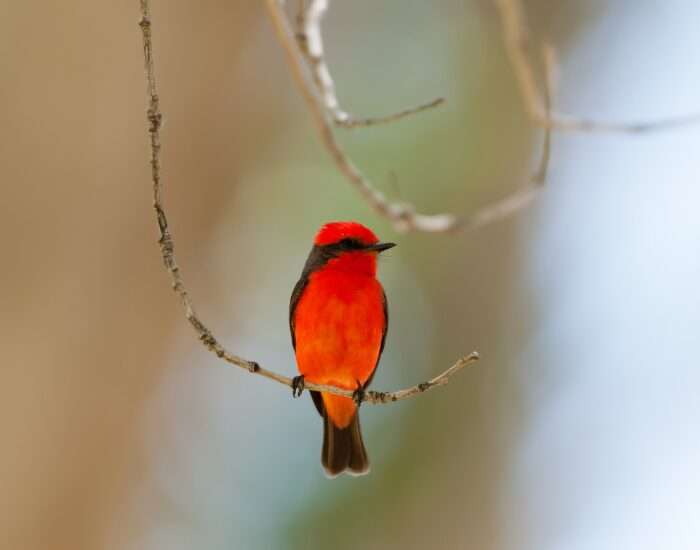
Some common birds of Mexico that visitors are likely to encounter include the charismatic Great-tailed Grackle, whose iridescent black plumage and loud calls make them impossible to miss in urban areas. The Broad-billed Hummingbird, with its brilliant blue and green coloration, frequents gardens and feeders throughout much of the country. The striking Vermilion Flycatcher, often called one of the most beautiful birds in North America, displays its bright red plumage prominently in open woodlands and desert areas.
According to the North American Bird Conservation Initiative, Mexico serves as a critical habitat for over 400 species that also occur in the United States and Canada, making Mexican bird conservation efforts essential for maintaining healthy populations across the entire continent.
Top 10 Stunning Birds of Mexico You Must See
After exploring Mexico’s incredible avian diversity, here are the ten most stunning birds of Mexico that should top every birdwatcher’s must-see list:
1. Resplendent Quetzal
Though rare in Mexico, this legendary bird with its brilliant green plumage and impossibly long tail feathers represents the pinnacle of tropical bird beauty. Found only in the cloud forests of Chiapas, spotting one requires dedication and luck.

2. Magnificent Hummingbird
Living up to its name, this large hummingbird displays deep purple and green iridescence that seems to glow in forest light. Males establish territories around reliable nectar sources in pine-oak forests.

3. Golden Eagle
Mexico’s national bird soars majestically over desert and mountain landscapes. These powerful raptors, with wingspans reaching seven feet, represent the pinnacle of aerial predation.

4. Thick-billed Parrot
Mexico’s only native parrot species displays brilliant green plumage with distinctive red forehead markings. These endangered birds exist only in small populations in mountain pine forests.

5. Vermilion Flycatcher
Often called one of North America’s most beautiful birds, males display brilliant red plumage that stands out dramatically against desert vegetation. Their courtship displays are spectacular aerial performances.
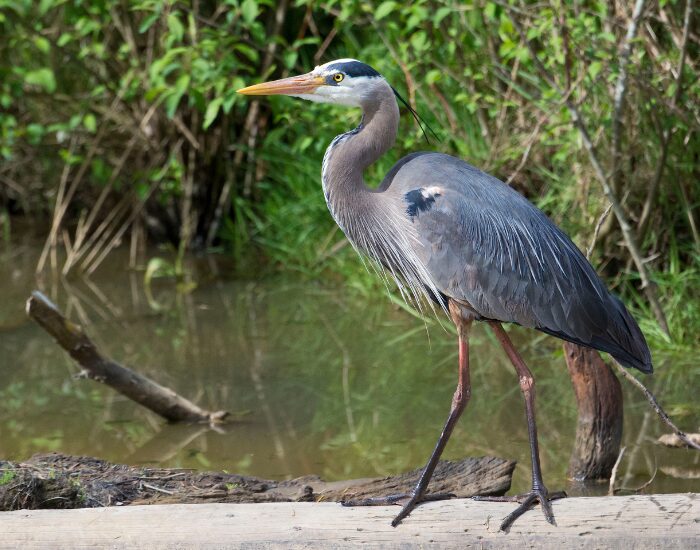
6. Great Blue Heron
These statuesque waders, standing over four feet tall, represent patience and grace as they hunt in wetlands throughout Mexico. Their prehistoric appearance and deliberate movements create unforgettable encounters.
In similar wetland habitats, you may also spot the Great Egret (Ardea alba), distinguished by its striking white plumage and comparable elegant stature.
7. Mexican Jay
These intelligent, social corvids display beautiful blue plumage and complex family behaviors. Their curious nature and loud calls make them prominent residents of mountain forests.

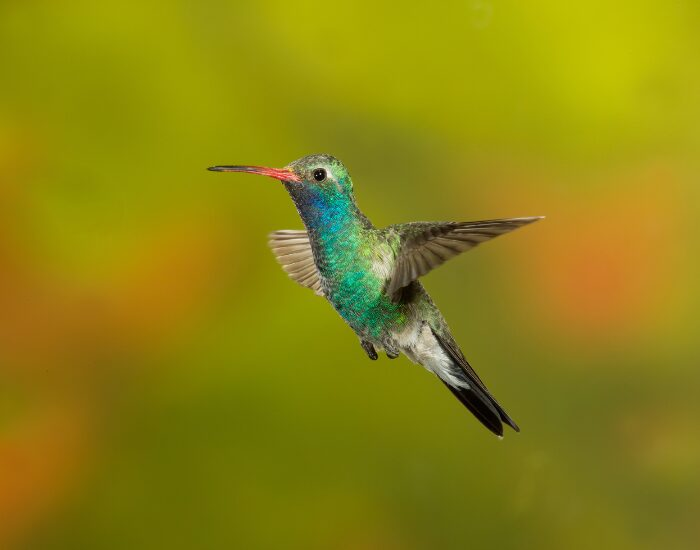
8. Broad-billed Hummingbird
Males display stunning blue-green bodies with bright red bills, creating jewel-like appearances as they hover at flowers. These common desert hummingbirds often provide visitors’ first hummingbird encounters.
9. White-throated Swift
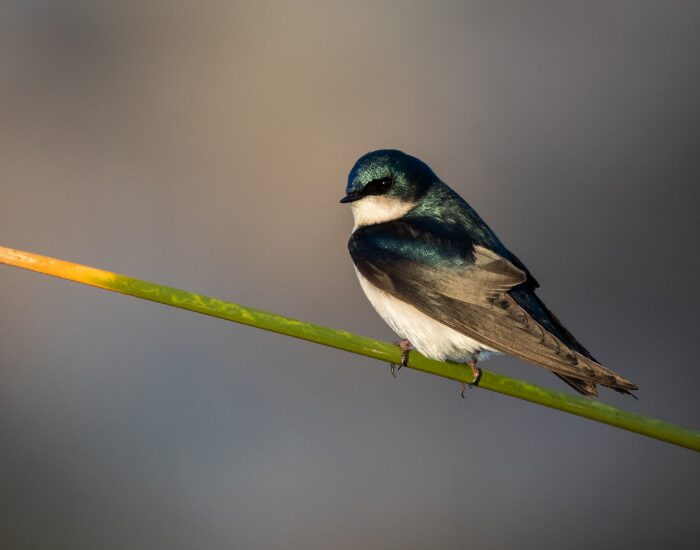
These aerial masters demonstrate incredible flying skills, reaching speeds over 200 mph during courtship dives. Their distinctive white throat patches and forked tails make them unmistakable in flight.
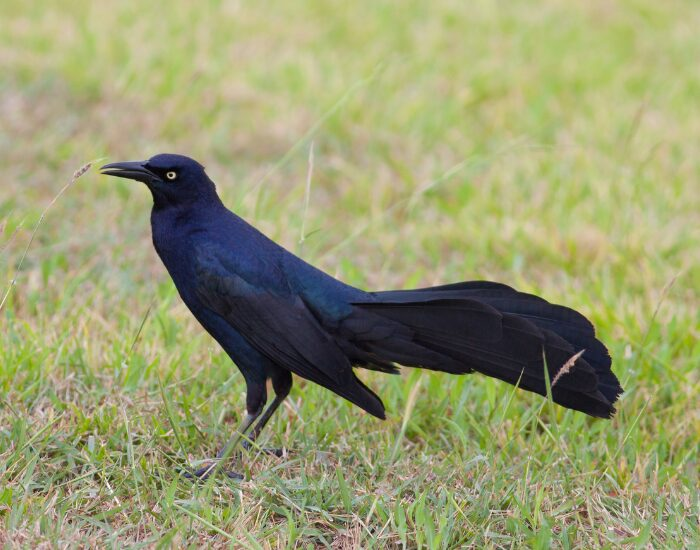
10. Great-tailed Grackle
While common, these adaptable birds display remarkable intelligence and iridescent black plumage that shimmers with purple and green highlights. Their varied vocalizations and social behaviors provide endless entertainment.
11. Blue-footed Booby
Famous for their vibrant turquoise feet and clumsy (and usually associated it with Galapagos, in Ecuador), the Blue-footed Boobies nest along Mexico’s Pacific coast, particularly in Baja California. Their striking coloration and bold behavior make them a must-see seabird.

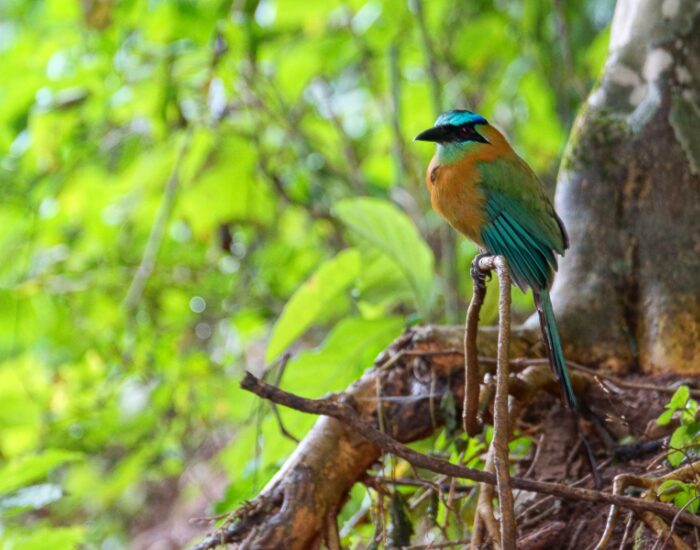
12. Blue-crowned Motmot
Easily identified by their racquet-tipped tails and electric blue crown, these tropical forest dwellers are often seen quietly perched in the Yucatan and southern Mexico. Their soft “whoop” calls echo through humid jungle canopies.
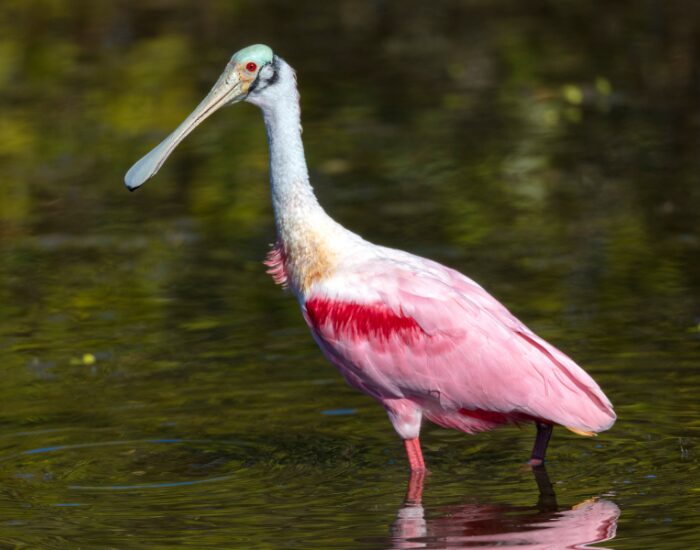
13. Roseate Spoonbill
A splash of flamingo-pink in mangrove swamps and estuaries, this wading bird uses its spoon-shaped bill to sift through shallow waters for food. Their vivid coloration and graceful form make them a highlight of coastal birding.
Planning Your Mexican Birding Adventure
Successfully observing Mexico’s stunning bird diversity requires careful planning and understanding of seasonal patterns, habitat preferences, and regional specialties. The best mexican birds identification experiences come from visiting multiple habitats during optimal seasons when bird activity peaks.
Timing proves crucial for Mexican birding success. The period from November through April generally provides the best conditions, with comfortable temperatures, minimal rainfall, and peak diversity as northern migrants join resident species. Spring migration (March-May) offers exceptional opportunities to observe migrant species in breeding plumage, while fall migration (August-November) provides the year’s greatest species diversity.
Regional specialization allows birders to target specific species or habitats. The Yucatan Peninsula offers excellent opportunities for tropical species and endemics like the Mexican Sheartail. Veracruz provides world-class raptor migration viewing, while Baja California hosts unique desert species and Pacific seabirds. The mountains of central and western Mexico support pine-oak forest communities with endemic species not found elsewhere.
Mexico’s National Bird and Cultural Significance
When discussing birds of Mexico, it’s impossible to ignore the deep cultural connections between Mexican people and their avian neighbors. Mexico’s national bird, the Golden Eagle (Aquila chrysaetos), holds profound significance in Mexican culture and appears prominently on the country’s flag and coat of arms, perched on a cactus while devouring a serpent.
This imagery stems from Aztec legend, which tells of their ancestors being guided to establish their capital city where they would see an eagle perched on a cactus. The site where they witnessed this sign became Tenochtitlan, now Mexico City. Today, Golden Eagles still soar over Mexican landscapes, though in much smaller numbers than historically, making each sighting a special event.
Beyond the national bird, Mexico’s rich indigenous cultures have long recognized the spiritual significance of various bird species. The Quetzal, though more commonly associated with Guatemala, holds sacred status throughout Mesoamerica as a symbol of freedom and wealth. The bird’s brilliant green and red plumage made its feathers more valuable than gold in pre-Columbian cultures.
Mexican bird gods feature prominently in ancient mythologies. Quetzalcoatl, the feathered serpent deity, combined bird and reptile characteristics to represent the connection between earth and sky. Huitzilopochtli, the Aztec god of war and the sun, was often depicted with hummingbird attributes, reflecting the fierce nature hidden within these tiny birds’ aggressive territorial behavior.
Endemic Species
Mexico’s geographic position and diverse topography have created perfect conditions for the evolution of endemic species – birds native to Mexico that exist nowhere else on Earth. With over 100 endemic bird species, Mexico ranks among the world’s top countries for avian endemism, making it a crucial destination for serious birders seeking to observe truly unique species.
The Thick-billed Parrot represents one of Mexico’s most charismatic endemics, though sadly it now exists only in small populations in the Sierra Madre Occidental. These large, green parrots once ranged into the southwestern United States but now face extinction due to habitat loss and illegal capture for the pet trade. Conservation efforts by organizations like Pronatura México are working to protect remaining populations and restore historic habitat.
Baja California hosts several endemic species that evolved in isolation on the peninsula. The Xantus’s Hummingbird, found only in Baja California Sur, shows how even relatively recent geographic separation can lead to speciation. These birds have adapted to the peninsula’s arid conditions and unique plant communities.
The level of endemism in Mexico reflects the country’s complex geological history and diverse climate zones. Mountain ranges have created isolated populations that evolved independently over thousands of years, while tropical and temperate zones support different evolutionary pressures that have shaped unique species adaptations.
Migration Patterns and Seasonal Visitors
Mexico’s position as a bridge between North and South America makes it one of the world’s most important bird migration corridors. Millions of birds of Mexico – both residents and visitors – participate in epic journeys that span continents, creating spectacular seasonal displays that attract birdwatchers from around the globe.
The spring migration period, typically peaking from March through May, brings waves of colorful warblers, vireos, and flycatchers returning north from Central and South American wintering grounds. Many of these species pause in Mexico to rest and refuel, creating incredible diversity in locations like Veracruz, where the famous “river of raptors” sees hundreds of thousands of hawks, eagles, and vultures funneling through on thermals rising from the coastal plains. Great kiskadees are also commonly observed in a variety of habitats during migration seasons, easily recognized by their bold calls and striking plumage.
Fall migration, occurring from August through November, often provides even more spectacular viewing opportunities as adult birds are joined by inexperienced youngsters on their first southward journey. This period sees the greatest diversity of species as birds spread out across broader areas compared to the more concentrated spring migration routes.
Waterbird migrations create some of Mexico’s most impressive wildlife spectacles. The Pacific Coast flyway brings millions of shorebirds, waterfowl, and seabirds along Mexico’s western shores, while the Central flyway channels birds through interior Mexico toward Central and South America.
Embracing Mexico’s Bird Paradise
Mexico truly stands as a haven for bird enthusiasts, offering an unparalleled combination of diversity, beauty, and accessibility that creates unforgettable experiences for observers at every skill level. From the tiniest hummingbirds hovering at mountain flowers to massive eagles soaring over desert landscapes, the country’s birds of Mexico represent some of the planet’s most spectacular examples of evolutionary adaptation and natural beauty.
The diverse habitats spanning from tropical coastlines to semi-arid mountains support over 1,100 bird species, including more than 100 endemics that exist nowhere else on Earth. This incredible range ensures that every birding expedition in Mexico offers the potential for new discoveries, whether spotting a rare endemic species or observing familiar birds displaying behaviors unique to Mexican populations.
The cultural significance of birds native to Mexico adds depth to the birding experience that extends far beyond simple species lists. Understanding the connections between Mexican people and their avian neighbors – from the Golden Eagle on the national flag to the spiritual significance of various species in indigenous cultures – enriches every encounter with Mexico’s feathered residents.