Meet the Aardvarks
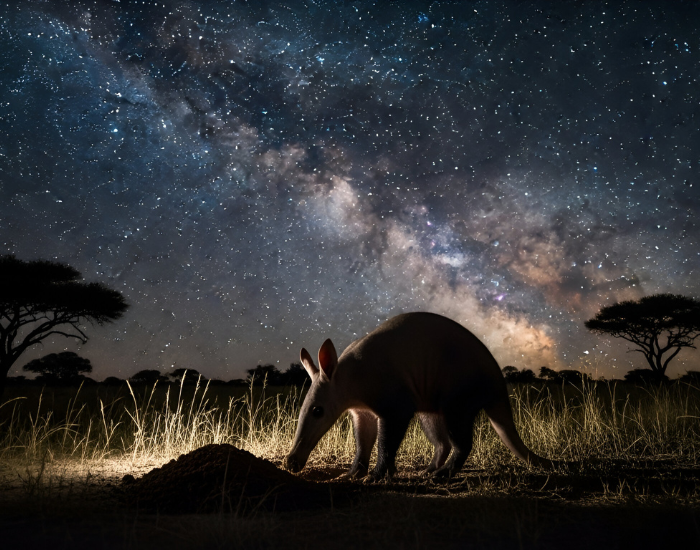
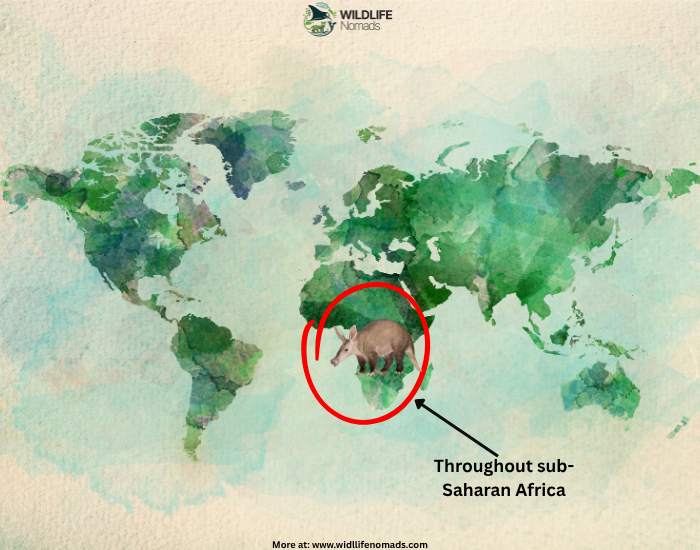
Aardvarks, often called earth pigs, are among the most intriguing nocturnal animals roaming the African continent. These solitary animals are masters of the night, emerging from their burrows only after sunset to begin their search for food. Found throughout sub-Saharan Africa, aardvarks are perfectly adapted to a life spent digging and foraging in a variety of habitats, from open savannas to grassy woodlands.
What sets aardvarks apart are their remarkable physical characteristics. With long ears that swivel to catch the faintest sounds, powerful hind legs built for digging, and a sticky tongue that can reach deep into insect nests, they are uniquely equipped for their underground lifestyle. Their burrowing habits not only provide them with shelter but also help them avoid the harsh daytime heat and many predators.
Aardvarks tend to live alone, only seeking out company during the breeding season. Their diet is highly specialized, these animals rely almost exclusively on ants and termites, which they extract from nests and mounds using their specialized tongue. This combination of solitary behavior, nocturnal habits, and specialized feeding makes the aardvark one of Africa’s most fascinating and elusive mammals.
1. Aardvarks Are Evolutionary Loners
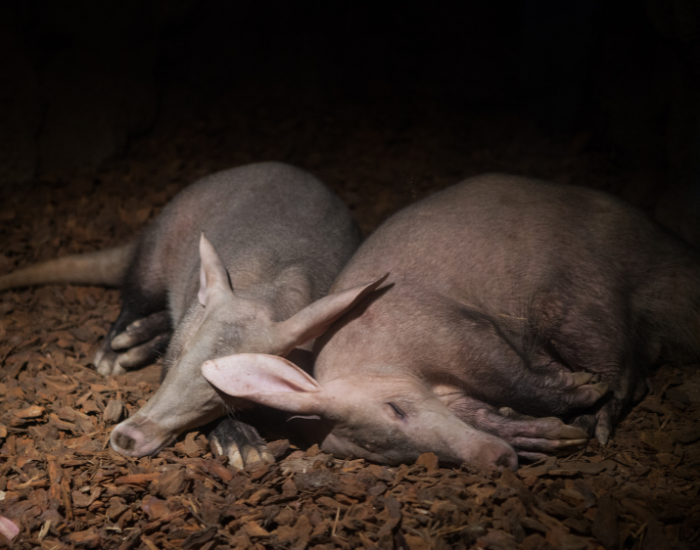
Aardvarks belong to their own unique order called Tubulidentata. The aardvark, Orycteropus afer, is the only extant member of this order. Therefore, this remarkable species has no close living relatives in the animal kingdom.
Their closest living relatives include golden moles, elephant shrews, and manatees. However, even these animals are distant cousins. All belong to the group called afrotherian mammals, which evolved separately on the African continent.
Scientific Classification:
- Scientific name: Orycteropus afer
- Order: Tubulidentata (only one surviving species)
- Family: Completely unique in nature

Unlike most mammals, aardvarks have no close relatives for comparison. The aardvark’s unique teeth structure, with its specialized tubules, and the aardvark’s tube-like skull are distinctive anatomical features that set it apart completely. Phylogenetic studies show that aardvarks and anteaters share few common ancestors. This illustrates their evolutionary divergence and unique lineage within mammals.
Fossil evidence shows their ancestors once roamed Europe millions of years ago. Today, however, they exist only on the African continent south of the Sahara Desert.
2. The Name “Aardvark” Means “Earth Pig”
The name aardvark comes from Afrikaans, meaning “earth pig.” However, these animals aren’t related to small pigs at all. People also call them the African ant bear, though they’re not bears either.
This nickname reflects their pig-like snout and exceptional burrowing abilities. In fact, aardvarks are about the size of small pigs. This similarity helps explain their pig-like appearance and impressive digging habits. Additionally, their earth pig reputation comes from spending most time underground in complex and intricate burrows.
Interestingly, early European settlers coined this term. The name perfectly captures their earth-dwelling lifestyle and physical appearance. Therefore, the name aardvark has stuck for centuries, becoming widely recognized worldwide.

3. Aardvarks Live Throughout Sub-Saharan Africa
Aardvarks are typically found in regions south of the Sahara Desert. They thrive throughout sub-Saharan Africa’s diverse landscapes, including grasslands, savannas, and open woodlands. These environments provide ideal soil conditions for digging burrows and finding food.
Aardvarks are well-adapted to arid environments such as the Karoo in South Africa. Their specialized feeding and burrowing behaviors help them survive in dry, desert-like regions. However, compact soil areas rarely support aardvark populations because digging becomes too difficult.
Aardvarks avoid certain habitats completely:
Dense rainforests provide too much moisture for stable burrows. Rocky terrain makes digging impossible with their sharp claws. The Sahara Desert and similar regions offer limited food sources, primarily ants and termites.
Importantly, soil type determines aardvark distribution patterns across the African continent. Soft earth allows them to create intricate burrows easily. Therefore, aardvark habitats must offer both suitable soil and abundant insect populations.
4. They Have Unique Physical Characteristics
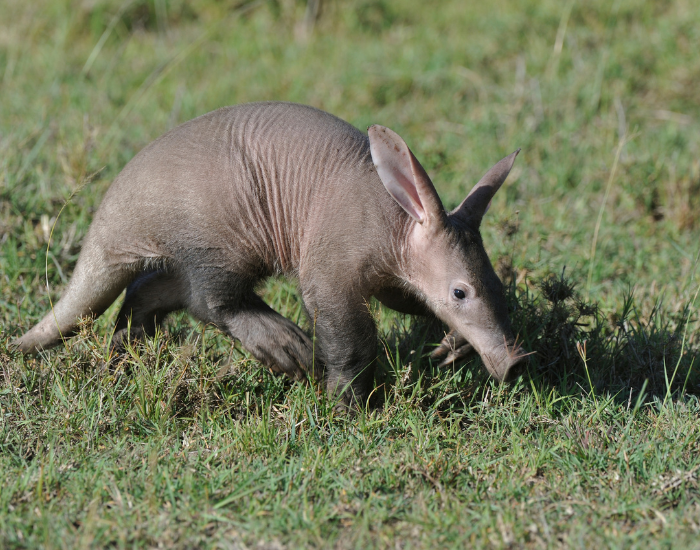
At first glance, aardvarks resemble a combination of different animals. Their long nose, often compared to a pig’s snout, houses an exceptional keen sense of smell. Additionally, their long ears provide excellent hearing capabilities, compensating for poor vision. All of these characteristics create a perfect creatures adapted to survive.
Key Physical Characteristics:
- Size: 40-65 kg (90-145 lbs)
- Length: 1-1.3 meters plus thick tail
- Coat: Sparse, coarse hair covering very thick skin
- Vision: Poor vision compensated by keen sense of smell and hearing
- Tongue: Sticky tongue reaching 30 cm long; aardvarks are known for their sticky tongues, which are specially adapted for efficiently catching ants and termites.
Their spade-like sharp claws, especially on the hind feet, make them expert diggers. Meanwhile, their hind legs are specially adapted for excavation. These powerful limbs anchor them during burrowing activities, allowing them to dig quickly when threatened.
Their small mouths lack incisors or canines entirely. Instead, aardvarks possess unique peg-like teeth that grow continuously throughout their lives. Notably, their very thick skin protects against insect bites during feeding sessions. This tough hide acts as natural armor against angry termites and soldier ants.

5. Aardvarks Eat Ants and Termites Exclusively
Aardvarks are nocturnal specialists that eat ants and eats termites exclusively. These myrmecophages consume tens of thousands of insects nightly, making them highly effective natural predators of insect populations. Their feeding habits make them natural pest controllers across sub-Saharan Africa.
Foraging Process:
First, aardvarks locate termite mounds and ant nests using their keen sense of smell. Their olfactory abilities can detect insect colonies from significant distances. A termite mound is a significant food source for an aardvark, as its size and structure allow the animal to access and consume large numbers of termites inside. Next, they dig into termite nests with sharp claws to access their prey. Then, their long, sticky tongue captures insects efficiently, sweeping through galleries and tunnels.
Aardvarks dig into insect mounds to access their prey quickly and effectively. They rely on powerful claws and specialized feeding adaptations perfected over millions of years. Interestingly, aardvarks avoid most other insects completely. They ignore beetles, grasshoppers, and similar prey entirely.
6. They Create Complex and Intricate Burrows
Aardvarks create some of nature’s most complex and intricate burrows. These underground networks serve multiple purposes throughout their lives, providing safety, shelter, and temperature regulation.
Types of Burrows:
Main Burrows: These permanent homes feature eight or more entrances for safety and ventilation. They extend several meters underground, typically reaching depths of up to 6 meters (19 feet). Multiple chambers provide safety from natural predators and comfort during hot days.
Temporary Holes: Aardvarks dig these quickly during foraging expeditions. They offer immediate shelter when predators like lions, leopards, or hyenas threaten. These escape burrows can be excavated in just minutes.
Remarkably, many animals benefit from aardvark engineering. Old burrows become valuable homes for warthogs, African wild dogs, pythons, and smaller animals. Furthermore, constant digging by hind feet improves soil aeration significantly. This burrowing behavior enhances nutrient cycling and water infiltration.

7. Aardvarks Are Keystone Species
Aardvarks function as crucial keystone species in African ecosystems. Their presence benefits numerous other animals and different habitats directly, making them ecological engineers of remarkable importance.
Ecosystem Benefits:
Abandoned Burrows: These structures provide homes for smaller animals including jackals, porcupines, and reptiles. Other species depend on these ready-made shelters for survival.
Soil Improvement: Constant digging enhances soil aeration naturally. This process promotes healthier plant growth patterns and improves ecosystem productivity.
Insect Control: Aardvarks eat ants and termites in massive quantities. They prevent ecological imbalances by controlling insect populations that might otherwise damage vegetation.
Without aardvarks, African ecosystems would lose vital engineering services. Therefore, their conservation status directly affects entire ecological communities. Protecting aardvark habitats ensures the survival of countless other species that depend on their burrows. While aardvarks are not currently classified as endangered species, it remains important to focus conservation efforts on vulnerable and endangered species to maintain biodiversity and ecosystem health.

8. They Live Solitary Lives
Aardvarks lead primarily solitary animals lives throughout most of the year. They come together only during breeding season, when males travel across their home range seeking receptive female aardvarks.
Reproductive Facts:
- Breeding system: Polygynous mating structure
- Gestation period: Approximately 7 months
- Offspring: Female aardvarks give birth to one baby annually
- Birth weight: Young aardvarks weigh about 1.7 kg
Young remain underground in their mother’s burrow initially for protection. Female aardvarks tend to their young by keeping them safe and well-fed. Young aardvarks venture out only after several weeks, staying close to the burrow entrance.
Aardvarks become sexually mature at around 2 years old. In the wild, aardvarks live approximately 18 years on average. However, captive animals may reach over 20 years with proper care.
9. Aardvarks Are Strictly Nocturnal Animals
Aardvarks avoid daytime heat by sleeping deep in their burrows. Their nocturnal habits reduce encounters with natural predators significantly, as most dangerous threats hunt during daylight. They emerge after sunset to begin their nightly foraging routine.
Before foraging, aardvarks leave their burrows in a ritualistic manner. They perform a series of specific movements and behaviors that help ensure their safety. Then, these animals move in distinctive zigzag fashion while hunting for food.
This pattern maximizes their chances of finding termite nests and ant colonies. Their excellent keen sense of smell guides their movements perfectly through the darkness. Additionally, their long ears detect any approaching danger from natural predators.
Their nocturnal lifestyle helps them avoid the hottest parts of the day. This energy-saving adaptation proves crucial in Africa’s harsh climates. Therefore, aardvarks rarely found during daylight hours, contributing to their mysterious reputation.

10. The Secret Life of Aardvark Home Range
Aardvarks live in some of the most complex and intricate burrows found in the animal kingdom. These underground homes, often with eight or more entrances, can stretch up to 19 feet (6 meters) below the surface. In the wilds of sub-Saharan Africa, aardvarks carve out their home range across grasslands, savannas, and woodlands.
Each aardvark’s home range typically covers between 1 and 3 square miles. However, they maintain a core area where they spend most of their time foraging and resting. Although aardvarks are solitary animals by nature, their ranges can overlap with those of other aardvarks. This overlap occurs especially in areas rich with ant and termite colonies.
These animals spend daylight hours deep within their intricate burrows. They emerge after sundown to hunt for ants and termites using their keen sense of smell. Their underground labyrinths not only provide safety from natural predators but also regulate temperature and humidity effectively.

11. Aardvarks Face Multiple Natural Predators
Despite their secretive lifestyle, aardvarks face numerous natural predators in the African wild. Lions, leopards, and hyenas are among the top threats to adult aardvarks. These predators often target aardvarks when they venture above ground during nocturnal foraging.
Other animals, such as cheetahs and African wild dogs, may also prey on aardvarks. Young aardvarks are especially vulnerable when caught away from their burrows. Therefore, proximity to escape tunnels remains critical for survival.
When danger strikes, aardvarks rely on their impressive digging skills to escape quickly. They can disappear underground in just minutes using their powerful hind feet and sharp claws. If escape isn’t possible, they stand upright on their hind legs and thick tail for stability.
In this defensive position, aardvarks use their powerful front claws to defend themselves. Sometimes, they’ll even roll onto their backs to fight off attackers with all four feet. However, humans remain the most significant threat to aardvark populations worldwide.

12. Their Conservation Status Is “Least Concern”
The IUCN Red List currently classifies aardvarks as Least Concern globally. However, this conservation status masks significant regional population declines across sub-Saharan Africa. Therefore, monitoring efforts remain important for long-term survival.
Primary Threats:
Habitat loss from agricultural expansion reduces available territory dramatically. As human populations grow, aardvark habitats shrink correspondingly. Road mortality in developed areas kills many animals during nocturnal movements.
Additionally, hunting pressure in some regions threatens local populations. Some communities hunt aardvarks for bushmeat despite their ecological importance. Climate change may also affect insect populations, indirectly impacting aardvark food sources.
Conservation Efforts:
Protected areas across sub-Saharan Africa safeguard critical aardvark habitats. National parks provide essential breeding grounds and safe corridors for movement. Educational programs highlight their ecological importance as keystone species.
Sustainable land use practices help preserve their territories effectively. Community engagement proves crucial for long-term protection of aardvark populations. Therefore, local support makes conservation efforts more successful and sustainable.

13. Aardvarks Are Not Related to Anteaters
Despite eating ants and termites, aardvarks aren’t related to South American anteaters. In fact, anteaters are native to South America, which highlights a clear geographical distinction between the two. This represents a perfect example of convergent evolution in action. Both species developed similar feeding strategies independently on different continents.
South America’s anteaters evolved their anteater like tongue and specialized diet separately. Meanwhile, aardvarks developed comparable adaptations in Africa. Therefore, their similarities reflect parallel evolution rather than common ancestors.
Similarly, pangolins belong to order Pholidota, while aardvarks belong to Tubulidentata. These earth pig animals evolved their ant-eating abilities completely separately from each other. This evolutionary independence makes aardvarks even more remarkable creatures.
They developed their specialized lifestyle without any close living relatives as examples. Therefore, aardvarks represent a unique evolutionary experiment that succeeded brilliantly. Their survival demonstrates the power of adaptation in filling ecological niches.

Habitat Loss and Fragmentation: A Growing Threat
While aardvarks are currently listed as a species of Least Concern, their future is increasingly threatened by habitat loss and fragmentation across sub-Saharan Africa. As human populations expand, more land is converted for agriculture, settlements, and infrastructure, shrinking the natural aardvark habitats that these animals depend on.
This loss of territory doesn’t just affect aardvarks—it has a ripple effect on countless other animals that rely on abandoned aardvark burrows for shelter. When aardvark home ranges are broken up by roads, farms, or fences, it becomes harder for them to find food, mate, and escape from predators like lions and hyenas. Fragmented habitats also make it more difficult for young aardvarks to disperse and establish their own burrows, threatening the long-term survival of local populations.
Climate change adds another layer of risk, as shifting weather patterns can reduce the availability of ants and termites, the primary food source for aardvarks. As insect populations fluctuate, aardvarks may be forced to travel farther and expend more energy to find enough to eat, increasing their vulnerability to natural predators and other threats.
Conservationists are working to address these challenges by protecting key aardvark habitats, promoting sustainable land use, and raising awareness about the importance of this keystone species. Preserving the intricate burrows and home ranges of aardvarks is essential not only for their survival but for the health of entire ecosystems across the African continent.
FAQs About Aardvarks
People often call them the African ant bear or earth pig. These names reflect their appearance and diet of ants and termites.
No, aardvarks are wild animals that require specialized care and vast territories. They’re unsuitable for domestic life and protected in many regions.
Population numbers remain unknown due to their elusive nocturnal nature. However, they’re classified as Least Concern by the IUCN Red List currently.
Yes, aardvarks can swim if necessary but prefer to stay on land. They’re primarily adapted for digging rather than aquatic movement.
No, they’re shy nocturnal creatures that avoid human contact completely. However, their sharp claws could cause injury if cornered.
Aardvarks occasionally consume the “aardvark cucumber,” an underground fruit. However, their insect diet comprises over 99% of their food intake.
Aardvarks live throughout sub-Saharan Africa, excluding dense rainforests and the Sahara Desert. They prefer grasslands, savannas, and open woodlands with suitable soil.
More Than Just an ‘Earth Pig
The aardvark may not be Africa’s most famous animal compared to lions or elephants. Nevertheless, it plays an indispensable role in sub-Saharan Africa’s ecosystems as a keystone species. Their burrowing habits and specialized insect diet make them ecological engineers of tremendous importance.
These remarkable earth pig creatures remind us that not all heroes are visible. Some work quietly underground, shaping entire ecosystems through their daily activities. By protecting aardvark habitats, we safeguard countless other species that depend on their burrows.
The aardvark represents more than just a unique animal with interesting physical characteristics. It symbolizes the interconnected nature of African wildlife and ecosystem health. Their conservation ensures the stability of entire ecological communities.
Through understanding these 13 fascinating aardvark facts, we better appreciate Africa’s incredible biodiversity. The humble aardvark truly deserves recognition as nature’s underground architect. Therefore, supporting conservation efforts helps preserve these remarkable animals for future generations.
Further Reading
- Top 10 Fascinating Animals in Africa
- National Parks in Kenya Africa
- African Safari Namibia
- Conservation Tourism: The Fight to Save South Africa’s Rhinos
Find an Experience to Spot Aardvarks!
This blog is reader-supported. When you buy experiences through links listed on this site, we may earn an affiliate commission.