
What Animal Are You?
Fifteen quick questions, nine wild animals, one result. Find out which one you have the most in common with.
Find your inner animal
Which animal are you, really?
Are you a loyal wolf, a clever octopus, a fearless honey badger or a thoroughly unbothered sloth? There are no right answers, only honest ones.
Your full animal mix
Which animal are you? Take the quiz and find out
This what animal are you quiz matches your personality to one of nine very different animals, from the loyal wolf to the fearless honey badger. Fifteen quick questions cover how you make decisions, how you rest and how you behave around other people. Answer honestly rather than aspirationally, and the result tends to land closer to home than you expect.
How the test works
Every answer quietly adds a point to one animal. At the end, each animal is scored by how often you chose it compared with how often it was offered, so no animal gets an unfair head start from appearing more often. Your result is the animal you chose most consistently, and the bar chart underneath shows your whole mix. Try it twice in different moods and you may well see your runner-up take the top spot.
Meet the nine animals
Each animal earned its place through behaviour that is well documented in the wild, not just a cute face. Tap any of them for the full story.
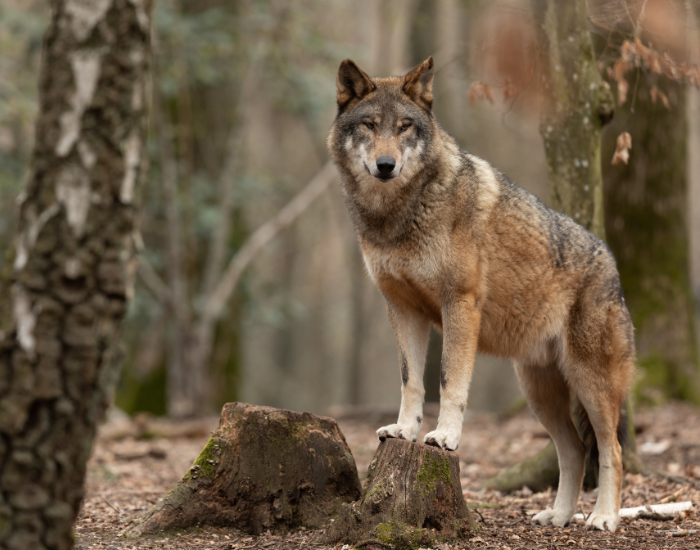 WolfLoyal and protective, a team player
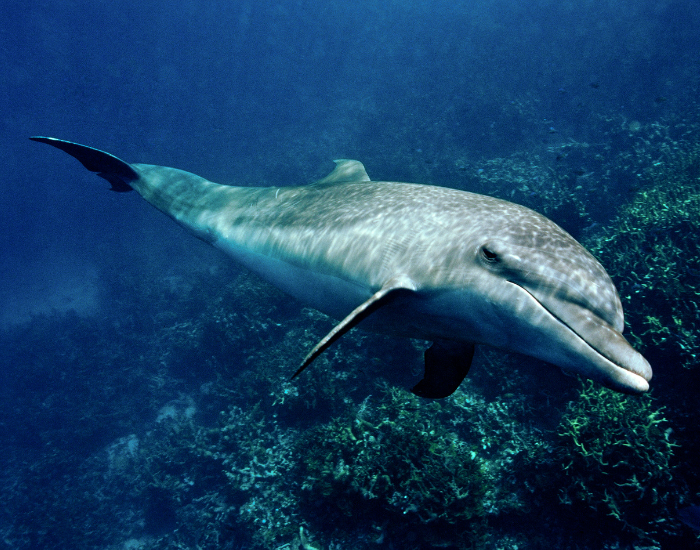 DolphinPlayful and social, the life of the group
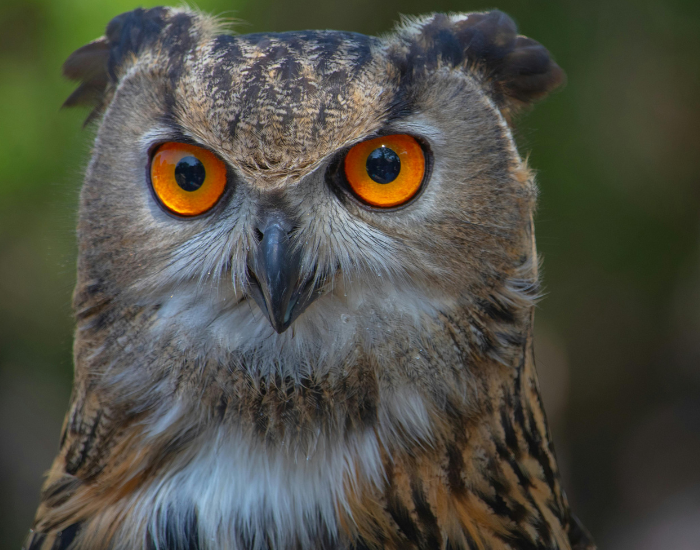 OwlWise and observant, a quiet problem-solver
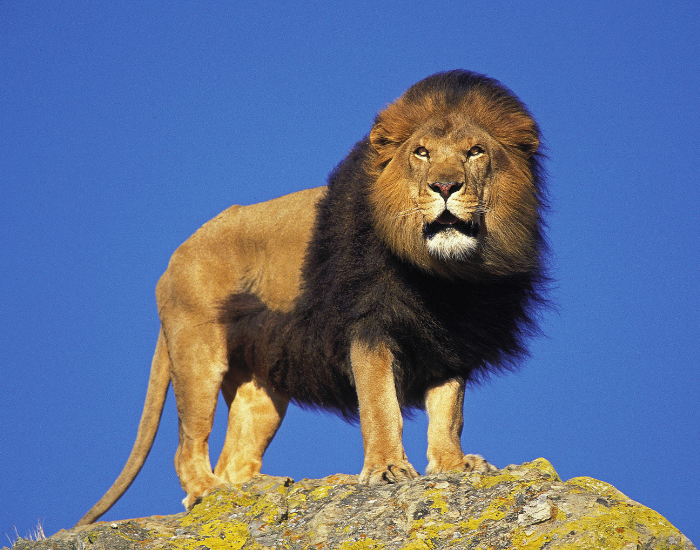 LionBold and confident, a natural leader
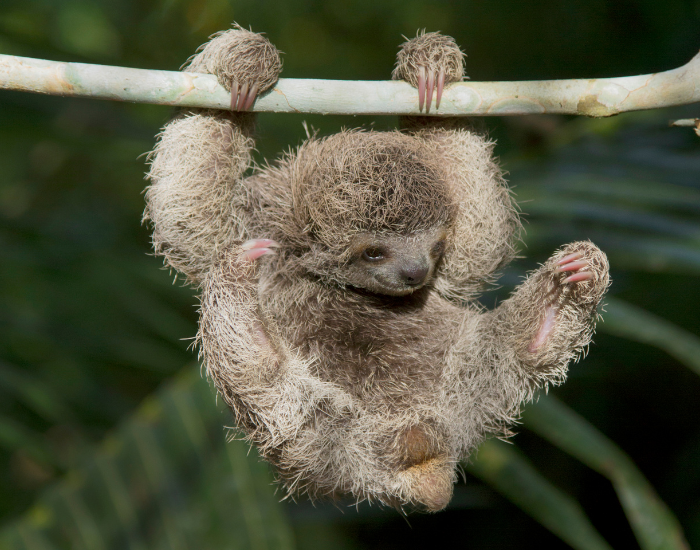 SlothCalm and unhurried, a master of rest
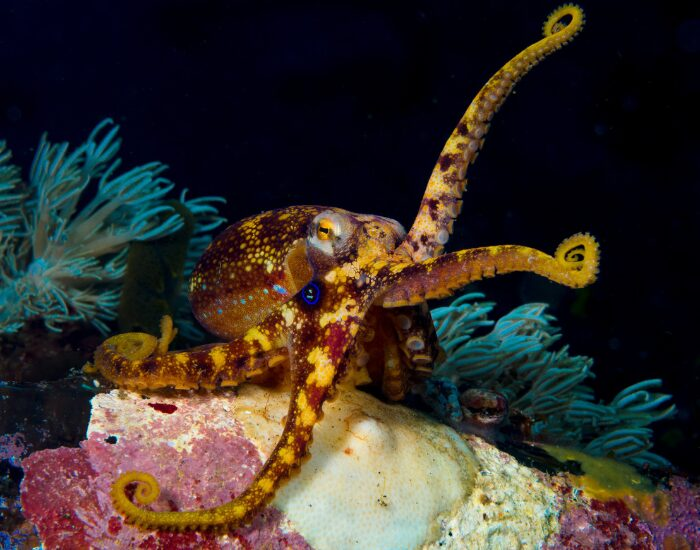 OctopusCurious and clever, an independent thinker
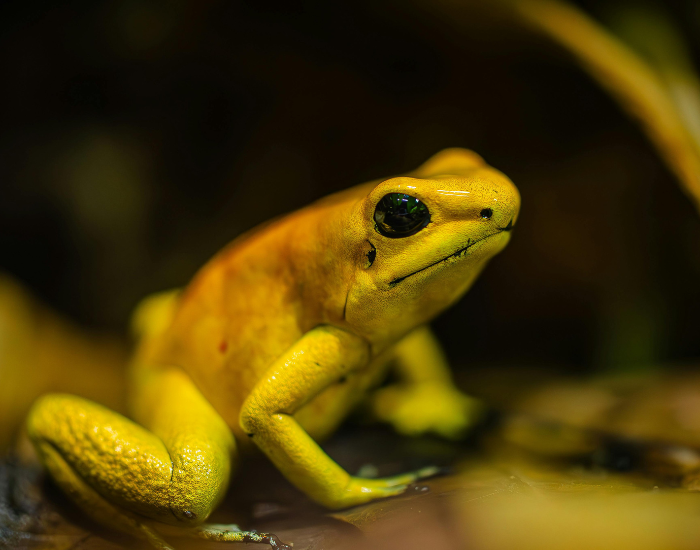 FrogBright and bold, impossible to ignore
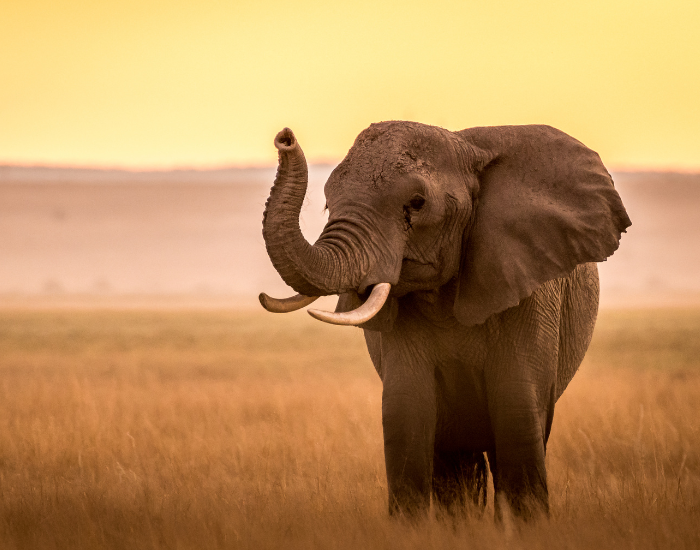 ElephantCaring and wise, family first
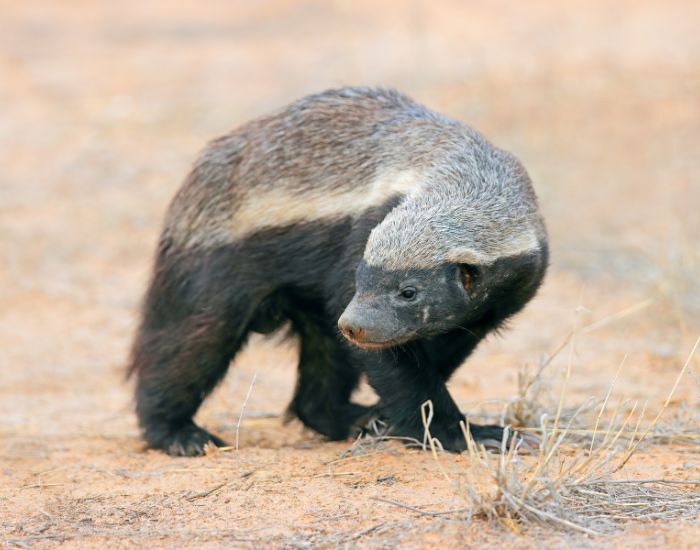 Honey badgerFearless and tough, completely unstoppable
Do animals really have personalities?
They do, and it is a serious field of research. Ethologists now measure consistent differences between individuals of the same species along a few core axes: how bold or shy they are, how readily they explore, how social they are and how aggressive they become. A bold fish stays bold from one week to the next, while its shy tankmate keeps hiding. Researchers call these stable differences animal personality or temperament.
I got a small taste of this at university in Sweden. For a behavioural ecology course, a few friends and I ran a short experiment on an open plain, timing how the presence of a predator changed how long birds kept foraging. That trade-off between eating and staying safe sits at the heart of the science. Two birds of the same species, in the same field, facing the same threat, do not always make the same call.
Why an animal quiz can feel so accurate. The traits scientists measure in animals are close cousins of the ones psychologists measure in people. Boldness, sociability and curiosity turn up across mammals, birds, fish and even octopuses, largely because the same pressures of survival shaped all of them.
Dolphins make a good example. Bottlenose dolphins develop an individual signature whistle and respond when they hear their own, which is about as close to calling each other by name as any animal gets. So when this quiz tags the dolphin as the social one, it is leaning on real behaviour rather than a stereotype.
Spirit animal or personality quiz?
People often call their result a spirit animal, but this is a personality quiz rather than anything mystical. It is about behaviour and character. Whether you call the owl your spirit animal or simply the animal that matches you best, the idea is the same: a playful way to learn a little about yourself and a lot about the animal you landed on.
Share your animal, then try another quiz
Half the fun is finding out who among your friends is a wolf, who is a frog and who is secretly a honey badger. Every shared link carries your result with it, so whoever opens it knows exactly what they are up against. When you are done, test yourself on Name That Dinosaur, the animal trivia challenge or the full animal games hub. For something to explore rather than answer, the interactive maps and tools are waiting.
References
Gosling, S. D. (2001). From mice to men: What can we learn about personality from animal research? Psychological Bulletin, 127(1), 45–86. https://doi.org/10.1037/0033-2909.127.1.45
Janik, V. M., Sayigh, L. S., & Wells, R. S. (2006). Signature whistle shape conveys identity information to bottlenose dolphins. Proceedings of the National Academy of Sciences, 103(21), 8293–8297. https://doi.org/10.1073/pnas.0509918103
Réale, D., Reader, S. M., Sol, D., McDougall, P. T., & Dingemanse, N. J. (2007). Integrating animal temperament within ecology and evolution. Biological Reviews, 82(2), 291–318. https://doi.org/10.1111/j.1469-185X.2007.00010.x



