Last time I wrote about the animals with the biggest brains in the world and animals with the longest lifespans. This time, I was curious about how long it takes for some animals to give birth and its implications for conservation.
In the animal world, gestation periods vary widely among species. Amphibians, particularly the alpine salamander species, are notable for their long gestation periods of two to three years. While some animals give birth within weeks, others carry their young for over a year. These extended pregnancies are often linked to the size, development, and survival strategies of the offspring. Let’s delve into the fascinating world of animal gestation and uncover the top 12 animals with the longest pregnancies.
What are Gestation Periods?
The gestation period, which is the time between conception and birth, varies significantly across the animal kingdom. While human mothers typically carry their babies for approximately 9 months, other animals have much longer or shorter gestation periods. For instance, the frilled shark has a gestation period of about 3.5 years, making it one of the longest in the animal kingdom.
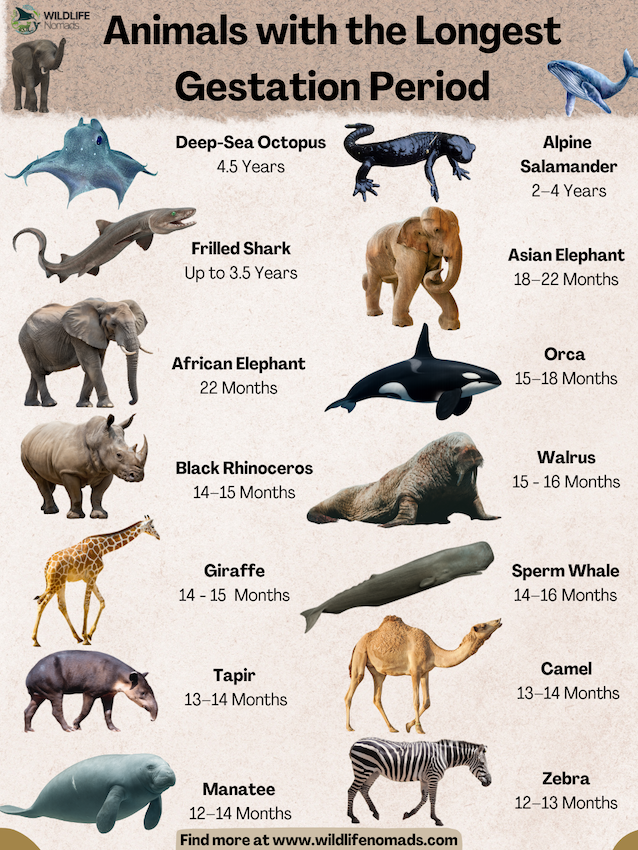
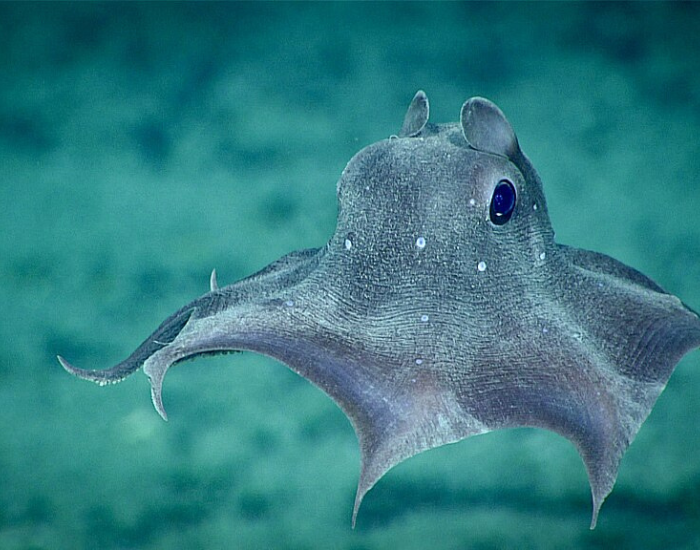
1. Deep-Sea Octopus – Up to 4.5 Years
The Deep-Sea Octopus holds the record for the longest known brooding period of any animal, meticulously guarding her eggs for an astonishing 4.5 years (54 months) in the cold, deep waters of the Pacific Ocean. During this time, the female does not leave her clutch to hunt or eat, relying solely on stored energy. This extremely prolonged brooding, rather than a true gestation, is an adaptation to the stable, near-freezing temperatures and scarce food resources of the abyssal plain, which significantly slow the metabolic rate and, consequently, the embryonic development of the young octopus .
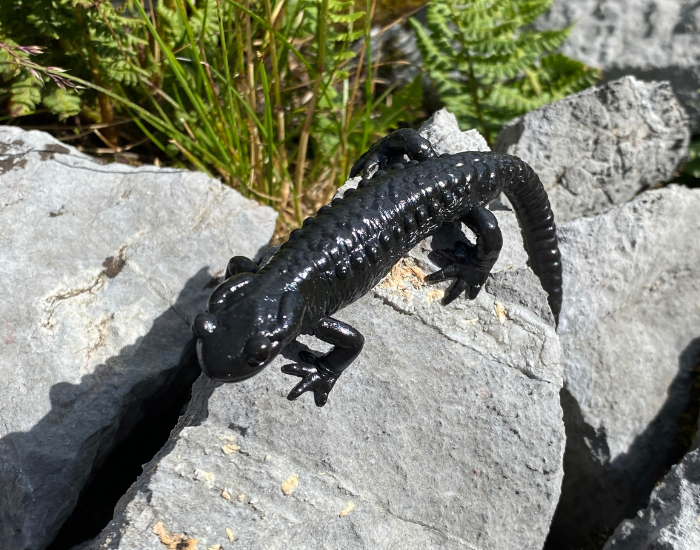
2. Alpine Salamander – Up to 4 Years
The Alpine Salamander exhibits the longest gestation period among salamanders, and amphibians in general, and one of the longest for any land animal, with pregnancies lasting between two and four years. This remarkable duration is a direct adaptation to the harsh, high-altitude environment of the European Alps. At lower elevations, gestation takes about two years, but in the cold, extreme conditions found above the tree line, development slows drastically, extending the period up to four years to ensure the offspring are fully developed before birth.
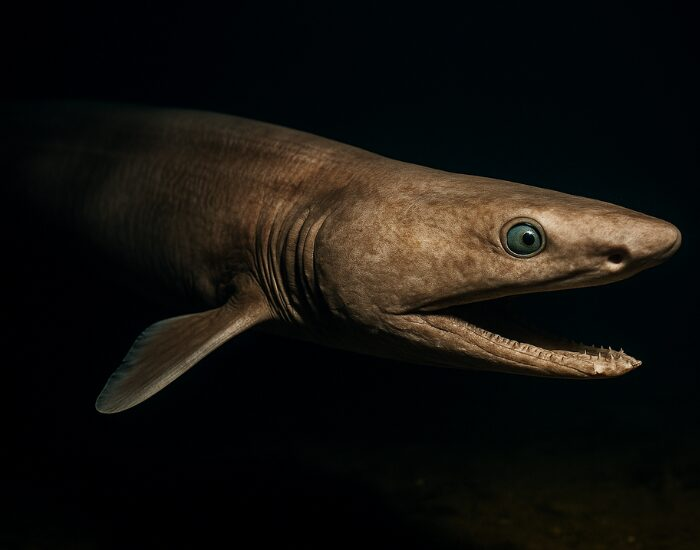
3. Frilled Shark – Up to 3.5 Years
The Frilled Shark, a primitive deep-sea shark species, has a gestation period estimated to be as long as 3.5 years (42 months), making it one of the longest known for any vertebrate. This viviparous shark maintains its embryos inside the mother’s body until they are fully developed and ready to survive in the deep ocean depths. Similar to other deep-sea creatures, the frigid, stable temperatures of its habitat contribute to an incredibly slow metabolism and, thus, a drastically extended period of internal embryonic development.
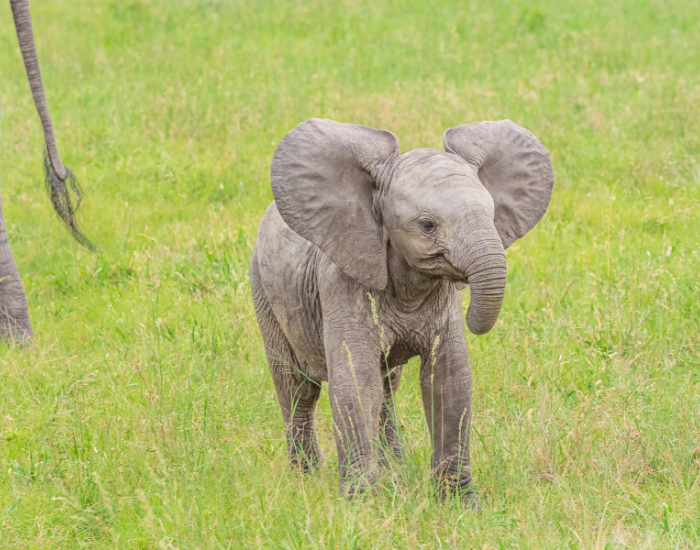
4. African Elephant – Up to 22 Months
The African elephant has already shown in various of ours lists, like one of the biggest animals in the world. But this elephant also holds the record for the longest gestation period among land mammals. Pregnancies can last up to 22 months. Scientists have been studying the evolutionary adaptations and metabolic rates related to long gestation periods, particularly in extreme environments. This extended period allows the embryo to develop fully, ensuring the calf can walk and keep up with the herd shortly after birth. The long gestation is also necessary for the development of the elephant’s large brain, which is crucial for survival in the wild.
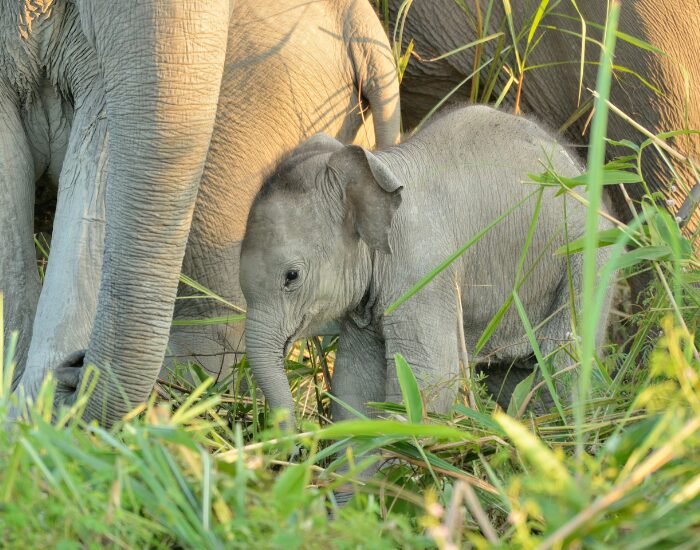
5. Asian Elephant – 18–22 Months
Similar to their African counterparts, Asian elephants have lengthy gestation periods ranging from 18 to 22 months. The extended pregnancy ensures that the calf is born with the necessary physical and cognitive abilities to thrive in its environment.
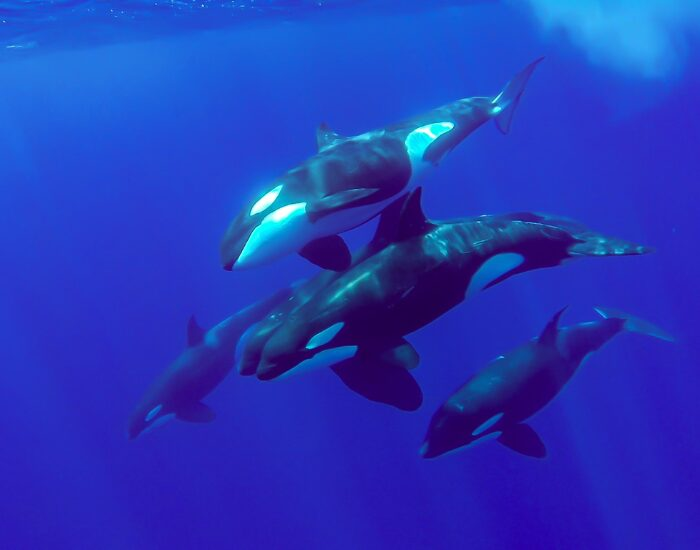
6. Orca (Killer Whale) – 15–18 Months
Orcas have gestation periods lasting between 15 and 18 months. The moment of birth is critical for orcas, as the calf must quickly adapt to its environment to swim alongside its mother. The extended pregnancy results in calves that are well-developed and capable of swimming alongside their mothers immediately after birth. The long gestation also supports the development of complex social behaviors observed in orca pods. However, extended gestation makes orcas vulnerable as it takes longer to reproduce.
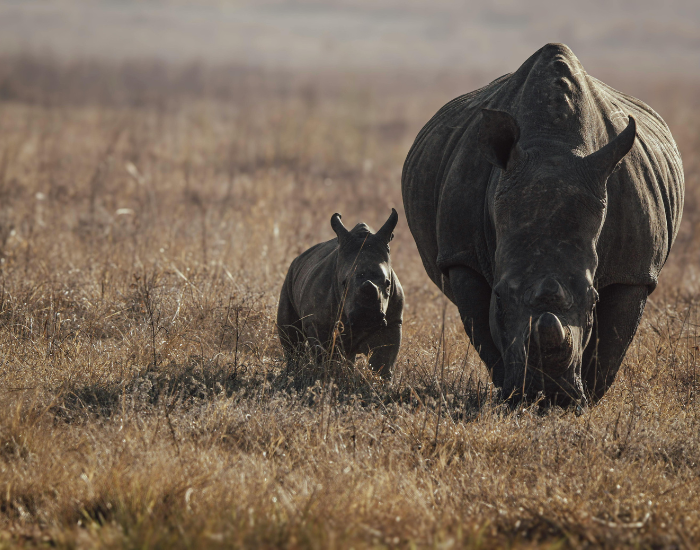
7. Black Rhinoceros – 15–16 Months
The black rhinoceros carries its young for approximately 15 to 16 months. This long gestation period results in a well-developed calf capable of standing and moving shortly after birth, which is vital for escaping predators. The mother rhinoceros shows great dedication and responsibility in carrying and caring for the calf during this extended pregnancy, which also contributes to the species’ low reproductive rate, making conservation efforts crucial. As other species, this long gestation periods makes rhinos prone to extinction.
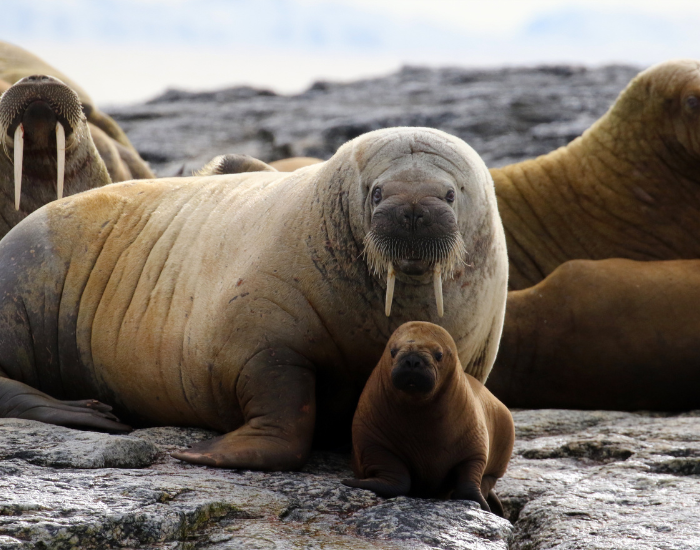
8. Walrus – 15–16 Months (Including Delayed Implantation)
Walruses have a gestation period of approximately 15 to 16 months, which includes a delayed implantation phase. After mating, the fertilized egg remains dormant for about four to five months before implanting in the uterus. This adaptation allows walruses to time their birthing optimally. It ensures calves are born when conditions favor survival. The majority of calves are born in May and June, when environmental conditions in the harsh Arctic are most favorable.
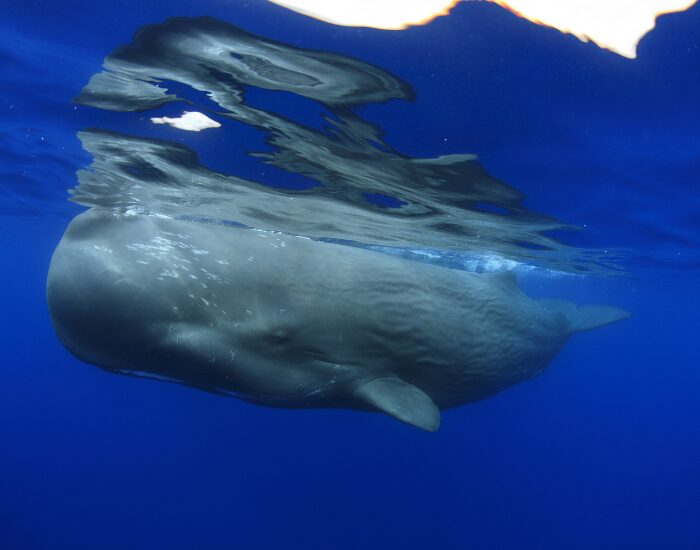
9. Sperm Whale – 14–16 Months
Among marine mammals, whales like the sperm whale (which also hold the title as the animal with the biggest brain in the world) have one of the longest gestation periods, lasting between 14 and 16 months. The prolonged pregnancy allows the baby calf to develop the necessary blubber and muscle mass to survive in cold ocean waters. Additionally, the extended gestation supports the development of complex social behaviors observed in sperm whale pods
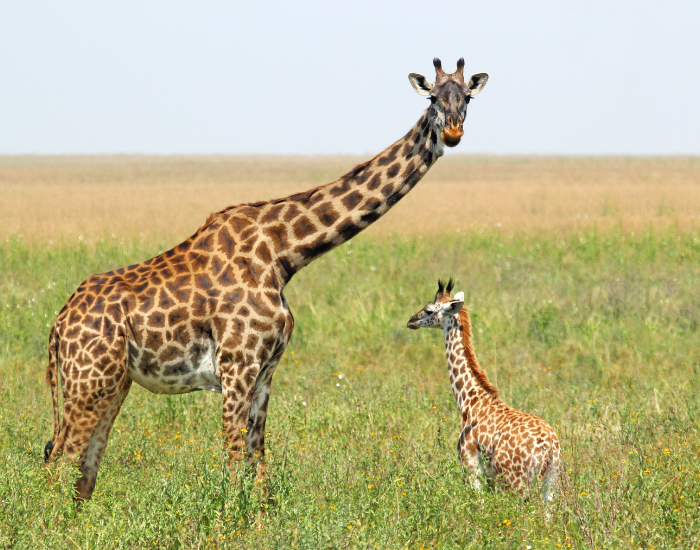
10. Giraffe – 14–15 Months
Giraffes have a gestation period of about 14 to 15 months. The lengthy pregnancy ensures that the calf is born well-developed, with long legs and a sufficiently developed neck to reach its mother’s milk and keep up with the herd. When a giraffe gives birth, the calf drops approximately 6 feet to the ground. This dramatic fall serves an important purpose, it helps stimulate the newborn’s first breath and ensures the calf is physically robust enough to survive in the wild from its first moments of life.
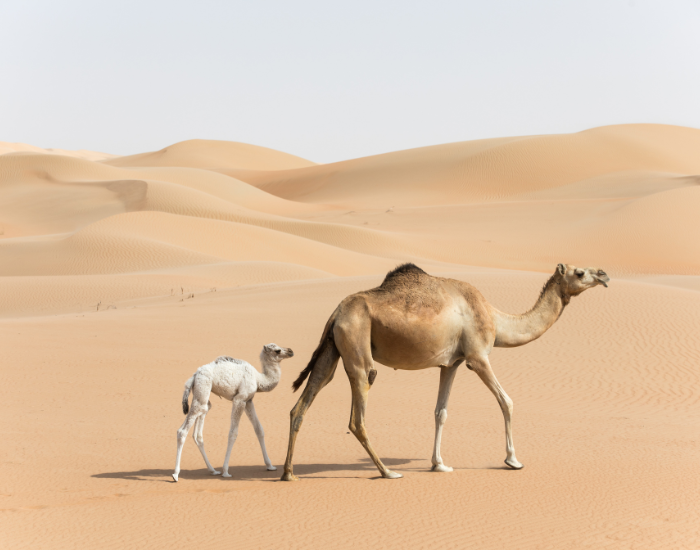
11. Camel – 12–15 Month
Camels, an iconic dessert animal adapted to harsh dessert heat, have gestation periods ranging from 12 to 15 months. The extended pregnancy results in a single, well-developed calf that is capable of enduring extreme temperatures and scarce water resources. Newborn camels can stand on their own within 6 to 8 hours after birth, demonstrating the precocial nature essential for mobility and survival in the desert. The average birth weight is around 34.5 kilograms (approximately 76 pounds), ensuring the calf is robust enough to keep pace with the herd from the start.
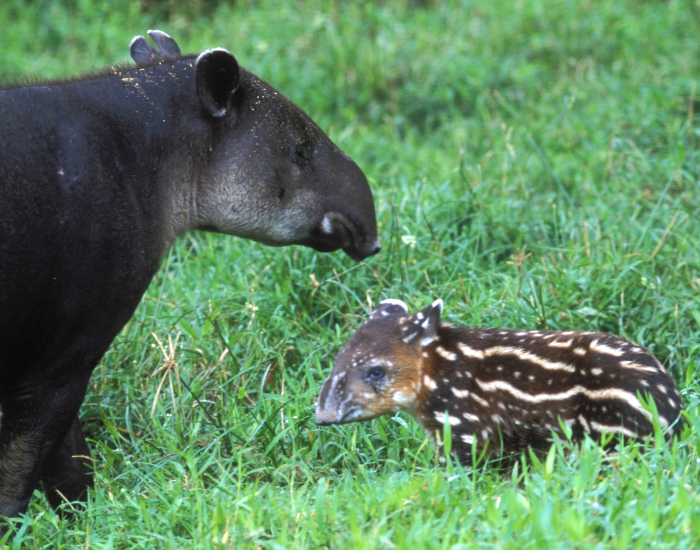
12. Tapir – 13–14 Months
Tapirs, a rainforest animal native to Central and South America as well as Southeast Asia, have gestation periods of about 13 to 14 months. The prolonged pregnancy ensures that calves are born with significant weight, which is crucial for their survival in dense forest environments. The prolonged pregnancy ensures that calves are born with the strength and coordination needed to navigate dense forest environments. However, the lengthy gestation periods can present challenges, and many pregnancies can go wrong due to various factors. Their distinctive striped and spotted coats provide camouflage from predators.
13. Manatee – 12–13 Months
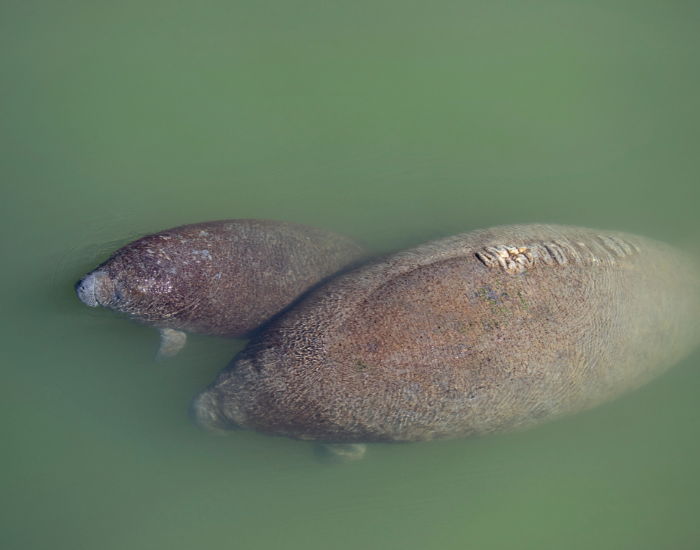
Manatees (and dugongs) have a gestation period of approximately 12 to 13 months. The extended pregnancy ensures that calves are born well-developed and capable of nursing underwater from birth. Calves are born tail-first and can weigh up to 70 pounds at birth. After birth, the calf remains dependent on its mother for up to two years, during which time it learns essential survival skills including migration routes, warm water locations, and feeding areas. Most Florida manatee calves are born during the spring and summer months when environmental conditions are most favorable.
14. Zebra – 12–13 Months
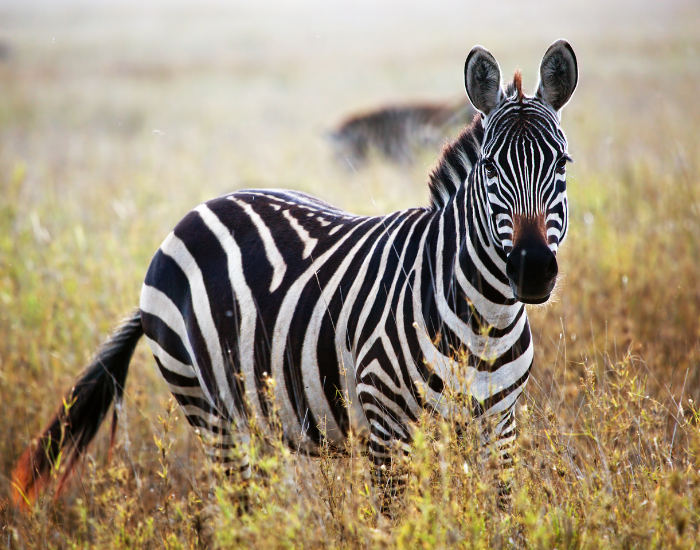
Zebras, native to Africa’s grasslands and savannas, carry their young for a gestation period of approximately 12 to 13 months. The lengthy pregnancy ensures that the foal is born precocial, well-developed, strong, and capable of standing, running, and keeping up with the herd shortly after birth. This rapid mobility is essential for survival, as the newborn foal must be able to escape predators quickly and move with the constantly migrating herd.
15. Donkey – 11–14 Months
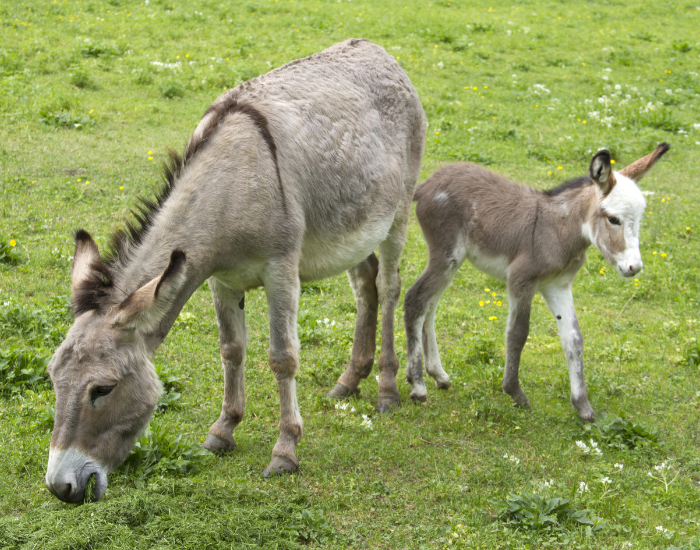
Donkeys have a gestation period ranging from 11 to 14 months, with most pregnancies lasting around 12 months. This extended pregnancy period has greater variability than horses. The lengthy gestation ensures the foal is born well-developed and strong. Donkey foals are precocial, meaning they are born with the ability to stand and walk shortly after birth. The foal should be standing within one hour and nursing within two hours, essential abilities for survival in varied environments where donkeys have historically thrived.
16. Horse – 11 Months
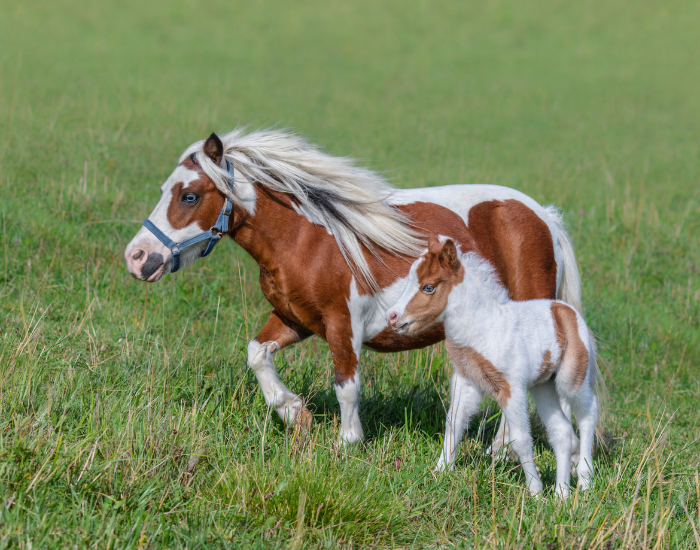
Horses have a gestation period of approximately 11 months, averaging around 340 days, though it can range from 320 to 370 days. The pregnancy length can vary based on factors such as breed, the mare’s age, and seasonal timing. Mares bred earlier in the year often carry their foals slightly longer than those bred in spring or summer. Foals are born highly developed and precocial. Most mares foal at night, and within hours of birth, the foal can stand, nurse, and begin moving with the herd, demonstrating remarkable early mobility essential for survival in the wild.
Reproductive Strategies
Animals have evolved two broad approaches to reproduction: K-selection and r-selection.
K-selected animals like the African elephant — with its near two-year gestation — raise just one calf at a time, but nurture it for years until it can survive independently. Longer pregnancies produce more developed young, which is essential for large mammals like whales and elephants, that need to move or defend themselves shortly after birth. The alpine salamander’s two-to-three year gestation reflects a similar logic, adapted to scarce mountain resources.
R-selected animals take the opposite bet: reproduce fast and in large numbers, accepting that most offspring won’t survive. Rabbits can produce multiple litters a year after just a 30-day gestation, while some fish release millions of eggs at once, relying on sheer volume for the species to persist. The stripe-faced dunnart, with an 11-day gestation, is the mammal-marsupial extreme of this strategy.
Neither approach is superior, each is shaped by an animal’s environment, lifespan, and the pressures of survival.
Patience in the Wild
While human pregnancy may seem long at 9 months, many animals endure even longer waits before welcoming their young into the world. For instance, the frilled shark has a gestation period of three and a half years, showcasing the extreme patience required in the wild. In contrast, humans have a relatively shorter gestation period, but human infants experience a prolonged period of helplessness post-birth, which is a unique survival strategy. These extended gestation periods are shaped by millions of years of evolution, finely tuned to each species’ environment, survival strategy, and biology.
Whether it’s an elephant calf taking nearly two years to develop or a manatee growing slowly beneath the waves, these pregnancies serve as a reminder of just how complex and remarkable nature can be. And as we continue to study and protect these species, understanding their reproductive needs will be key to ensuring their future survival.
References:
Gero, S., Gordon, J., & Whitehead, H. (2013). Calves as social hubs: dynamics of the social network within sperm whale units. Proceedings. Biological sciences, 280(1763), 20131113. https://doi.org/10.1098/rspb.2013.1113
Hildebrandt, T., Drews, B., Gaeth, A. P., Goeritz, F., Hermes, R., Schmitt, D., Gray, C., Rich, P., Streich, W. J., Short, R. V., & Renfree, M. B. (2007). Foetal age determination and development in elephants. Proceedings. Biological sciences, 274(1608), 323–331. https://doi.org/10.1098/rspb.2006.3738
López-Romero, F. A., Klimpfinger, C., Tanaka, S., & Kriwet, J. (2020). Growth trajectories of prenatal embryos of the deep-sea shark Chlamydoselachus anguineus (Chondrichthyes). Journal of fish biology, 97(1), 212–224. https://doi.org/10.1111/jfb.14352
Robison, B., Seibel, B., & Drazen, J. (2014). Deep-sea octopus (Graneledone boreopacifica) conducts the longest-known egg-brooding period of any animal. PloS one, 9(7), e103437. https://doi.org/10.1371/journal.pone.0103437
Robeck, T., Katsumata, E., Arai, K., Montano, G., Schmitt, T., DiRocco, S., & Steinman, K. J. (2022). Growth, maturity, reproduction, and life expectancy in ex-situ pacific walruses (Odobenus rosmarus divergens). BMC zoology, 7(1), 57. https://doi.org/10.1186/s40850-022-00158-1
Pukazhenthi, B., Quse, V., Hoyer, M., van Engeldorp Gastelaars, H., Sanjur, O., & Brown, J. L. (2013). A review of the reproductive biology and breeding management of tapirs. Integrative zoology, 8(1), 18–34. https://doi.org/10.1111/j.1749-4877.2012.12008.x
Wasser, S. K., Lundin, J. I., Ayres, K., Seely, E., Giles, D., Balcomb, K., Hempelmann, J., Parsons, K., & Booth, R. (2017). Population growth is limited by nutritional impacts on pregnancy success in endangered Southern Resident killer whales (Orcinus orca). PLOS ONE, 12(6), e0179824. https://doi.org/10.1371/journal.pone.0179824