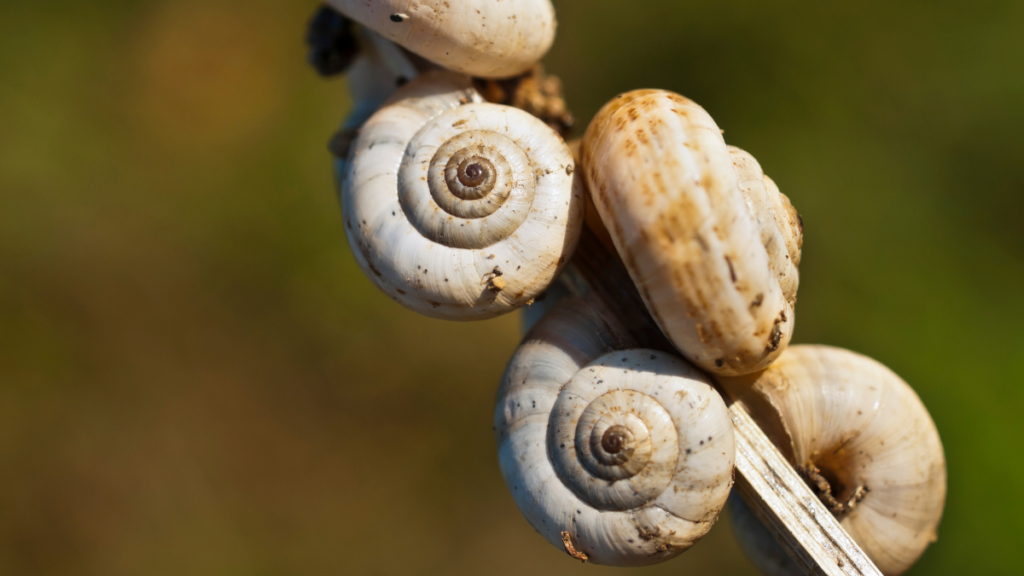
A few days ago I was housesitting two dogs in Shoreham, while traveling in the UK. On our morning loop there is a slow little river, and one dog kept nosing the shallows. That is where I saw it. A small, coiled shell, flat as a coin, glued to a reed. I assumed it was a ramshorn snail, and I was right. But I had no idea how much diversity hides behind that single name. So many colors. So many species. That walk is why I wrote this guide.
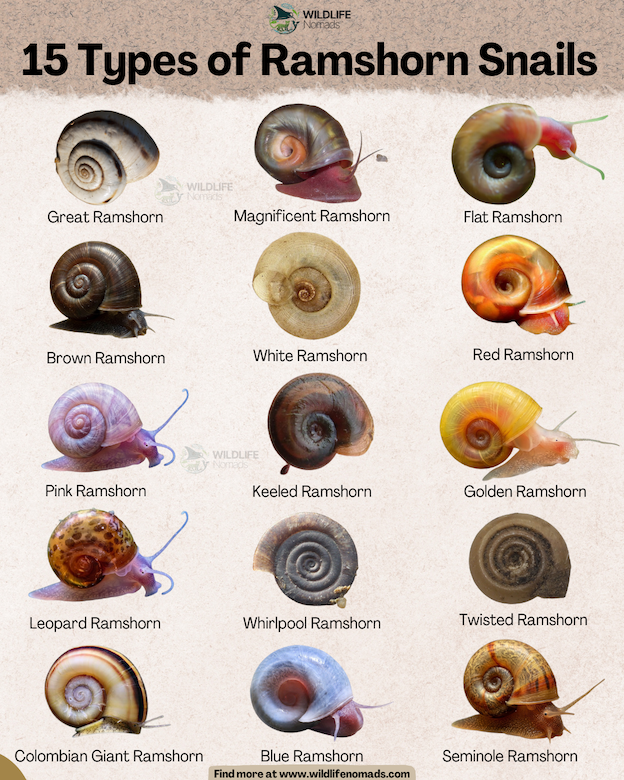
This is not just an ID sheet. Below are 15 of the most iconic ramshorn snails, from wild European giants to the rare pink ramshorn snails that aquarium keepers chase. You will learn what makes each one special, how to tell them apart, and why these tiny freshwater snails matter far beyond a fish tank. Let’s get into it.
What Actually Makes a Snail a “Ramshorn”?
The name describes a shape, not a single animal. A ramshorn snail carries a shell wound in a flat coil, like a coiled ram’s horn seen from the side. Hence “ram horn snail,” “rams horn snails,” and the older spelling “ram’s horn.”
Most ramshorn snails belong to the family Planorbidae. That is the ramshorn snail scientific name most people want. However, several species from different genera share the look, so “ramshorn” covers a small crowd of animals.
Here is a detail that surprises people. These are air-breathing snails!. They carry a simple lung, not gills, and they lack an operculum, the little trapdoor that sea snails use. As a result, they survive low-oxygen water by gulping air at the surface. Watch the head and you will see two slender tentacles waving as it grazes. Interestingly, some even carry hemoglobin in their blood, which tints certain red snails a vivid crimson.
1. Great Ramshorn (Planorbarius corneus)
Range: Europe and western Asia, in ponds, lakes, and slow streams
This is the heavyweight I spotted in that English river. The great ramshorn is the largest ramshorn in Europe, and a mature freshwater ramshorn snail can reach 1.5 inches across. Its shell is usually brown with fine spiral lines.
Some individuals show bright red skin instead of the usual dark tone. That red comes from hemoglobin, because these snails lack the melanin that colors their darker cousins. Therefore a “red” great ramshorn is really a snail whose blood is showing through.
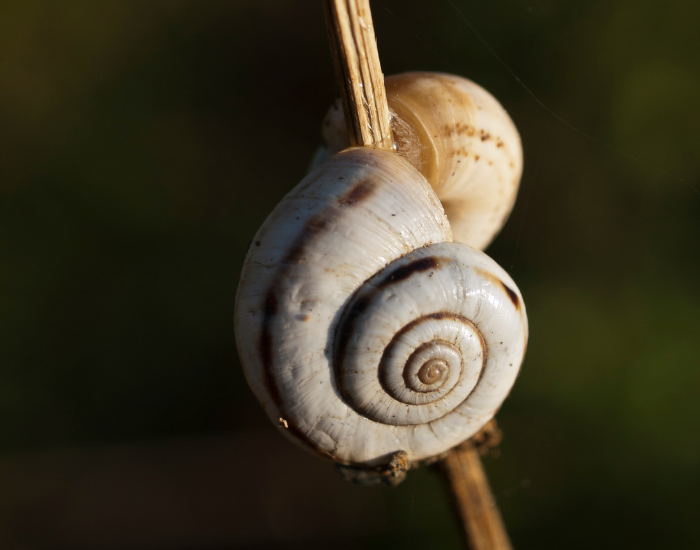
2. Seminole Ramshorn (Planorbella duryi)
Range: Florida and the southeastern United States
Meet the workhorse of the aquarium trade. The Seminole ramshorn is the smaller species behind most tank-bred color morphs, topping out near one inch. Its flat, smooth shell coils tightly, and its algae diet makes it a favorite cleanup crew member.
I have watched these in warm aquariums, grazing biofilm off plants. They breed fast and adapt to almost any habitat, which is why breeders love them.
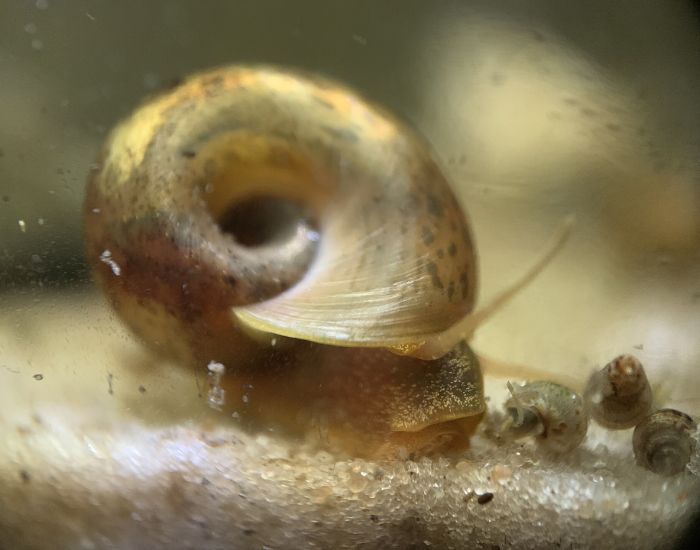
3. Magnificent Ramshorn (Planorbella magnifica)
Range: Lower Cape Fear River basin, North Carolina (endemic)
This one breaks my heart a little. This type has a beautiful brown coiled shell dappled with leopard-like spots, and it grows to roughly 1.4 inches. It lives nowhere else on Earth but a few ponds in North Carolina.
The wild population is effectively gone. The last confirmed wild sighting was around 2004, and in 2023 it was listed as endangered under the U.S. Endangered Species Act. Today it survives only in captive colonies. In late 2023, biologists released about 2,000 captive-reared snails back into a protected pond, a rare and hopeful chapter for an animal most people never knew existed.
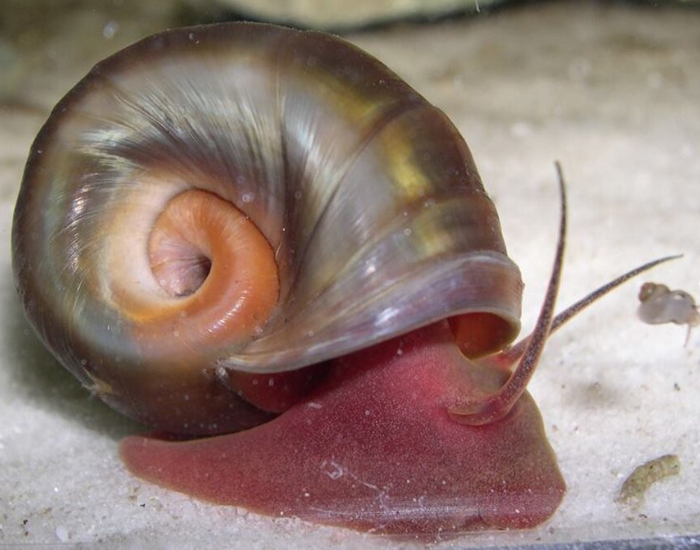
4. Flat Ramshorn (Planorbis planorbis)
Range: Europe and northern Asia
If you picture a classic flat shell snail, this is it. The flat ramshorn is a small native species, reaching only about 0.8 inches, with a strongly flattened, brown shell. It is one of those flat snails you find clinging to weeds in ditches and ponds.
By contrast with the giants below, it is tiny. That said, it is an excellent indicator of clean, plant-rich freshwater habitat.
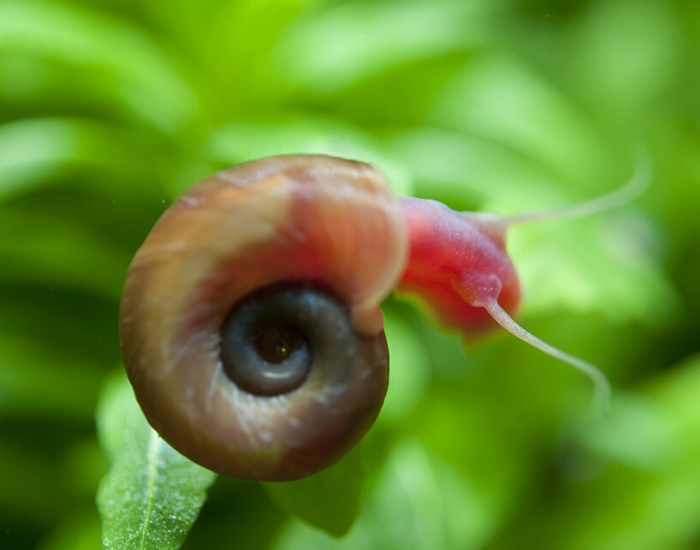
5. Keeled Ramshorn (Planorbis carinatus)
Range: Europe
The keeled ramshorn looks almost identical to its flat cousin, with one tell. A sharp ridge, or keel, runs around the outer edge of the shell. Run a fingertip along the rim and you feel it.
That single ridge is the kind of subtle field mark I live for.
6. Whirlpool Ramshorn (Anisus vortex)
Range: Europe and temperate Asia
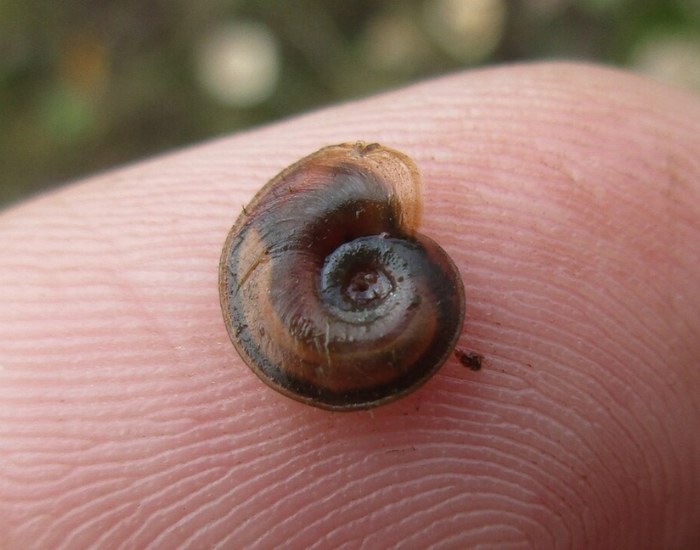
Few freshwater snails earn a name this good. The whirlpool ramshorn has a wide, extremely flat coil with many tight whorls, like a spinning eddy frozen in glass. It rarely passes 0.4 inches wide.
Its shell is so thin it looks translucent in the light. For me, small and brown can still be gorgeous under a hand lens.
7. White Ramshorn (Gyraulus albus)
Range: Across Europe and much of Asia
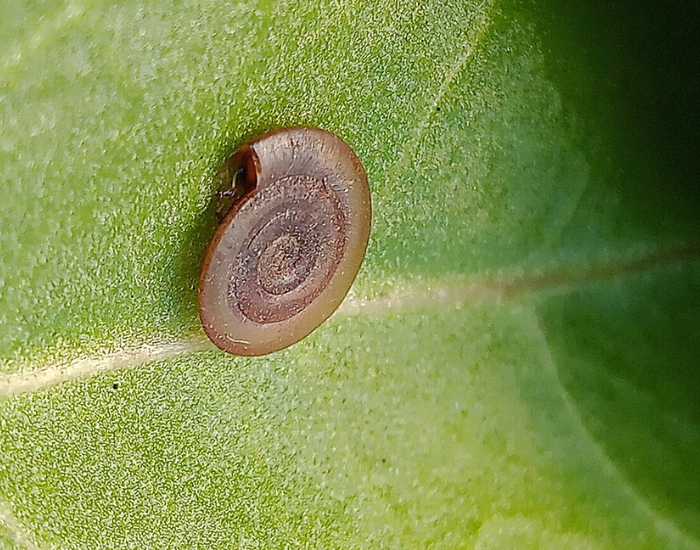
The white ramshorn is another miniature, usually under a quarter inch. Its pale, semi-transparent shell gives it the name, and it drifts through weedy ponds and slow rivers in huge numbers.
These little animals feed on detritus and algae, quietly recycling nutrients. Easy to overlook, yet they are ecological glue in freshwater food webs.
8. Twisted Ramshorn (Bathyomphalus contortus)
Range: Europe and northern Asia
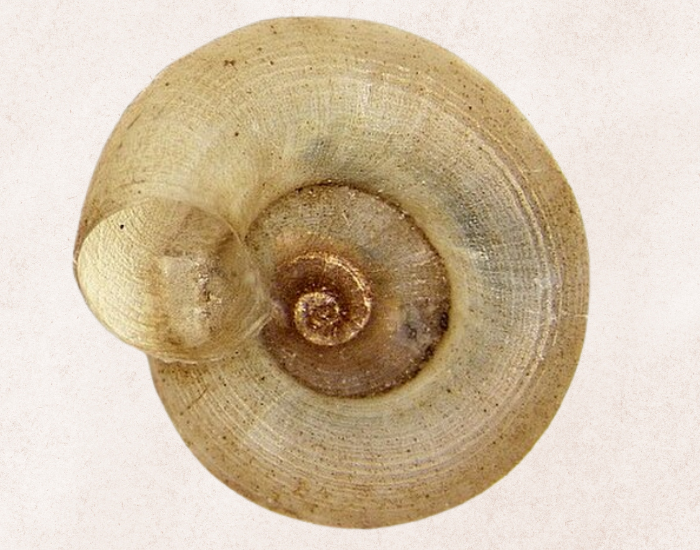
Here is a shape that stops you cold. The twisted ramshorn packs many narrow whorls into a disc barely 0.2 inches wide, so tightly wound it looks machined. Nature rarely makes geometry this clean by accident.
9. Colombian or Giant Ramshorn (Marisa cornuarietis)
Range: Native to northern South America; introduced elsewhere
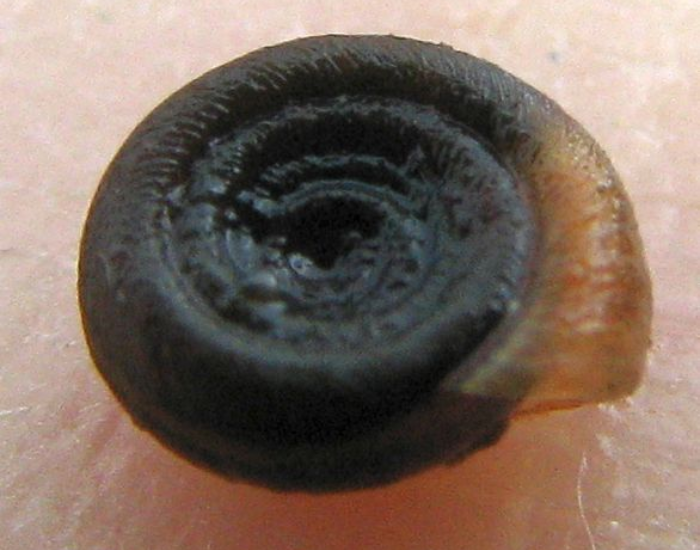
Now for the true giant. The Colombian ramshorn is the largest snail here. A big one can grow up to four centimeters, well over an inch, with bold brown banding. Technically it is an apple snail in the family Ampullariidae, so purists call it a ramshorn only by shape.
It carries a real operculum and it will happily eat live plants, unlike the gentle Planorbidae. In warm regions it has become an invasive species, so it is one to admire, not release. Anyone tempted to keep one should read up on what makes a species invasive first.
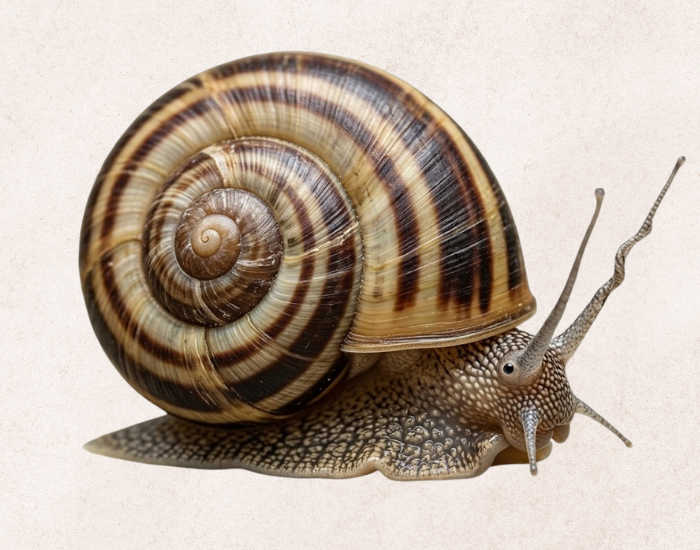
10. Brown (Wild-Type) Ramshorn
Range: Global in the aquarium trade
Every color morph starts here. The brown ramshorn snail is the natural wild type, and its earthy shell is what you get when you cross two fancier morphs together. Brown is genetically dominant, so it keeps coming back.
I find the plain ones underrated. That warm caramel shell and flat coil are the honest baseline of the whole family.
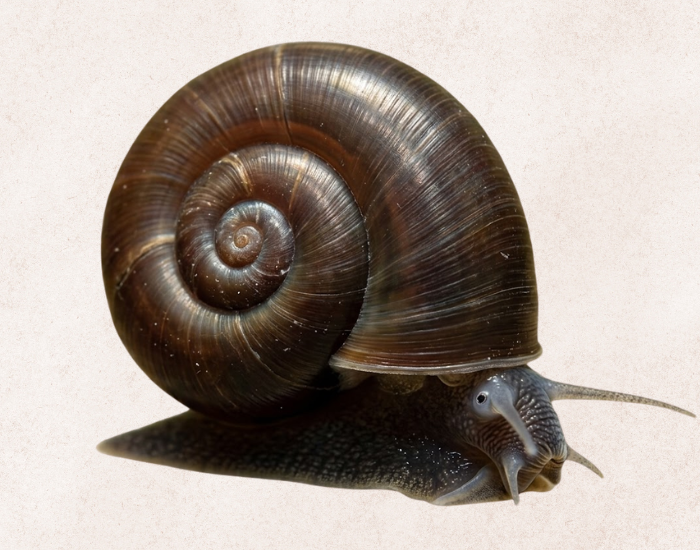
11. Red Ramshorn
Range: Aquarium trade worldwide
Red ramshorn snails are showstoppers. They display stunning shell and body colors, from deep burgundy to bright cherry, because they lack dark pigment and their hemoglobin-rich blood shows through. In good light they almost glow against green plants.
This is often the first ramshorn a beginner falls for. It behaves exactly like the wild type, just dressed for a party.
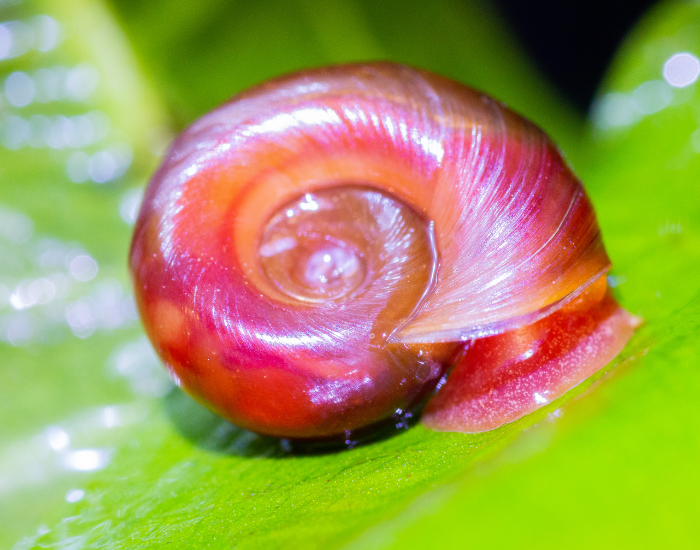
12. Pink Ramshorn
Range: Aquarium trade, specialist breeders
The pink ramshorn is the collector’s prize. Pink ramshorn snails are rarer and more expensive than red or brown, showing soft salmon-to-rose tones from a recessive trait. Because the gene is recessive, careful line-breeding is the only reliable way to keep the color.
I love that a snail can carry the same status as a rare orchid. Scarcity turns a humble grazer into a small treasure.
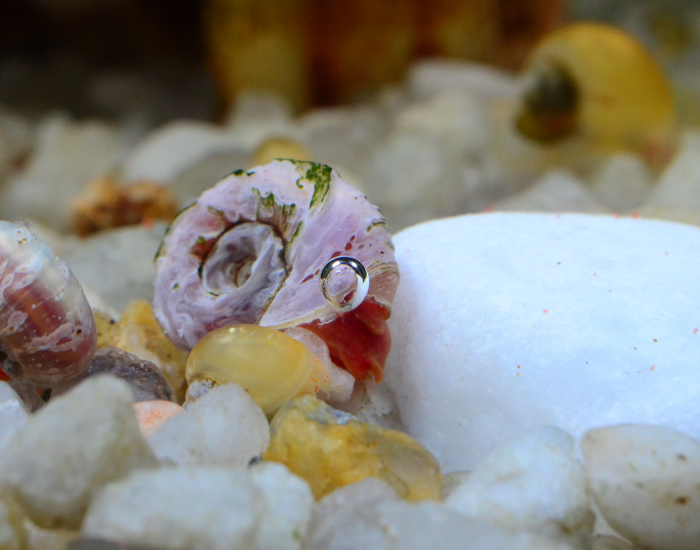
13. Blue Ramshorn
Range: Aquarium trade
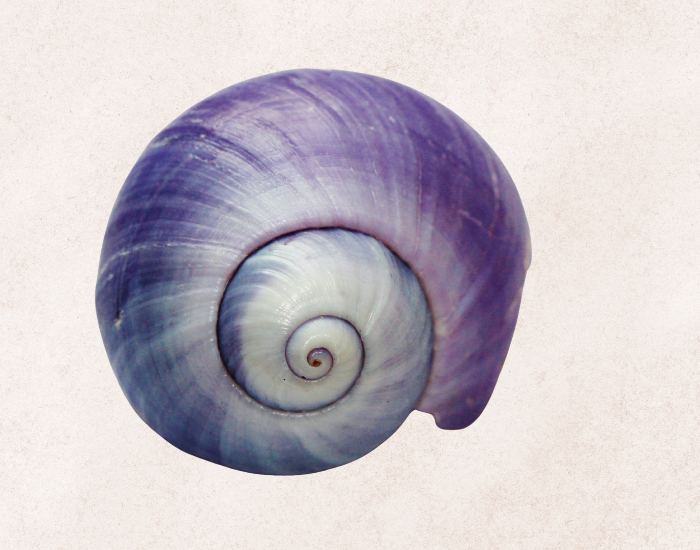
Blue ramshorn snails are hugely popular among aquarium hobbyists, and for good reason. The “blue” is an optical trick. A translucent shell lets the dark body beneath scatter light into a cool, steely blue shimmer.
Get the lighting right and the effect is genuinely striking. It is one of the most requested morphs in pet stores today.
14. Leopard Ramshorn
Range: Aquarium trade
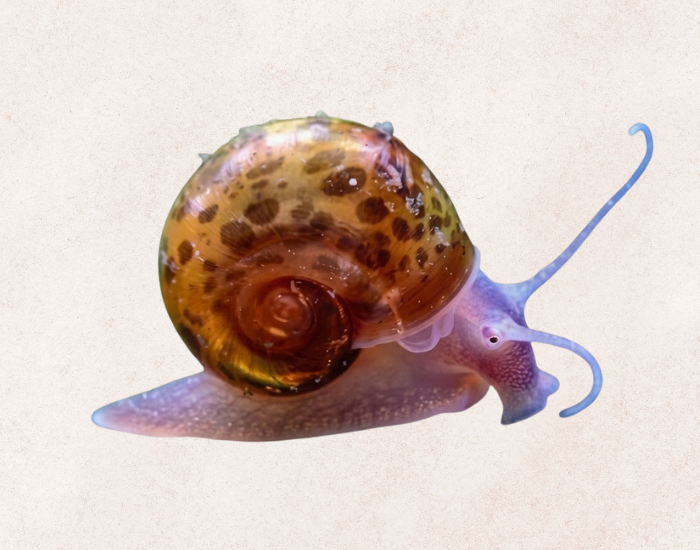
The leopard ramshorn wears the wild spots on purpose. Dark blotches scatter across a lighter shell, echoing the pattern of the endangered magnificent ramshorn. Each shell is a little different, which keepers find addictive. The fanciest tank morph still carries the fingerprints of its wild relatives.
15. Ivory or Golden Ramshorn
Range: Aquarium trade, uncommon
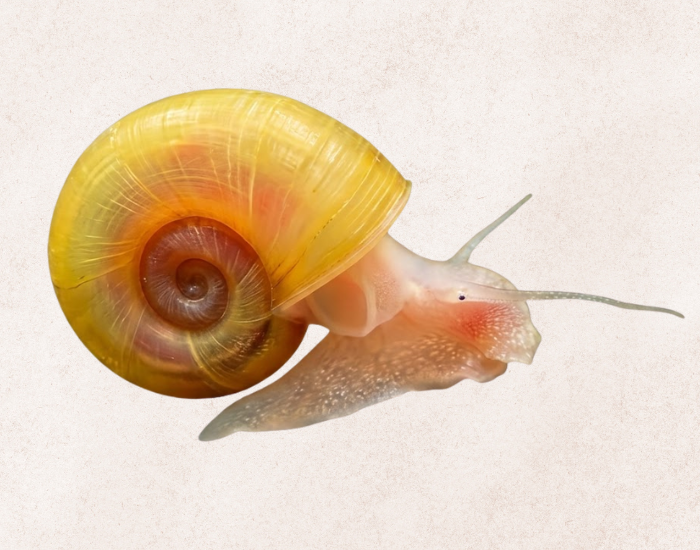
We finish with a quiet stunner. The ivory or golden ramshorn shows a pale cream to warm yellow shell, sometimes with a translucent glow. It is one of the less common varieties, so a healthy cluster feels like a win.
Pair a few with red and blue morphs and one tank becomes a living paint box. That is the real joy of ramshorn snail varieties.
Life in the Tank: Care, Breeding, and Behavior
Here is where these snails earn their keep. All species of ramshorn snails are popular in the aquarium hobby for their cleanup abilities. They eat algae, detritus, and uneaten fish food, and graze decaying plant matter that would otherwise foul your tank water.
Their tool is a rasping tongue, called a radula. It scrapes aquarium algae off surfaces, so these snails help clean aquarium glass one slow pass at a time. They also work the substrate, gravel, and rocks, and, with the exception of the plant-eating Colombian Ramshorn, they will leave your living plants completely alone.
These snails care is refreshingly easy. They thrive at a pH of 6.8 to 7.5 and prefer water temperatures of 70 to 78°F. They live in tanks as small as 5 gallons, though stable water parameters matter more than tank size. One rule is non-negotiable: they require calcium to build strong shells.
They are wonderfully peaceful, too. These non aggressive snails share space with freshwater shrimp and other invertebrates, so they shine in a shrimp tank or a calm community tank. Keep them away from aggressive fish and other fish that hunt snails, or your cleanup crew becomes lunch.
Now, the famous catch: reproduction. These snails are hermaphrodites, carrying both male and female organs, so even one ramshorn can start a colony. They breed prolifically, laying eggs in small gelatinous masses on plants and glass. A healthy adult can deposit multiple clutches weekly.
The numbers add up fast. Eggs hatch in 7 to 24 days depending on temperature, and juveniles reach sexual maturity in just 4 to 6 weeks. So they reproduce rapidly and can overpopulate a new tank overnight. A booming snail population is usually a signal, not a curse. It almost always means you are overfeeding. Feed less, and it self-corrects.
Pests, Predators, and the Assassin Snail Question
Are they pests? Honestly, only mild ones. These snails are considered minor pests at worst, and they will not harm healthy plants or animals. Unlike voracious eaters that strip a tank, they mostly tidy up.
If numbers explode, the classic fix has a name. Assassin snails eat ramshorn snails and other snails, hunting them one by one, so keepers use these snail eating species to control a runaway population. Some larger fish also eat ramshorn snails, and a few even eat dead fish and dead snails.
Manage them with feeding, not panic. Ramshorn snails rarely trigger ammonia spikes alone, but a mass die-off can, so remove dead snails quickly to protect the tank water.
Can You Name That Ramshorn? 🐌
A 15-photo identification challenge — the wrong answers are deliberately tricky look-alikes, especially among the tiny wild coils and the aquarium colour morphs. Go back and change any answer before you score.
Which ramshorn is this?
FAQ: Your Questions Answered
Flat ramshorn snails stay small. The common flat ramshorn (Planorbis planorbis) reaches only about 2 centimeters, roughly 0.8 inches, across. Across the whole group, size varies from about 0.5 to 1.5 inches in diameter, with the great ramshorn topping the scale.
Mostly good. They clean algae, eat decaying plant matter, and rarely bother plants or fish, which makes them a genuine asset in a community tank. The only downside is fast breeding, and even that just flags overfeeding you can fix. On balance, most aquarists treat them as helpers, not pest snails.
Not long. A healthy snail lives for about one year under good conditions. Warmer water speeds up their metabolism and can shorten that lifespan, while cool, stable tanks stretch it toward the full year.
They eat algae, detritus, and uneaten fish food, and they graze decaying plant matter and general aquarium gunk. In a sparse tank you can supplement with algae wafers or blanched vegetables. They leave healthy live plants alone, which is exactly why so many keepers welcome them.
Go Look Closer
Fifteen snails, one shared shape, and a startling amount of beauty packed into a coiled shell smaller than a coin. That is the lesson I carried home from a muddy riverbank in Shoreham.
The next time you pass a pond, a ditch, or a friend’s aquarium, slow down and look. You might spot a wild flat ramshorn or a rare pink treasure hiding in plain sight. If you love overlooked animals, read my guides on endangered species worth saving and habitat destruction next.
References:
Brown, K. M., et al. (2022). Marisa cornuarietis (Linnaeus, 1758) (Gastropoda: Ampullariidae) established in a spring-fed ecosystem in Texas, USA. BioInvasions Records, 11(2), 440–448. https://doi.org/10.3391/bir.2022.11.2.17
Markl, J. (2006). Red blood with blue-blood ancestry: Intriguing structure of a snail hemoglobin. Proceedings of the National Academy of Sciences, 103(32), 12011–12016. https://doi.org/10.1073/pnas.0601861103
Sminia, T., & Boer, H. H. (1972). Haemoglobin-producing cells in freshwater snails. Cell and Tissue Research (Zeitschrift für Zellforschung), 135(4), 563–568. https://doi.org/10.1007/BF00583437
U.S. Fish & Wildlife Service. (2023). Species status assessment report for the magnificent ramshorn (Planorbella magnifica). https://iris.fws.gov/APPS/ServCat/DownloadFile/219854