

When you hear the word wolverine, what comes to mind? A gruff, clawed superhero with sideburns and a bad attitude? You’re not alone. But before Hugh Jackman stole the spotlight, there was the real wolverine, a tough, resourceful, and fascinating predator that roams the wild corners of our planet.
Despite being one of the most elusive animals in the Northern Hemisphere, the wolverine animal species (Gulo gulo) has a reputation that far outweighs its wolverine animal size. Often called the glutton animal or skunk bear, and sometimes even referred to as the nasty cat due to its potent anal scent glands, this species is a symbol of raw wilderness, survival, and tenacity.
What is a Wolverine?
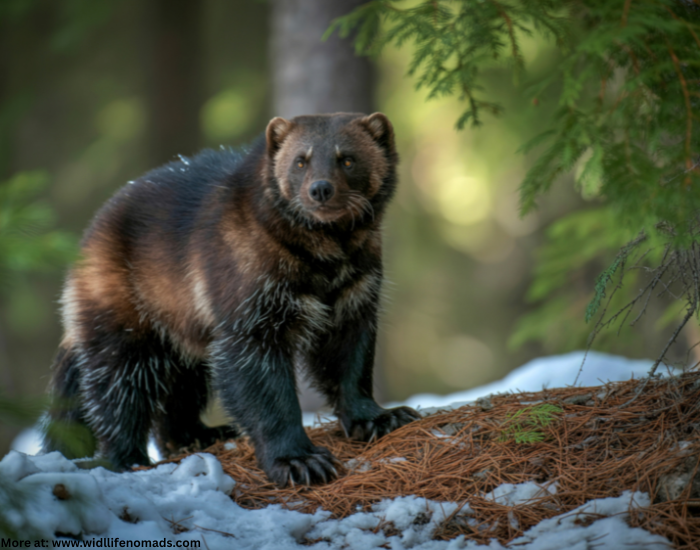
Meet the wolverine, often referred to as the “skunk bear” due to its anal glands that produce a strong-smelling secretion. This fascinating creature is the largest terrestrial member of the family Mustelidae, which includes weasels, otters, and badgers. Wolverines are well-adapted to their natural habitats, sporting a thick, dark brown to black coat with a distinctive light brown stripe extending from their shoulders to the base of their bushy tail. Adult wolverines are renowned for their strength, ferocity, and remarkable ability to survive in deep snow and harsh climates.
However, wolverine populations are facing significant challenges. Human activities and climate change are leading to habitat loss and fragmentation, causing a decline in their numbers. As a result, wolverines are now considered a threatened species under the Endangered Species Act. These resilient animals are a true testament to nature’s tenacity, but they need our help to ensure their survival in the wild.
Let’s dig into 12 wild and wonderful facts to help you answer the question: what is a wolverine?

1. Wolverines Are Not Wolves
Despite the misleading name, wolverines are not related to wolves at all. They belong to the Mustelidae family, also known as the weasel family, relatives of weasels, otters, badgers, and ferrets. Wolverines are the largest land-dwelling members of this family. The confusion likely comes from early European settlers who associated their aggressive nature with wolves.

2. They’re Nicknamed the “Glutton”
Their scientific name, Gulo gulo, literally means “glutton.” This name reflects their insatiable appetite and aggressive feeding habits. The diet wolverines follow is highly opportunistic, allowing them to consume massive amounts of meat in one sitting and often scavenge from large carcasses, especially in harsh winters.

3. They’re Surprisingly Small But Mighty
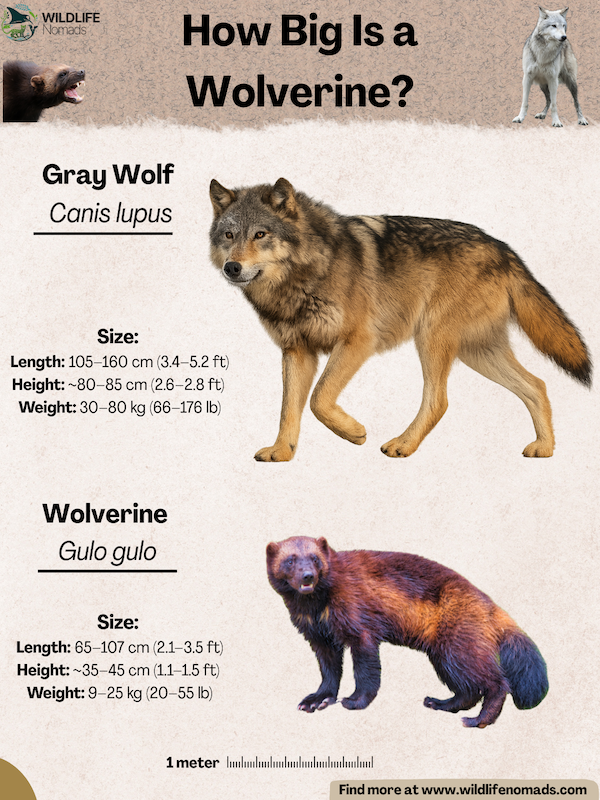
The average wolverine animal size is often underestimated. Wolverines grow to their adult size within their first year, with adults weighing just 20–55 pounds (9–25 kg) and measuring 26–34 inches (65–86 cm) long. What they lack in size, they make up for in sheer strength. Wolverines have been observed chasing off much larger predators like bears and cougars.
4. They Thrive in Harsh Cold Environments
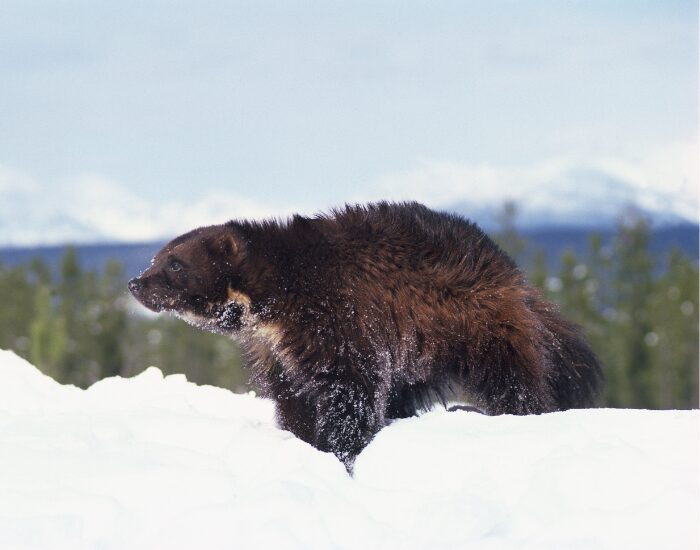
Adapted for extreme weather, the wolverine animal species has a thick body, short legs, frost-resistant fur, and large paws that work like snowshoes. These features allow wolverines to move quickly across snowy terrain. They thrive in boreal forests and alpine regions across North America, Europe, and Asia.
5. Wolverines Can Travel Vast Distances
Wolverines require vast home ranges to find food. Males often patrol areas of over 1,000 square kilometers. Some individuals have been tracked traveling more than 30 km in a single day. Their stamina and navigation abilities make them true wanderers of the wild.

6. They Have a Reputation for Ferocity
If you’re wondering what is the animal wolverine like in behavior, think fearless. They are known for their aggressive defense of territory and food. Compared to most mustelids, wolverines possess powerful jaws and sharp claws, and will not hesitate to take on animals much larger than themselves when cornered.
7. Wolverines Store Food for Later
As a survival tactic, wolverines cache meat under snow or in rocky crevices to eat later, especially during early spring when food is scarce. Their strong memory and keen sense of smell help them locate these stashes weeks or even months later, ensuring their survival during food shortages.
8. They Are Elusive and Hard to Study
The wolverine animal species is solitary, secretive, and thrives in remote landscapes. Their crepuscular habits (active at dawn and dusk) and avoidance of human activity make them difficult to observe. Scientists often rely on GPS collars and DNA analysis from hair or scat samples. The wolverine in the contiguous U.S. is considered a distinct population segment and is designated as threatened under the Endangered Species Act due to significant threats from climate change and habitat degradation.

9. Wolverine Mothers Build Snow Dens
Female wolverines dig deep snow dens between February and April to raise their wolverine kits. These dens provide critical insulation and protection. As climate change reduces snowpack, the survival of newborn wolverines becomes increasingly at risk.

10. They’re Facing Conservation Challenges
Wolverines are listed as vulnerable or near-threatened in many areas due to habitat loss, snowpack decline, and low genetic diversity. Conservationists are working hard to establish protected zones and raise awareness of the threats facing this glutton animal. The Alaska Department of Fish and Game plays a crucial role in managing wildlife populations, controlling harvests through monitoring annual catches, and setting bag limits to protect species like the wolverine.

11. Wolverines Communicate Using Scent
Wondering what is a wolverine‘s communication method? They use scent marking and sexual signaling to stake territory and attract mates. With glands located on their feet and rear, they leave strong-smelling markers, earning them the nickname “skunk bear.”
12. They Are Surprisingly Long-Lived for Their Size
For their size, wolverines live relatively long lives. Wolverines become sexually mature in their second year, but despite reaching sexual maturity, less than 10% of the 2-year-old females actually produce litters. In the wild, they can live up to 12 years; in captivity, up to 17. This impressive lifespan is due in part to their remote habitats and minimal human contact.

Geographic Range – Where do Wolverines Live?
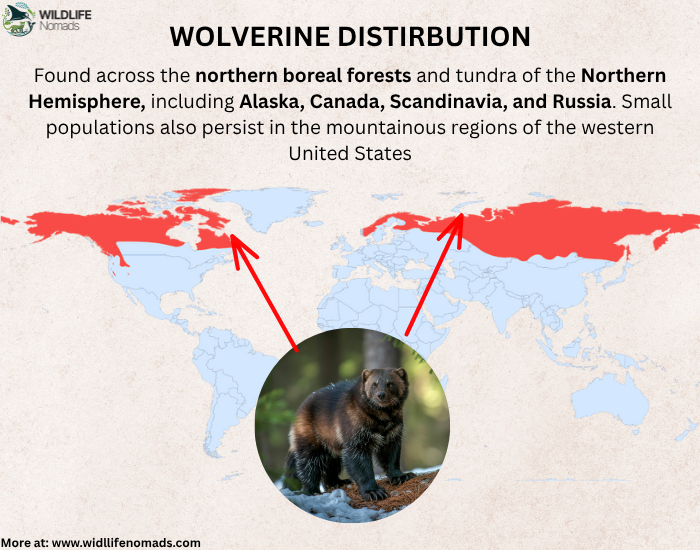
Wolverines are true denizens of the north, inhabiting the cold, isolated regions of North America, Europe, and Asia. In North America, their range includes the Sierra Nevada mountains, the Northern Rockies, and the North Cascades. Historically, wolverines roamed as far south as the southern Rocky Mountains, but habitat loss and fragmentation have significantly reduced their range.
Female wolverines, in particular, are highly sensitive to habitat disruption. They require large, undisturbed areas with deep snow to raise their young. The availability of deep snow is crucial for their survival, providing the necessary conditions for denning and hunting. As climate change continues to impact snowpack levels, the geographic range of wolverines is becoming increasingly restricted, highlighting the need for conservation efforts to protect these vital habitats.
Reproduction and Mating
Wolverines are solitary creatures, coming together only during the breeding season, which typically occurs in the summer months. Female wolverines give birth to 2-4 kits after a gestation period of approximately 40 days. These kits are born blind and helpless but grow rapidly, venturing out of the den by the time they are 6-8 weeks old.
Adult males play a minimal role in raising the kits, though they may provide food and protection to the female and her young. Wolverines are induced ovulators, meaning the presence of a male triggers the female’s reproductive cycle. The availability of food and suitable habitat is crucial for successful reproduction. In years with low food availability, female wolverines may not produce young, underscoring the importance of a stable environment for their reproductive success.
Climate Change Impacts
Climate change is posing a significant threat to wolverine populations, especially in the contiguous United States. Rising temperatures are reducing the availability of deep snow, which is essential for wolverine survival. Wolverines rely on snow to build their dens, hunt, and protect themselves from predators. The reduction in snow cover is also making it more challenging for wolverines to find food, as their primary source of nutrition, carrion, is often buried under the snow.
Additionally, climate change is altering the distribution of wolverine prey, making it harder for them to find the food they need to survive. The wolverine’s dependence on snow and its vulnerability to climate change make it an important species to study and protect. Conservation efforts, such as those led by the Forest Service and the Wildlife Service, are underway to protect wolverine habitat and mitigate the impacts of climate change on this iconic species. By addressing these challenges, we can help ensure the survival of wolverines in their natural habitats.
Common FAQs
Wolverines belong to the Mustelidae family and the Carnivora order. Their relatives include badgers, otters, and martens. As members of this group, wolverines share traits like powerful jaws, strong scent glands, and keen senses, which help them thrive in remote and competitive environments.
Wolverines live in cold, isolated regions across the Northern Hemisphere. They thrive in boreal forests, alpine tundra, and snow-covered mountains. In North America, they are primarily found in Alaska, western Canada, and the northern U.S. Rockies. In Eurasia, populations stretch across Scandinavia and parts of Russia.
Generally, wolverines are not dangerous to humans. They’re elusive and avoid contact with people. However, like many wild animals, they can be defensive if cornered or if their young are threatened.
Remote habitats, solitary lifestyles, and crepuscular activity patterns make wolverines one of the hardest large mammals to observe in the wild, especially given their interactions with other wolverines.
The wolverine animal species is not globally endangered, but it is considered threatened in the lower 48 U.S. states and parts of Europe due to the loss of their historic range, habitat fragmentation, declining snowpack, and low reproduction rates.
Conservationists are advocating for protected areas and stricter policies to secure their future.
A Creature of the Cold and Wild
So, what is the animal wolverine? It’s a muscular, fearless, cold-loving creature built for survival. From their ferocity and stamina to their role in the food web, wolverines are true icons of wilderness resilience.
As climate change and habitat loss intensify, raising awareness about the wolverine animal species has never been more crucial. Whether you’re a wildlife geek or just curious about that mysterious, misunderstood creature, you now know the truth behind the legend.
The real wolverine? Way cooler than fiction, especially considering their significance in North American ecosystems and cultures.