The Price of Possession: Why We Must Let Go of the Allure of Ivory
Few topics in wildlife conservation carry as much weight as ivory. For centuries, this dense, beautiful substance has been carved into objects of desire, a true status symbol across continents and cultures. However, for anyone who has stood in the presence of an African or Asian elephant, a creature of immense intelligence, deep familial bonds, and quiet majesty—the admiration for carved ivory turns to profound, unsettling grief.
As a biologist, the topic of illegal wildlife trade, and the decimation of elephant populations specifically, was a constant, heavy issue. It permeated my Masters degree in Australia. I remember the chilling documentaries about the ivory crisis, and the stories told by biologist friends who lived and worked in Africa. They spoke of daily horrors, the constant battle against poachers, and the agonizing necessity of de-horning rhinos as a last-ditch effort to protect them from human greed.
These experiences crystallize one critical question: If we truly admire these magnificent animals, if we are in awe of their tusks, these incredible biological tools, why does our admiration so often translate into a fatal desire for possession? Historically, ivory demand has fueled the creation and trade of elephant ivory products, turning admiration into a market for these items. Why does the smooth, lustrous material become a status element when its true purpose is rooted in the wild life of the elephant? The ongoing global ivory demand continues to drive the exploitation of elephants for their ivory products, perpetuating this cycle of desire and destruction.
This isn’t just a science article. It’s a critical look at our human nature, a deep breath, and a compelling call for empathy. We must move past the object and focus on the life it was ripped from.
The Biological Reality: What is Ivory Made Of?
To understand the core issue, we need to start with the facts. What is ivory?
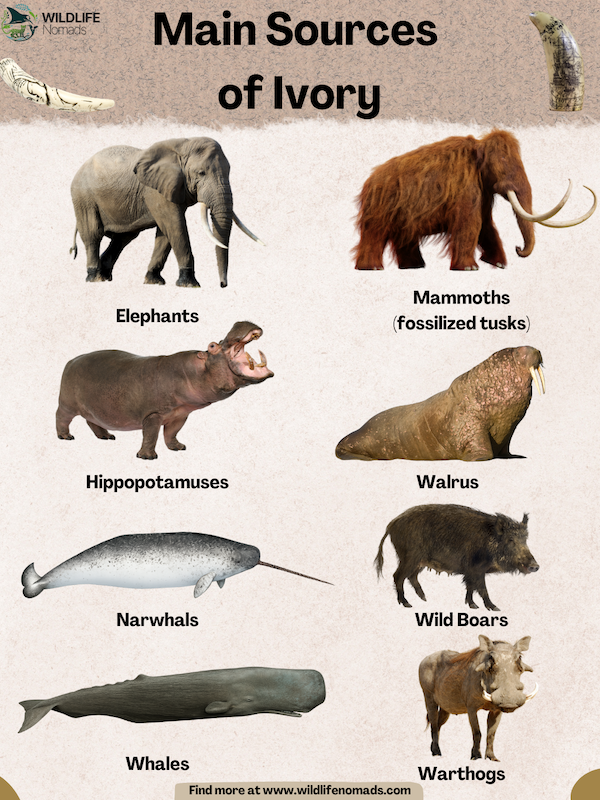
At its simplest, ivory is a hard, white material that makes up the tusks and teeth of various mammals. While many animals, including hippos, walruses, sperm whales, and even warthogs, possess ivory-like dentine, humans have historically collected and used the prominent ivory teeth from these animals. People have particularly utilized sperm whale teeth as another source of ivory for carving and ornamental purposes. The material we most often associate with illegal trade comes from the elongated incisor teeth of elephants, known as tusks.
The Composition of Ivory
Ivory is a specialized form of dentine, a calcified connective tissue that makes up the bulk of an animal’s tooth. What is ivory made of? It is primarily composed of calcium phosphate (specifically, hydroxyapatite) and organic materials, mainly collagen. This composite structure gives ivory its incredible strength, resilience, and unique aesthetic quality.
The characteristic crisscross pattern seen in the cross-section of elephant tusks, known as the Schreger pattern, is unique to elephant ivory. Forensic scientists use this pattern to distinguish genuine elephant ivory from other natural materials and synthetic substitutes.
The Real Use of Ivory: Why Elephants Need Their Tusks
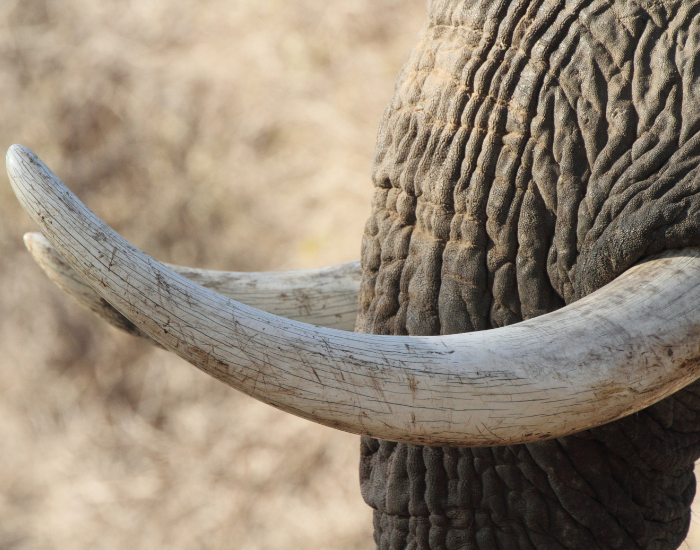
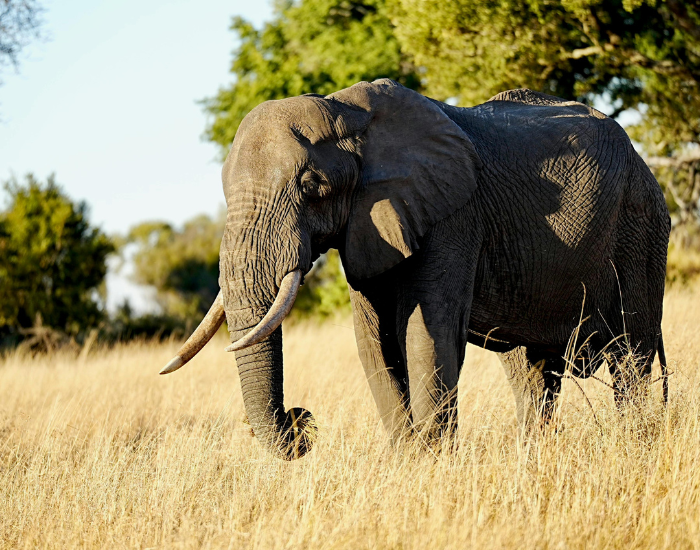
If you want to know the true, inarguable use of ivory, you must look at the elephant itself. For an elephant, ivory is not decoration. It is a vital, multi-tool critical for survival. In fact, if we are in awe of their tusks—these incredible biological tools—it’s because the elephant’s tusks play a crucial ecological role, helping them dig for water, strip bark from trees, and defend themselves, all of which are essential to their biology and the ecosystems they inhabit.
What is Ivory Used For from Elephants?
Elephant tusks, present in both male and female African elephants, and mostly in male Asian elephants, are used daily for essential tasks:
Foraging: Elephants use their tusks to dig for salt, minerals, and essential water during dry seasons. They effectively create water holes that benefit countless other species in the ecosystem. This stripping bark behavior also helps them access nutritious pulp cavity nutrients from trees.
Defense: Tusks serve as weapons for protection against predators like lions and rivals during mating season. The dominant tusk often shows more wear from frequent use.
Tool-Use: They strip bark from trees to feed, lift heavy objects, and clear paths through dense forest. Elephants act as crucial “ecosystem engineers” that shape the landscape for wild fauna and flora.
Support: Tusks can be used to rest their heavy trunks, particularly important for older elephants.
To take the tusk is not merely to take a product. It is to dismantle the elephant’s ability to eat, drink, defend, and survive. Can elephants live without ivory? Technically, they can survive the agonizing removal process. However, their quality of life, their ability to find food, and their social standing are irrevocably damaged. It’s a cruel subtraction from a life already navigating a world increasingly dominated by humans.

The Commodity Crisis: Why is Ivory So Valuable?
If ivory in elephants is so essential to them, why do humans demand it? Why is elephant ivory so valuable?
The value of ivory is not intrinsic. It’s a cultural, historical, and deeply unfortunate economic construct. Ivory trading has historically shaped the market and contributed to the commodification of ivory, influencing both demand and the economic value placed on elephant tusks.
The existence of ivory stockpiles, managed under international regulations, adds another layer of complexity. The sale or destruction of these stockpiles is highly controversial, with debates centering on their potential role in conservation funding, the risks of fueling illegal trade, and the broader impact on efforts to protect elephant populations.
Aesthetic and Mechanical Properties
Historically, ivory material was valued for its durability, workability, and beauty. It’s relatively soft when freshly cut, allowing artisans to carve intricate details. Yet it is tough and resilient once cured. This worked ivory has a lustrous appearance that synthetic materials struggle to replicate.
Cultural Significance
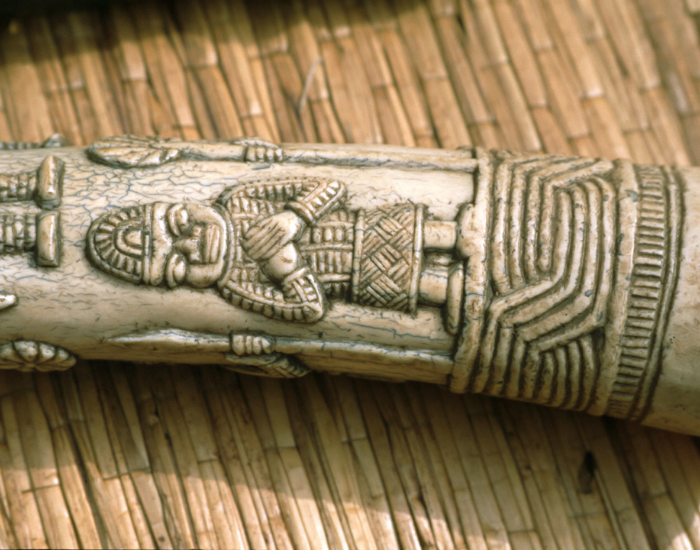
For millennia, artisans in places like ancient Rome, Indonesia, Egypt, the Middle East, and many countries in Asia used ivory to make high-value religious objects, ornate carvings, sculptures, and art. In African countries, it was often a symbol of a chief’s power and economic control. Indian elephant ivory was particularly prized in the domestic trade of Asian regions.
Status Symbol and Demand for Ivory
In many wealthy consumer nations, especially in Asia, owning intricate ivory carvings signifies wealth, prestige, and social status. It is a luxury good, sometimes referred to as ‘white gold.’ The global demand for exquisite works of art, like intricate Buddha statues, netsuke, furniture inlays, or ivory jewelry, ensures a continuous stream of blood ivory funding transnational organized crime syndicates.
The heartbreaking irony? Its rarity, caused by our own unsustainable consumption, only increases its value on the black market.
What is Made Out of Ivory?
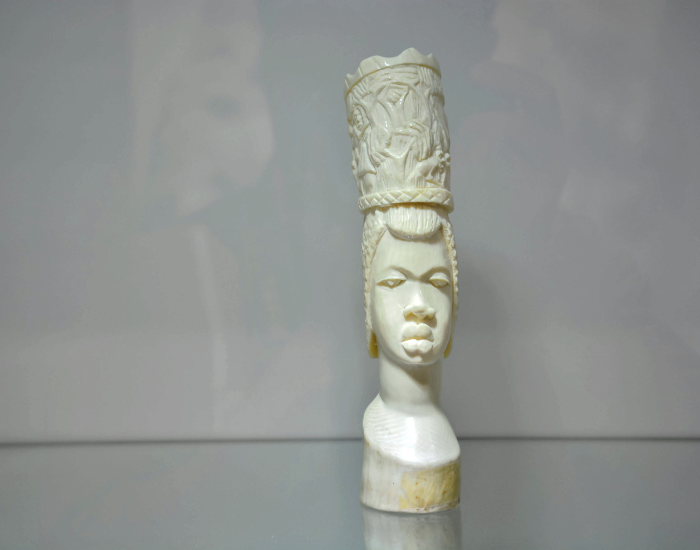
Historically and illegally, the range of ivory products is extensive, with ivory objects, items crafted from ivory, holding significant cultural and historical importance:
Art and Ornaments: The most common use today includes figurines, intricate carvings, and ivory jewelry.
Game Pieces: Chess pieces, billiard balls, and dominoes were traditionally made from most ivory, though many are now replaced by synthetic substitutes.
Utilitarian Items: Handles for cutlery, seals, stockpiled ivory used for furniture inlays, and even ivory piano keys were commonplace.
The Black Market: Why is Ivory So Illegal?
The answer to why ivory is so illegal is simple: conservation failure and the threat of extinction.
In the 1970s and 80s, industrial-scale elephant hunting driven by skyrocketing global demand for ivory decimated the African elephant population. Estimates suggest over 100,000 elephants were killed annually during the peak of illegal poaching. This catastrophe forced the world to act.
CITES and the International Ban
The International Ban: In 1989, the Convention on International Trade in Endangered Species of Wild Fauna and Flora (CITES), a United Nations convention, placed the African elephant on Appendix I. This enacted a near-total international ban on the commercial trade of ivory. This decision was a lifeline, halting the precipitous decline in many areas. The Endangered Species Act soon followed in the United States.
National Laws: Following CITES, many countries implemented or strengthened their own laws. For example, in the United States, subsequent regulations have implemented a near-complete ivory ban on commercial sales of African elephant ivory across state lines. Narrow exceptions exist for antiques (generally defined as being 100+ years old) that meet strict documentation requirements. New ivory from any source is prohibited.
The Rise of Tuskless Elephants
One of the most profound indicators of poaching’s impact is the documented rise of tuskless elephants, particularly female elephants in high-pressure areas like Gorongosa National Park in Mozambique. Poachers preferentially target large-tusked elephants, causing unnaturally strong selection pressure. Biologists observe that a higher percentage of female African elephants are now being born tuskless or with very small tusks. This is an alarming evolutionary adaptation that fundamentally changes the species, including the Loxodonta africana (African forest elephants). It highlights the intense pressure placed on elephant populations by humans.

Conservation Efforts: The Battle for the Elephant’s Future
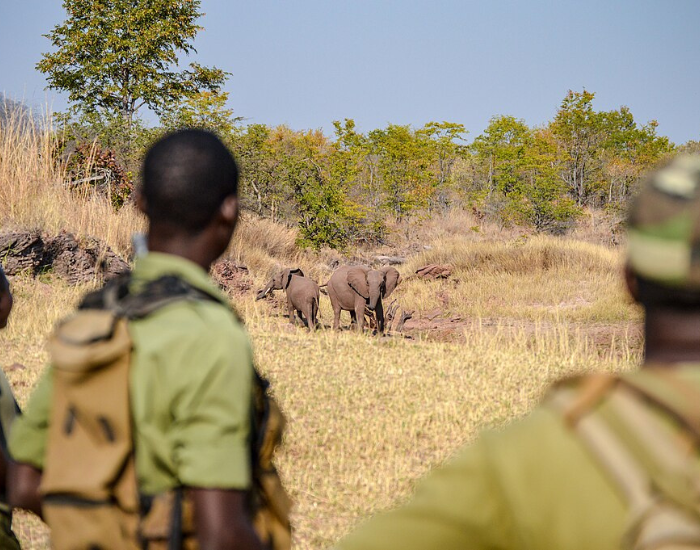
Anti-Poaching Patrols: Conservation groups and local government agencies deploy highly trained, often armed, ranger teams.
Demand Reduction Campaigns: Organizations run targeted campaigns in major consumer nations to shift cultural attitudes and reduce the desire for ivory. The goal is simple: if the global demand vanishes, the product loses its value.
Community Engagement: Conservationists work to ensure local communities benefit financially from living elephants through eco-tourism rather than poached ivory. When elephants live and contribute to the economy, attitudes and livelihoods change.
Habitat Protection: Research highlighted that elephant hunting is the primary driver of recent population decline. However, habitat loss remains a critical, long-term threat. Protecting key migratory corridors for wild fauna and flora and reducing human-elephant conflict through measures like low-cost electric fencing is vital. This applies to both African elephant populations and Asian elephant populations, including the Indian elephant (Elephas maximus).
Addressing Corruption and Illegal Trade: Research indicates that a legal ivory trade is not feasible in a corrupt world. Therefore, a massive global effort is needed. Strengthening law enforcement and judicial systems along the entire trade chain from African countries to consumer markets is essential.
Monitoring and Ivory Identification: Advanced techniques for ivory identification help authorities distinguish between legal antique ivory and new ivory from illegal sources. These methods also help identify other species whose ivory enters the trade, such as mammoth ivory, which is sometimes sold as a substitute.
A Call for Empathy and Action: The True Meaning of Admiration
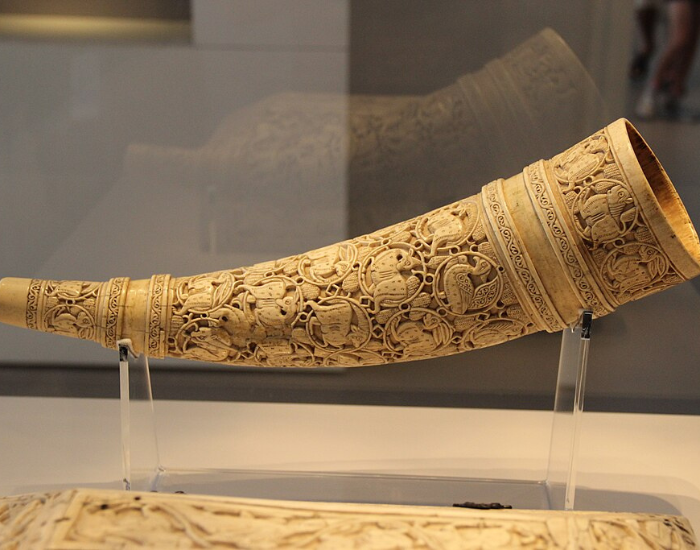
If you walk into a museum and see an ancient ivory sculpture, it’s a powerful moment to reflect. You are not just looking at a beautiful object. You are witnessing the complex history of human desire and the ultimate cost of that desire.
The critical thinking lens I’ve applied throughout my career as a scientist always brings me back to this: Our admiration should be for the animal itself, not the status symbol derived from its demise. The ivory on an elephant is magnificent because of its function and the life it sustains. Divorced from the elephant, it’s just a piece of dentine with a history of violence.
Actionable Advice: How to Help Protect Elephants
You have the power to protect these majestic creatures.
Never Buy Ivory: The simplest, most effective strategy. If you are unsure if an antique or item contains ivory, do not buy it. Don’t risk funding the illegal trade. The laws on owning ivory items are complex and constantly changing. However, the moral law is simple: stop the demand for ivory.
Support Reputable Conservation Groups: Support organizations that are on the ground. They fund ranger patrols, research, and community education. Support their work to reduce poaching and human-elephant conflict.
Educate Others: Share the truth about ivory. Discuss the vital role tusks play for elephants. Expose the connection between the black market and organized crime. Talk about synthetic materials as ethical alternatives to ivory products.
Advocate for Stronger Laws: Support local and national laws that maintain and strengthen ivory ban regulations. Encourage the United Nations convention and the Endangered Species Act enforcement. Push for stricter regulations on the domestic trade and international trade in endangered species.
The Broader Picture: Other Industries Built on Status, Not Necessity
The ivory crisis is not an isolated tragedy. It is part of a much larger pattern of human consumption driven purely by ego, status, and desire—not survival or sustenance.
Consider the exotic leather industry. Crocodile and alligator skin is turned into luxury handbags, boots, and belts that sell for thousands of dollars. Yes, there are crocodile farms. However, these farms exist solely to satisfy human vanity. We don’t eat crocodiles as a dietary staple. We farm them purely for their skin, to create status symbols for the wealthy.
What does this say about us as a species? Why do we need to dominate, possess, and display the skins of other creatures to feel valuable? The elephant loses its tusks. The crocodile loses its skin. The python is stripped for a handbag. All so we can signal status, wealth, and power to each other.
This is not about survival. It is about ego. And until we reckon with that uncomfortable truth—until we look in the mirror and ask ourselves why we need these things—the cycle of exploitation will continue.
Frequently Asked Questions About Ivory
Ivory is a hard, white material from the dentine of animal teeth and tusks. Culturally, it signifies wealth and status. Biologically, it is a vital tool for survival for elephants and other animals.
As a black-market commodity, the price is highly variable, secretive, and illegal. Raw ivory has historically fetched prices that make it incredibly profitable for criminal syndicates. Legal ivory from antiques is subject to strict regulation.
Yes, the commercial trade of African elephant ivory is nearly completely banned under the Endangered Species Act. Very narrow exceptions exist for qualifying antiques (100+ years old) that require extensive documentation. State laws also vary. New ivory is prohibited.
Ivory is made of dentine, composed primarily of calcium phosphate (hydroxyapatite) and collagen. This gives it strength and a lustrous appearance.
Yes, synthetic substitutes and other materials like tagua nut (vegetable ivory), bone, and synthetic materials can replicate the appearance of ivory without harming elephants.