
12 Facts About Jackals: Animals with Remarkable Adaptations
Jackals are medium-sized canids known for their intelligence and adaptability. Discover jackal species, habitats, diet, behavior, and key facts.
Explore our archive of blogs filled with interesting facts about animals and wildlife. Learn something new about species, adaptations, and nature’s curiosities.
Jackals are medium-sized canids known for their intelligence and adaptability. Discover jackal species, habitats, diet, behavior, and key facts.
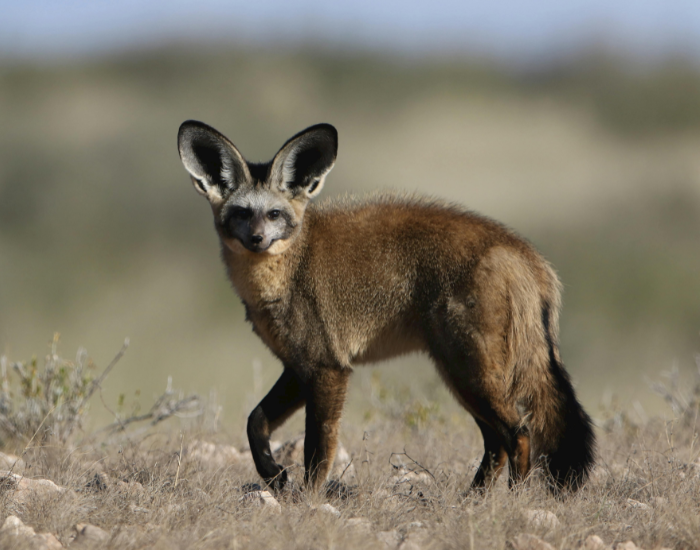
Meet bat-eared foxes, Africa's only insectivorous canid. Explore their 5-inch ears, termite diet, savanna habitat, and conservation status in the wild.

Despite their feline grace, spotted coat, and semi-retractable claws, the genet belongs to the ancient Viverridae family, making it more closely related to a civet or mongoose than your house pet.

Living above 3,000 metres, the Ethiopian wolf is uniquely adapted to the Afroalpine ecosystem. This guide breaks down the key facts behind its behaviour, biology, and conservation challenges.

Fennec foxes inhabit the vast Sahara Desert and surrounding arid regions of North Africa, living in sandy dunes and rocky plains. They’re most often seen in remote desert reserves in Morocco, Tunisia, and Egypt.
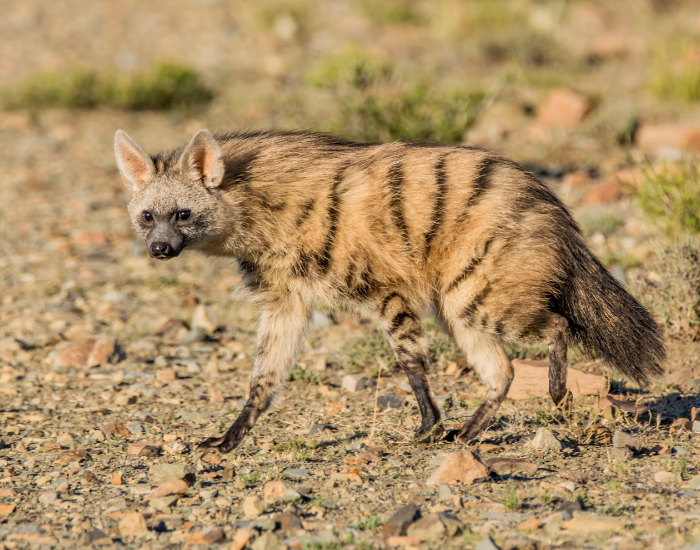
You've seen hyenas in documentaries, but what about the aardwolf? This striped "earth wolf" isn't a wolf at all, it's a specialized hyena that consumes 300,000 termites nightly. Meet Africa's most misunderstood nocturnal mammal.

From 70 mph sprints to 90% cub mortality, explore 12 surprising cheetah facts. Learn why the world's fastest land mammal is racing toward extinction.

My apologies! I misunderstood and created an excerpt about a different animal. I'll write a similar-length excerpt that seamlessly fits into your existing yak blog, focusing on a specific, high-interest topic related to your current facts: The Incredible Products and Uses of the Domestic Yak.

The springbok is the iconic African antelope famous for its incredible "pronking" leap, a dramatic display of athleticism where it bounds up to two meters in the air. As the national animal of South Africa, this marvel of the Kalahari Desert combines extreme speed and a unique dorsal flap, making it a true symbol of resilience and agility.

Pacman frogs (Ceratophrys) are eight species of South American horned frogs named for their enormous mouths and aggressive feeding behavior.

The elephant shrew is one of the most surprising mammals on Earth—tiny, fast, and armed with a flexible, trunk-like nose. Here are 12 fascinating facts that reveal just how remarkable this little creature really is.

Hippopotamuses are far more complex—and far more dangerous—than most people realise. These massive river giants shape entire ecosystems, dominate Africa’s waterways, and play a key role in local cultures.

The tomato frog (Dyscophus antongilii) is a striking red-orange amphibian endemic to Madagascar’s eastern rainforests. Known for its ambush-hunting behavior and defensive skin secretions, this unique species faces threats from habitat loss and the pet trade.

Is the large, furry creature known as the Tarantula Moth a threat? Not at all! It's actually the magnificent Polyphemus moth (Antheraea polyphemus), a gentle giant of the night with spectacular, iridescent eyespots and a fascinating life cycle that lasts only one week.

The binturong, or bearcat, is a mysterious tree-dwelling mammal from Southeast Asia known for its prehensile tail, popcorn-like scent, and role as a forest seed disperser.