12 Fascinating Facts About the Boa Constrictor

Learn amazing facts about boa constrictors — powerful snakes that can grow over 13 feet long, crush prey with ease, and thrive across tropical America.

Learn amazing facts about boa constrictors — powerful snakes that can grow over 13 feet long, crush prey with ease, and thrive across tropical America.

Electric rays are calm, bottom-dwelling fish with a remarkable ability to generate electricity. Their unique physiology reveals how evolution shaped life to thrive — and shock — beneath the sea.

The aardvark species is one of Africa’s most unusual mammals, a shy, nocturnal termite eater with surprising strength and charm. Here’s what makes it so special.

That loud hiss and vibrating tail might look like a rattlesnake warning, but bull snakes are completely harmless, and they're eating hundreds of rodents on your property. These misunderstood 8-foot constrictors are nature's pest control, yet countless are killed yearly due to mistaken identity.
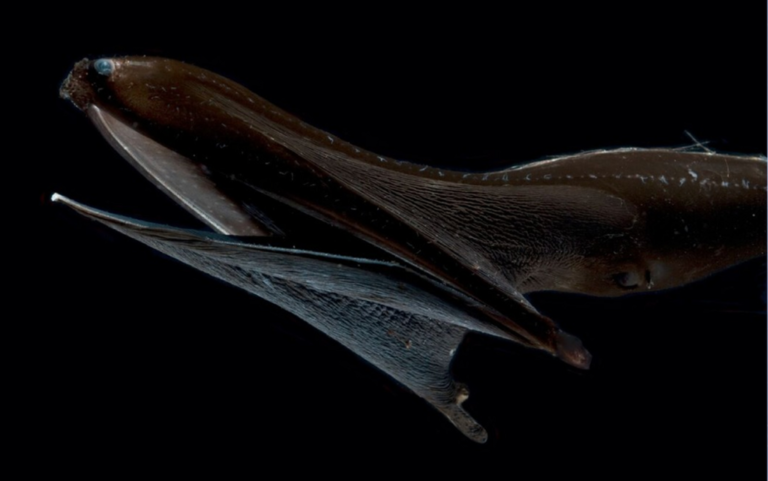
The gulper eel, also known as the pelican eel, is one of the ocean’s strangest deep-sea predators. With its enormous mouth, glowing tail, and ghostly appearance, this elusive fish thrives in the dark depths where few creatures survive. Scientists are still uncovering the secrets of its feeding habits, glowing bioluminescence, and mysterious life cycle.

Puffer fish are small, round, and surprisingly dangerous. Found in tropical and subtropical waters, these quirky fish can inflate, secrete deadly toxins, and even thrive in freshwater. Discover 12 fascinating facts and 10 colorful types that reveal why puffer fish are the ocean’s most captivating survivors.

The giant river otter is South America’s largest and most social otter species. Reaching lengths of up to six feet, these apex predators patrol the rivers of the Amazon and Orinoco with incredible teamwork. Fiercely intelligent and deeply family-oriented, giant river otters embody both the wild spirit and fragile balance of life in the world’s greatest rainforest.

I hadn’t planned on meeting one of Malaysia’s most endearing primates. During a month on Langkawi Island, I stumbled upon a troop of dusky leaf monkeys — their white-ringed eyes and calm demeanor unlike any other species I’d encountered in Southeast Asia. Curious yet shy, they watched from the treetops as I stood in quiet awe.

They’ve been called aggressive, venomous, and even dangerous—but how much of that is actually true? The hobo spider (Eratigena agrestis) has long been misunderstood. Native to Europe and now common in the Pacific Northwest, this fast-moving funnel-weaver is more fascinating than fearsome.

Living 4,000 meters deep, angler fish attract prey with bioluminescent lures. Explore their shocking mating habits and unique adaptations for survival.

Beavers are nature’s master builders—remarkable rodents whose dams and lodges transform entire landscapes. Found across North America, Europe, and Asia, these industrious animals create wetlands that support biodiversity, store water, and fight climate change.

The Javan rhino is the world’s rarest large mammal, with fewer than 80 left in Indonesia’s Ujung Kulon National Park. Learn 12 fascinating facts about this critically endangered species, its habitat, behavior, and ongoing conservation efforts.

Macaws are large, colorful parrots native to Central and South America. Species include the scarlet, blue-and-yellow, green-winged, and hyacinth macaws. Known for strong beaks, intelligence, and lifelong pair bonds, they inhabit tropical rainforests and play vital ecological roles.

Lampreys are ancient, alien-looking fish with circular mouths lined in teeth — real-life inspirations behind Hollywood monsters. But behind the horror lies a story of evolution, invasion, and overlooked conservation, reminding us that beauty often decides which species we choose to protect.

If you’re a diver or avid snorkeller, you’ve probably encountered this fish—and if you’ve ever drifted too close during mating season, you might’ve felt its wrath. Found across Indo-Pacific coral reefs, this territorial species uses its powerful jaws and sharp teeth to crush crabs, mollusks, and sea urchins.