
Wildlife Nomads · Play · Australia
Endangered Animals in Australia: From Koalas to Cassowaries
Dive through 64 Australian animals, from those doing fine to those already gone. Rank them by Australian law or by the IUCN Red List, filter by your state and see which ones are coming back.
By Cesar Medina, conservation biologist · Queensland-based · Statuses from the EPBC Act list and the IUCN Red List, checked October 2026
In October 2025, I walked the wetlands at Coombabah Lakelands on the Gold Coast, looking for bar-tailed godwits. I counted between five and fifteen of them, back from their Arctic breeding grounds. Few people know these tireless birds are now listed as Endangered in Australia. Yet they are just one of the endangered animals in Australia that most of us walk past without noticing.
I have lived in Australia for five years now and travelled the east coast from Melbourne to Cairns. Right now, we are driving a full lap of the country, finding animals and documenting everything we see. So far, our Australia lap has stopped at Red Cliff, Pebbly Beach and Nambucca Heads, among other places. Around Nambucca Heads, for example, I watched glossy black-cockatoos, a species now listed as Vulnerable.
Along the way, I keep learning how many of our animals are in trouble, and how few people realise it. So I built this explorer. Above, you can rank 64 Australian animals by national law or by the global IUCN Red List. You can also filter them by state and open each one for its story.
How Australia decides which animals are endangered
First of all, Australia keeps its own national list of endangered animals under the EPBC Act (Environment Protection and Biodiversity Conservation Act 1999). Scientists assess each species, and then the federal environment minister makes the final listing. Once listed, a species gains legal protection. For example, any project that could significantly harm it needs approval.
However, the IUCN Red List works differently. It judges each species across its whole world range and has no legal power. As a result, one animal can carry two different labels. Use the switch in the explorer above to compare them, or check the examples below.
In addition, states and territories add a third layer. The platypus, for instance, is not on the national list. Yet Victoria lists it as Vulnerable, and South Australia lists it as Endangered.
Critically endangered animals in Australia
The Critically Endangered step is where the rarest endangered animals in Australia live. Many of them now survive in a single park, island or captive colony. Here are some with the smallest known numbers.
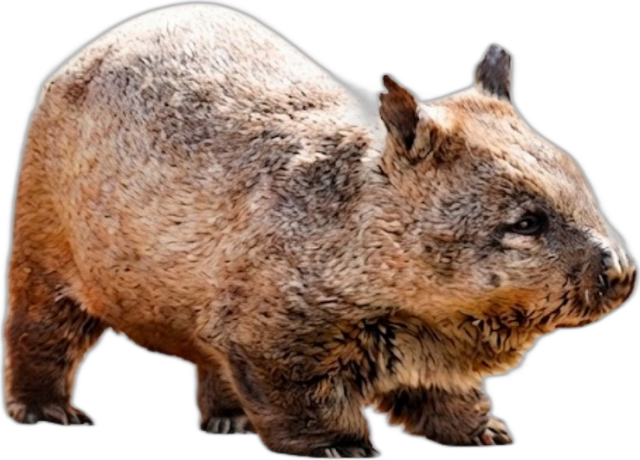
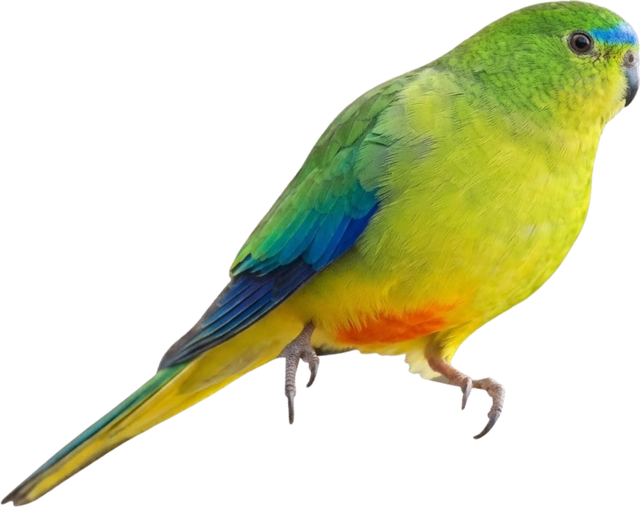
The orange-bellied parrot shows how close it can get. In 2016, only 17 birds returned from migration to their breeding grounds at Melaleuca in Tasmania. Thanks to captive breeding and releases, 86 returned in 2025. Similarly, the northern hairy-nosed wombat fell to just 35 animals in 1982. Today, there are about 400. For a shorter list of Australia's rarest animals, read my guide to the most threatened animals in Australia.
Endangered birds in Australia
Birds make up a big share of the list. For example, the swift parrot is down to about 500 birds, partly because introduced sugar gliders raid its nests in Tasmania. Meanwhile, the regent honeyeater is so rare that young males struggle to learn their own song. About 12% now sing other species' songs instead.
Migratory shorebirds are in trouble too, because they depend on wetlands along their whole route. The far eastern curlew, the world's largest sandpiper, is Critically Endangered here. I have also watched bar-tailed godwits at Noosa Spit and on North Stradbroke Island. Sadly, they have been Endangered nationally since 2024. In 2022, one young godwit flew 13,560 km non-stop from Alaska to Tasmania. You can follow that journey on my bar-tailed godwit migration map.
Black-cockatoos are another worry. For instance, Carnaby's black-cockatoo cannot forage on days of 35°C or more. In 2011, a single heat event killed 208 of them. Read more in my guide to black cockatoos in Australia.
Endangered mammals in Australia
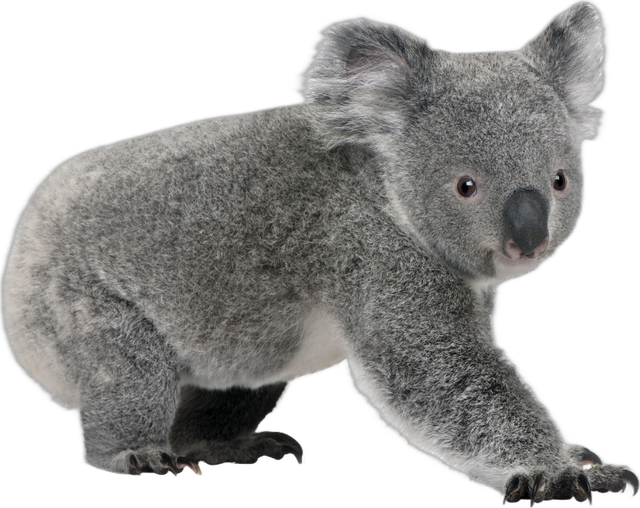
Australian mammals have suffered more than any other group. After years of habitat loss, disease and fire, the koala was listed as Endangered in 2022. That listing covers Queensland, New South Wales and the ACT. In Tasmania, a contagious facial cancer has cut devil numbers from about 53,000 in 1996 to roughly 17,000.
Meanwhile, heat is a newer threat. In November 2018, two days above 42°C near Cairns killed more than 23,000 spectacled flying-foxes. That was about a third of the species. On the other hand, some mammals are recovering. Numbats fell to about 300 in the late 1970s. Thanks to fox control and fenced reserves, there are now between 2,000 and 3,000.
Frogs, turtles, fish and insects
Smaller animals rarely make the news, yet they are vanishing fast. Chytrid fungus has pushed the southern corroboree frog to fewer than 30 in the wild. Likewise, a new virus killed about 90% of Bellinger River snapping turtles in just six weeks in 2015.
Freshwater life is also under pressure, mainly because rivers carry less water than they used to. The Murray cod, which can grow to 1.8 m, is listed as Vulnerable. In Western Australia, the tiny Margaret River burrowing crayfish digs burrows over 4 m deep to reach the water table. As the region dries, that water sinks out of reach.
Endangered animals in Australia by state
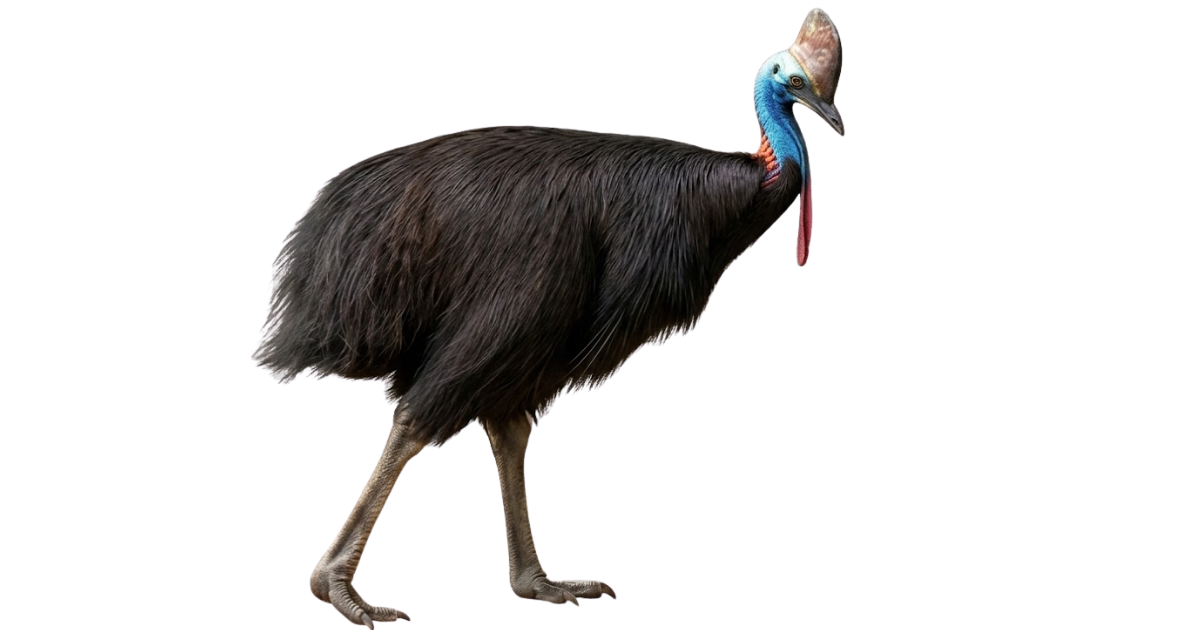
Every state and territory has its own threatened wildlife. New South Wales has the most threatened species in this explorer, closely followed by Queensland and Western Australia. Queensland alone ranges from cassowaries in the Wet Tropics to northern hairy-nosed wombats inland. By contrast, Tasmania is the last stronghold of the Tasmanian devil and the eastern quoll. Western Australia, meanwhile, protects Gilbert's potoroo, the numbat and the western swamp tortoise.
Islands matter too. Christmas Island has already lost its pipistrelle bat, and its flying-fox is now Critically Endangered. Lord Howe Island, on the other hand, is trying to bring its stick insect home after removing rats. To see the animals near you, pick your state in the explorer's filter above.
Why are so many Australian animals endangered?
Most threatened Australian species face several problems at once. Feral cats and foxes are the biggest killers of small mammals and birds. In fact, pet and feral cats together kill more than 1.5 billion native animals every year. At the same time, land clearing removes habitat, while bushfires, drought and heatwaves are becoming more extreme.
Disease also adds to the damage. Chytrid fungus has wiped out frogs, and facial tumour disease still spreads among devils. Finally, many species now live in tiny, isolated groups, so a single fire can destroy most of the remaining population. For example, the 2019 to 2020 bushfires burnt almost half of Kangaroo Island. Much of that was prime habitat for the Kangaroo Island dunnart.
Australian animals we have already lost
Since 1788, 34 of Australia's endemic mammals have been listed as extinct (Woinarski et al., 2019). That is about 10% of them, mostly lost to cats and foxes. Australia's land mammals have suffered one of the highest extinction rates recorded anywhere (Woinarski et al., 2015).
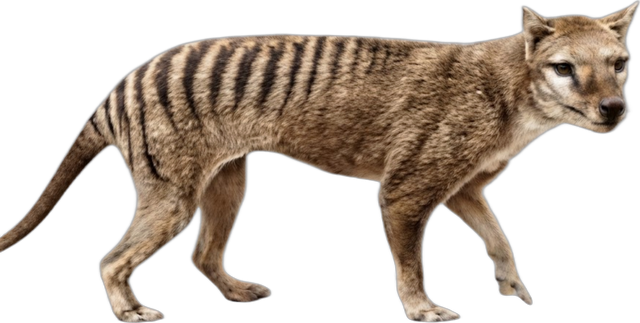
Of all the extinct species, the thylacine is the most famous loss. Between 1888 and 1909, Tasmania paid more than 2,180 bounties for thylacines. The last known one died in Hobart Zoo in 1936. More recently, the Christmas Island pipistrelle went silent in 2009. Its last echolocation call was recorded on 26 August that year. Then, in 2019, Australia formally declared the Bramble Cay melomys extinct. Rising seas had swept over its tiny Torres Strait island. As a result, it is widely called the first mammal lost to human-caused climate change.
Comebacks: Australian conservation that works
Still, there is good news too, and it matters. Humpback whales on the east coast fell to between 200 and 500 by 1962. After whaling stopped, numbers grew by about 10% a year, and the species left the national threatened list in 2022. You can watch their journey on my humpback whale migration map.
Some other rescues feel almost unbelievable. The Lord Howe Island stick insect was thought extinct after rats reached the island in 1918. Then, in 2001, scientists found 24 of them under a single shrub on Ball's Pyramid. Captive breeding has since produced thousands. Similarly, Perth Zoo has released more than 1,145 western swamp tortoises since its breeding programme began in 1989.
How you can help endangered animals in Australia
Fortunately, you can make a real difference from your own backyard. Here are simple steps that help endangered animals in Australia every day.
- Keep your cat inside, especially at night, when it would hunt native wildlife.
- Slow down at dawn and dusk on country roads, when koalas, quolls and wallabies cross.
- Plant local native trees and shrubs, and leave old hollow-bearing trees standing.
- Report sightings of rare animals to your state wildlife atlas or a citizen science app.
- Support groups that run fenced, predator-free sanctuaries and breeding programmes.
For more ideas, read my guide on how to save endangered animals. Then explore threatened species around the world in my Endangered Animals Explorer.
Quick quiz: fact or myth?
Frequently asked questions
What are the most endangered animals in Australia?
Some of the rarest are the orange-bellied parrot (86 birds returned in 2025), the southern corroboree frog (fewer than 30 in the wild), Gilbert's potoroo (about 120) and the regent honeyeater (250 to 350).
How many animals are endangered in Australia?
More than 2,100 species are listed as threatened under the EPBC Act, including plants. These are split into Vulnerable, Endangered and Critically Endangered, plus species listed as extinct.
Is the koala endangered?
Yes, in part of its range. Koalas in Queensland, New South Wales and the ACT were listed as Endangered in 2022. Globally, the IUCN lists the koala as Vulnerable.
Why are Australian animals going extinct?
Feral cats and foxes are the main cause of mammal extinctions, together with land clearing, bushfires, disease and climate change. Small, isolated populations are especially at risk.
What endangered birds live in Australia?
Threatened Australian birds include the swift parrot, regent honeyeater, orange-bellied parrot, night parrot, far eastern curlew, bar-tailed godwit and Carnaby's black-cockatoo.
References
- Woinarski, J. C. Z., Braby, M. F., Burbidge, A. A., Coates, D., Garnett, S. T., Fensham, R. J., Legge, S. M., McKenzie, N. L., Silcock, J. L., & Murphy, B. P. (2019). Reading the black book: The number, timing, distribution and causes of listed extinctions in Australia. Biological Conservation, 239, Article 108261. https://doi.org/10.1016/j.biocon.2019.108261
- Woinarski, J. C. Z., Burbidge, A. A., & Harrison, P. L. (2015). Ongoing unraveling of a continental fauna: Decline and extinction of Australian mammals since European settlement. Proceedings of the National Academy of Sciences, 112(15), 4531–4540. https://doi.org/10.1073/pnas.1417301112



