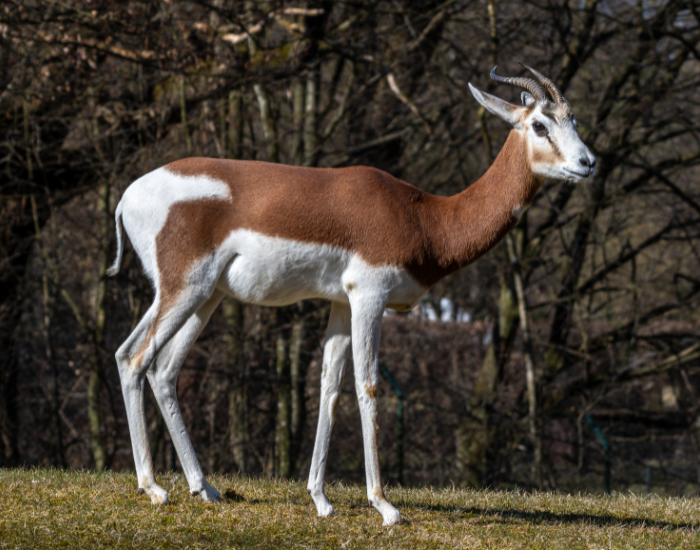
Biodiversity, also known as biological diversity, encompasses the vast array of life on Earth, from towering redwoods to microscopic bacteria. It’s the intricate web that connects all living organisms, forming the foundation of ecosystems that sustain life. But why is biodiversity important? We previously wrote an article about why people preserve nature, and the desire to, but let’s delve into its significance and the critical role it plays in our world.
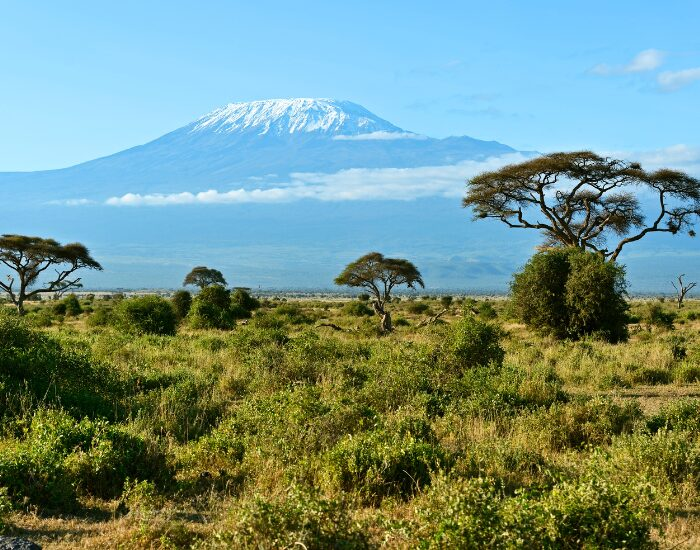
What Is Biodiversity?
Biodiversity refers to the variety of all life forms on Earth, including plants, animals, microorganisms, the genetic information they contain, and the ecosystems they form within the natural world. It’s typically categorized into three levels:
-
Genetic Diversity: The variation of genes within species.
-
Species Diversity: The variety of species within a habitat or region.
-
Ecosystem Diversity: The diversity of ecosystems in a given area.
This diversity is not just about the number of species, but also the complexity of interactions among them and their environments.
The Importance of Biodiversity
Biodiversity is fundamental to the health of the planet and human well-being. Biodiversity supports both human and animal life by providing essential resources such as food, clean water, and medicine. Here are six compelling reasons highlighting its importance:
1. Provision of Essential Resources
Biodiversity is a cornerstone of our daily sustenance and global food security:
-
Food Security: A diverse range of crops and livestock ensures a stable and resilient food supply. Different species offer various nutrients and can adapt to changing environmental conditions, safeguarding against crop failures. The decline of pollinators is a significant threat to agricultural productivity, directly impacting global food security.
-
Medicinal Resources: Many medicines are derived from natural compounds found in plants, animals, and microorganisms. Preserving biodiversity maintains a reservoir of potential treatments for various ailments.

2. Ecosystem Services
Healthy ecosystems provide services that are vital to human survival
-
Pollination: Insects like bees and butterflies pollinate crops, facilitating fruit and seed production.
-
Water Purification: Wetlands and forests filter pollutants, ensuring clean water supplies.
-
Climate Regulation: Forests and oceans act as carbon sinks, mitigating the effects of climate change.
These services are indispensable and often irreplaceable by human-made alternatives.

3. Economic Benefits
What is the economic value of nature? We wrote an article deepening into this topic, but in anutshell, biodiversity underpins industries and livelihoods: by providing essential natural resources such as:
-
Agriculture and Fisheries: A variety of species ensures robust and resilient yields.
-
Tourism: Natural landscapes and wildlife attract millions of tourists annually, supporting local economies.
-
Job Creation: Sectors like agriculture, pharmaceuticals, and ecotourism rely on biodiversity, providing employment opportunities worldwide.
4. Cultural Significance
Biodiversity enriches cultures and traditions:
-
Spiritual Value: Many cultures revere certain species and natural sites, integrating them into religious and spiritual practices. Biodiversity enriches cultures and traditions by preserving natural habitats that hold spiritual and aesthetic value.
-
Aesthetic Appreciation: Natural beauty inspires art, literature, and recreation, contributing to human well-being and societal development.

5. Scientific Understanding
Studying diverse species enhances our knowledge:
-
Studying diverse species, including plant species, enhances our knowledge of ecosystem functions and resilience.
-
Ecological Insights: Understanding different organisms helps us learn about ecosystem functions and resilience.
-
Innovation: Nature often serves as a blueprint for technological advancements through biomimicry.

6. Resilience to Climate Change
Ecosystems rich in biodiversity, with many species, are more adaptable to a changing climate:
-
Climate Adaptation: Diverse ecosystems can better withstand and recover from environmental stresses, such as climate fluctuations and natural disasters.
-
Disease Resistance: Genetic diversity within species can reduce vulnerability to diseases and pests. The more variety, the more chances to survive.
Current Challenges to Biodiversity: Invasive Species
Despite its importance, biodiversity is under threat:
-
Habitat Destruction: Urbanization, deforestation, and agriculture lead to habitat loss. Invasive species pose a significant threat to native ecosystems and biodiversity.
-
Pollution: Contaminants like pesticides and industrial waste harm ecosystems. Population growth, alongside urbanization and deforestation, contributes to habitat destruction and increased interactions between wildlife and humans.
-
Climate Change: Altered temperatures and weather patterns disrupt habitats and species distributions.
-
Overexploitation: Unsustainable hunting, fishing, and harvesting deplete species populations.
These activities have accelerated species extinction rates, with significant declines observed across various groups, leading to alarming levels of species extinctions.
Preserving Biodiversity: What Can Be Done?
Maintaining biodiversity requires collective action. Maintaining biodiversity requires collective action to protect the natural world and its intricate ecosystems:
-
Protected Areas: Establishing and managing reserves to safeguard critical habitats.
-
Sustainable Practices: Implementing eco-friendly agriculture, fishing, and forestry methods.
-
Pollution Control: Reducing waste and emissions to minimize environmental impact.
-
Climate Action: Mitigating climate change through reduced greenhouse gas emissions and adaptation strategies.
-
Community Engagement: Educating and involving local communities in conservation efforts.
International initiatives, such as the UN Decade on Ecosystem Restoration, aim to promote these actions globally. Wikipedia
Biological diversity, or biodiversity, is not just about the richness of life on Earth; it’s about the intricate connections that sustain ecosystems and human societies. Its preservation is essential for our survival, well-being, and the health of the planet. By understanding and valuing biodiversity, we can take meaningful steps toward ensuring a sustainable and thriving world for future generations.