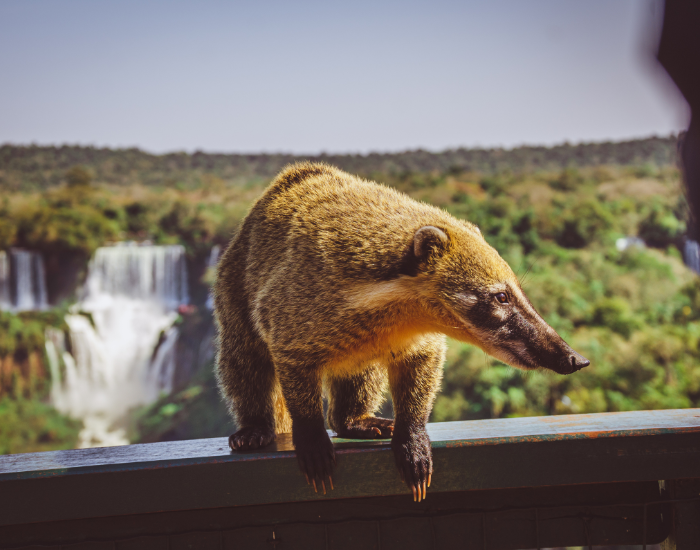
Coatimundi: The Surprisingly Clever Climber of the Wild
At first glance, coatimundis look like raccoons with extra confidence. But once you learn how they live, move, and think, they become seriously hard not to love.
From the Amazon rainforest to the Andean peaks and Caribbean coasts, Colombia is one of the most biodiverse countries on Earth. Discover the animals of Colombia, explore its unique ecosystems, and learn about the conservation projects protecting its incredible wildlife.
At first glance, coatimundis look like raccoons with extra confidence. But once you learn how they live, move, and think, they become seriously hard not to love.

Herons are the unsung predators of wetlands. Some use tools to fish, others turn into umbrellas. Here are 15 species that prove these birds are anything but boring.

Not all green frogs are the same. Learn how to identify northern green frogs, bullfrogs, green tree frogs, mink frogs, wood frogs, Cuban tree frogs, and more.

Don’t let their size fool you, many poisonous tree frogs carry enough toxin to stop predators instantly. Here are 20 of the most striking and deadly species found across the tropics.

Pacman frogs (Ceratophrys) are eight species of South American horned frogs named for their enormous mouths and aggressive feeding behavior.

Silent wings, heart-shaped faces, and ghostly beauty — barn owls are among the world’s most captivating night hunters. Found on nearly every continent, these birds combine elegance with ecological importance. Discover fascinating facts about their behavior, habitat, and the vital role they play in keeping ecosystems in balance.

Few creatures are as recognizable as the animal armadillo. With that tough armor, a snuffling nose, and a very comical walk, this small mammal resembles a big armored guinea pig crossed with a medieval knight. However, behind that quirky exterior…

You might think you’d notice a walking stick on a branch, but the truth is, you probably wouldn’t. Stick bugs are nature’s illusionists, camouflaged, self-replicating, and full of surprises.

Puma Yagouaroundi facts, habitat, and behavior explained. Uncover the secrets of this elusive wild cat found from Mexico to Argentina.
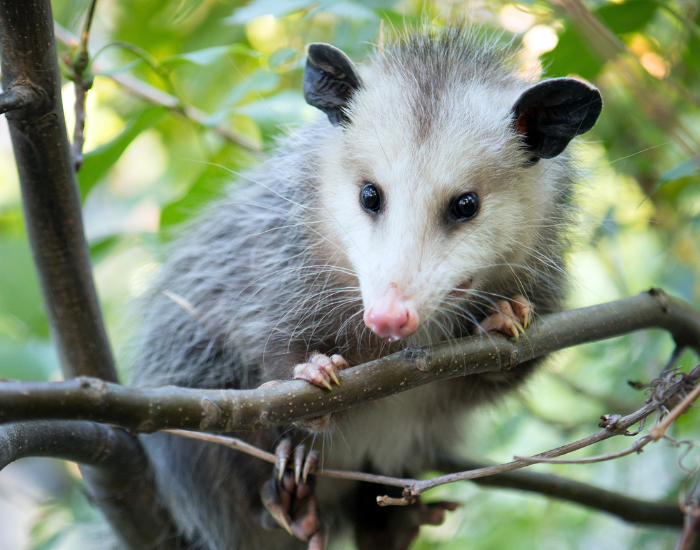
The family Didelphidae, better known as the American opossums, is one of nature’s oldest surviving marsupial lineages. In this guide, you’ll discover 12 fascinating facts about their biology, behavior, and survival strategies, plus meet 10 remarkable species

Learn amazing facts about boa constrictors — powerful snakes that can grow over 13 feet long, crush prey with ease, and thrive across tropical America.

The giant river otter is South America’s largest and most social otter species. Reaching lengths of up to six feet, these apex predators patrol the rivers of the Amazon and Orinoco with incredible teamwork. Fiercely intelligent and deeply family-oriented, giant river otters embody both the wild spirit and fragile balance of life in the world’s greatest rainforest.

Macaws are large, colorful parrots native to Central and South America. Species include the scarlet, blue-and-yellow, green-winged, and hyacinth macaws. Known for strong beaks, intelligence, and lifelong pair bonds, they inhabit tropical rainforests and play vital ecological roles.

Ever wondered what’s the difference between an alligator and a crocodile—or how caimans and gharials fit into the picture? These ancient reptiles may look like prehistoric twins, but their snout shapes, jaw structures, and habitats tell four very different stories.

Discover the fascinating world of primate species! From great apes to lemurs, explore over 500 types of primates, their habitats, and conservation status in this comprehensive guide.