
The Fearless Honey Badger
Few animals have earned as much respect, and fear, as the honey badger (Mellivora capensis). Known across the animal kingdom as one of the most fearless creatures on Earth, this small but mighty mammal has a reputation for taking on predators many times its size. From venomous snakes to lions, honey badgers are survivors, fierce, resourceful, and remarkably intelligent.
Let’s dive into twelve fascinating facts about nature’s most audacious warrior, the honey badger.
1. The Honey Badger’s Scientific Name and Classification
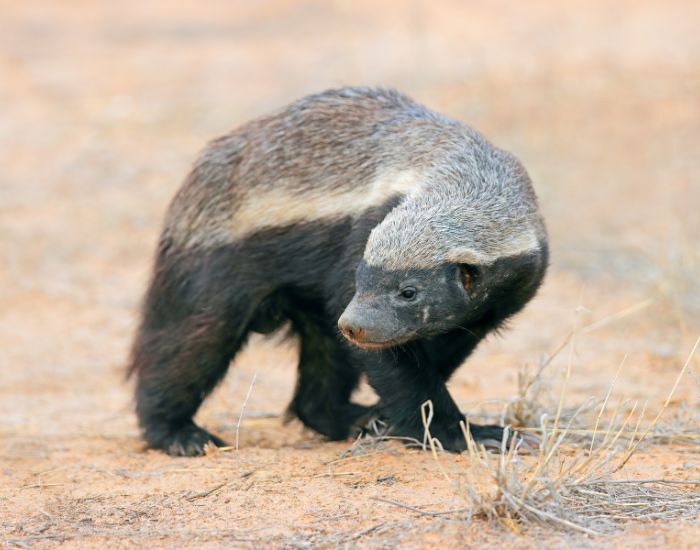
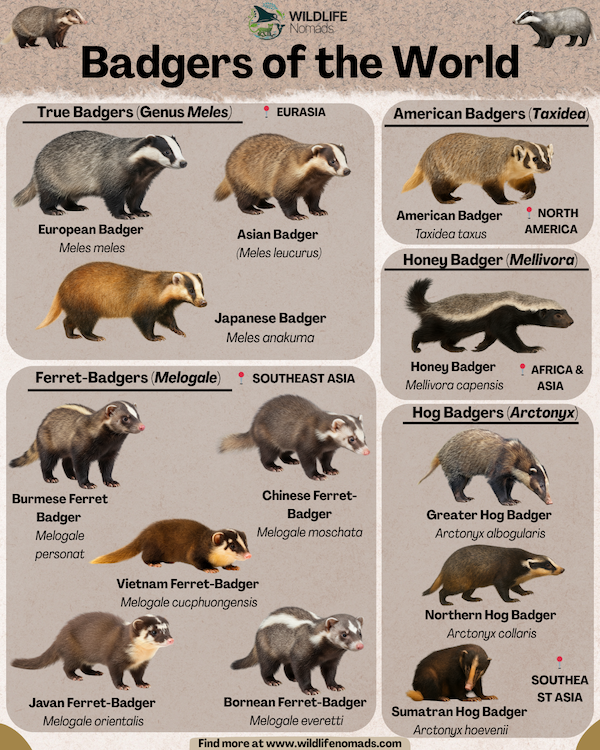
The honey badger scientific name is Mellivora capensis, and it belongs to the Mustelidae family, the same group that includes otters, ferrets, and weasels. Within this family, honey badgers are a remarkable example of mammalian species and sit alone in their own subfamily, Mellivorinae, making them a unique evolutionary branch.
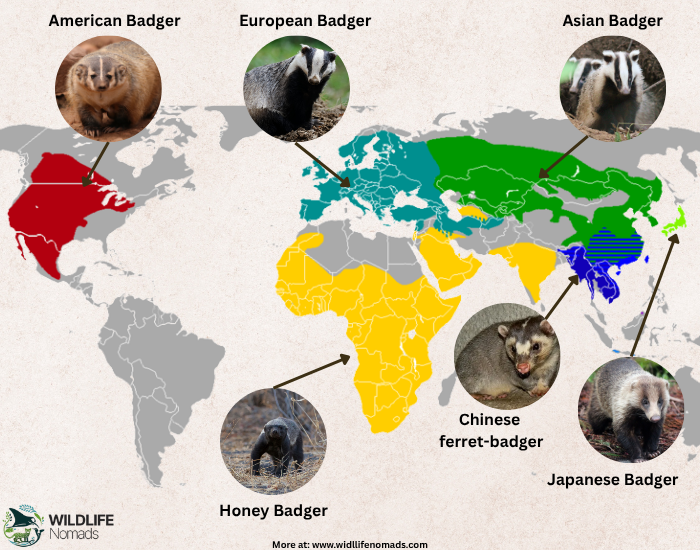
Despite being called a “badger,” they’re more closely related to weasels than to European or American badgers. Honey badgers are classified within the broader group of badger species, but they are unique among them due to their distinct evolutionary lineage. Compared to ferret badgers, which are found primarily in East and Southeast Asia and belong to a different genus, honey badgers differ significantly in taxonomy and geographic distribution. The scientific name Mellivora comes from Latin, mel meaning “honey” and vorare meaning “to devour.” Aptly, it translates to “honey eater,” which perfectly describes this fearless animal’s sweet tooth.
The weasel family connection explains many of the honey badger’s physical traits. Notable subspecies of honey badger include the Indian ratel (found in India, Nepal, and Pakistan), Lake Chad ratel (around the Lake Chad region), Nepalese ratel (in Nepal), Persian ratel (in Iran and neighboring areas), and speckled ratel (in Central Asia and parts of Africa), each with unique geographic distributions and characteristics. However, unlike other badgers, honey badgers display unique characteristics that set them apart from other members of their taxonomic group.
2. Where Honey Badgers Live in the World
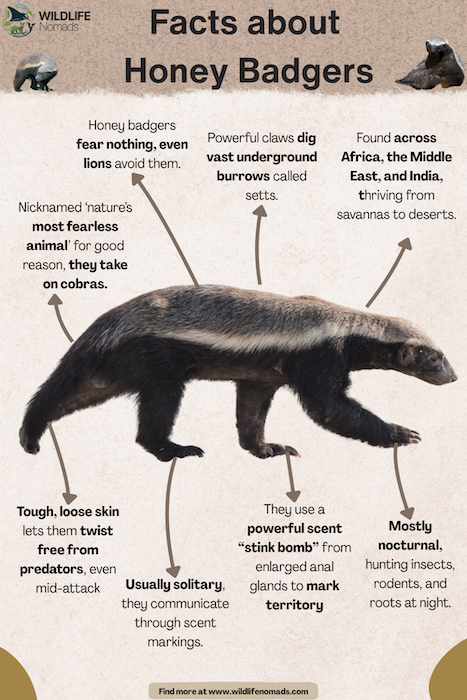
Honey badgers have one of the widest distributions of any carnivore in Africa and Asia. They’re found across sub-Saharan Africa, the Middle East, and even parts of the Indian subcontinent. Honey badgers found in these regions often interact with local farmers and beekeepers, highlighting their adaptability and presence throughout these diverse areas. From dry savannas and thorn scrublands to forests and deserts, they adapt remarkably well to different environments.
Wild honey badgers don’t live in the USA, despite frequent online myths. Their range covers nearly every type of terrain except dense tropical rainforests and extreme deserts. In South Africa, they’re often seen in national parks like Kruger National Park. They’re equally at home in the rugged landscapes of Ethiopia, the Middle East, India, and Nepal.
These solitary animals maintain large home ranges. Male honey badgers may roam territories exceeding 500 square kilometers in search of food and mates. Their adaptability to various habitats contributes to their survival success across such a vast geographic range. In rocky habitats, honey badgers often take shelter in rock crevices, using these natural formations as dens or sleeping spots.
3. Physical Powerhouses With Thick Skin
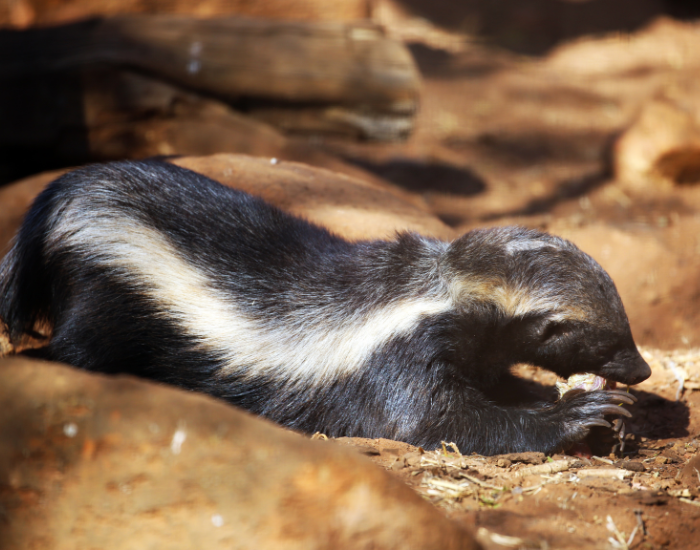
One of the honey badger’s most astonishing traits is its thick, loose skin. It’s so tough that it can resist bee stings, porcupine quills, snake fangs, and even dog bites. The honey badger’s hair is coarse and thick, providing an extra layer of protection against bee stings and snake fangs. This elasticity allows the animal to twist and bite back even when grabbed by a predator, an incredible survival mechanism.
Beneath that black-and-white coat lies skin up to 6 mm thick, fortified by dense hair and tough connective tissue. The loose skin around the neck and shoulders makes it nearly impossible for predators like lions or leopards to get a secure grip. Honey badger cubs are born with pink skin, which is hairless and delicate at birth.
Those viral videos of honey badgers shrugging off snake venom are based on truth. Scientists have confirmed that they possess some resistance to toxins from venomous snakes species like puff adders and cobras. Their thick skin and dense hair help protect them from snake fangs. This snake venom resistance gives them a remarkable advantage when hunting dangerous prey species.
4. Honey Badgers Eat Just About Anything
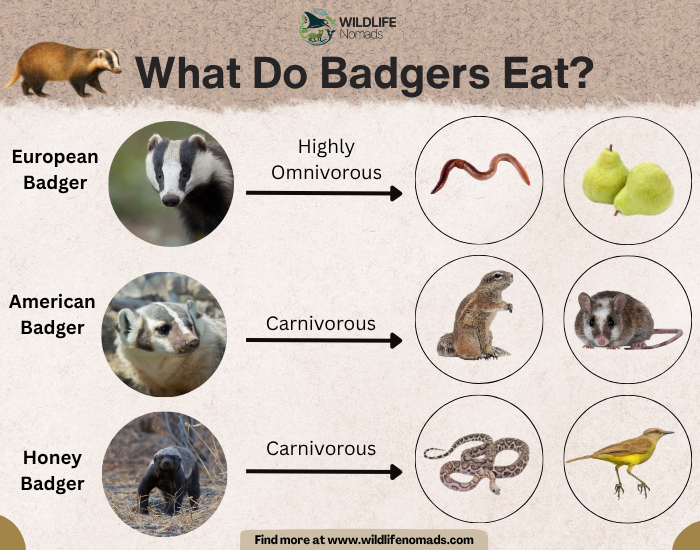
Honey badgers are true opportunistic omnivores. They eat bee larvae, honey, insect larvae, small mammals, reptiles, fruits, and even roots when food is scarce. Honey badgers also eat fruits as part of their opportunistic feeding, especially in dry conditions when liquids are scarce. Their diverse diet makes them successful survivors in harsh environments.
Their strong forelimbs and long claws make them expert diggers, capable of unearthing burrowing prey like rodents, scorpions, and snakes. Honey badgers prey on a wide range of animals, including mole snakes and yellow mongooses, demonstrating their adaptability and effectiveness as predators. They’re also known to steal prey from other animals, boldly chasing away jackals or scavenging leftovers from lion kills.
In southern Africa, researchers have observed honey badgers raiding beehives despite being stung hundreds of times. Their obsession with honey and bee brood earned them their name, and their legendary status as nature’s most determined forager. However, bee larvae found in honey are their primary target rather than the honey itself.
5. They Hunt Venomous Snakes… and Win
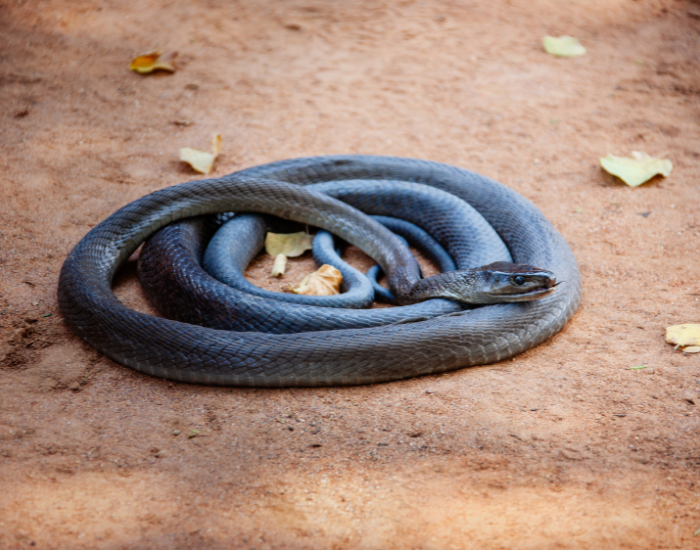
Few predators dare to take on venomous snakes like puff adders or cobras, but for honey badgers, it’s just another meal. They’ve evolved partial immunity to venom, thanks to molecular adaptations in their nicotinic acetylcholine receptors, the same biological mechanism seen in mongoose species.
When bitten, honey badgers may experience temporary paralysis. However, they often wake up a few hours later and finish eating the snake that bit it. Observations in Kruger National Park have documented honey badgers taking down venomous snakes several times their length with astonishing skill and precision.
This snake venom resistance isn’t complete immunity. Therefore, multiple bites or bites from particularly venomous snakes can still prove fatal. Nevertheless, their tolerance far exceeds that of most other animals.
6. A Built-In Chemical Weapon: The Stink Bomb
As if fangs and claws weren’t enough, honey badgers have anal glands near the base of the tail that produce a foul-smelling secretion — often described as a “stink bomb.” These glands are notably enlarged anal glands, which allow honey badgers to release a particularly potent secretion as a chemical defense mechanism against predators and rivals. These glands serve multiple purposes in honey badger communication and defense.
This scent-marking fluid is used to mark their territory and deter predators. The smell is so potent that early naturalists compared it to a skunk’s spray. The glands can also swell dramatically when the animal is threatened. In some cases, the discharge is used defensively to drive off larger animals.
It’s one of many adaptations that make honey badgers icons of survival and resilience. However, unlike skunks, the honey badger’s odor doesn’t last as long in the environment.
7. Fearless and Fierce Animal Behaviour
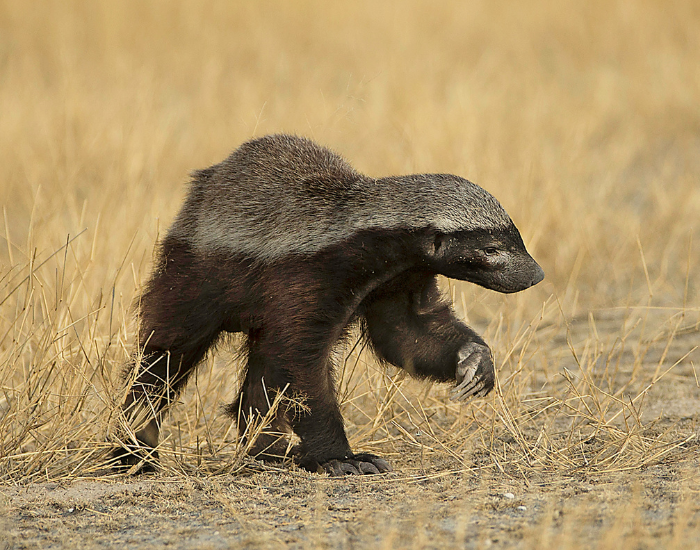
Honey badgers are solitary animals, fiercely territorial and known for their short tempers. They’ll take on almost any creature that threatens them — even lions. In Botswana, field researchers documented a single honey badger fending off a pride of lions by lunging and snarling, forcing them to retreat.
While their aggression is legendary, it’s mostly defensive. They prefer avoiding conflict when possible but respond with overwhelming force when provoked. This is why they’re considered the “most fearless animal in the world,” a title once acknowledged by the Guinness Book of World Records.
Their reputation for attacking lions and other large predators is well-documented. However, captive honey badgers display similar fearless behavior, often escaping enclosures through remarkable problem-solving abilities.
8. Communication Through Scent and Sound
Honey badgers communicate mainly through scent marking, leaving chemical signals from their anal glands on rocks, logs, and termite mounds. These scents convey information about sex, age, and territory boundaries. Scent glands play a crucial role in how honey badgers navigate their large home ranges.
They also use a range of vocalizations, growls, hisses, and high-pitched screams, particularly during mating season or when warding off predators. Their deep, rattling growl has been compared to that of a much larger animal, helping them sound far more intimidating than their size suggests.
9. Mating, Honey Badger Cubs, and Life Cycle
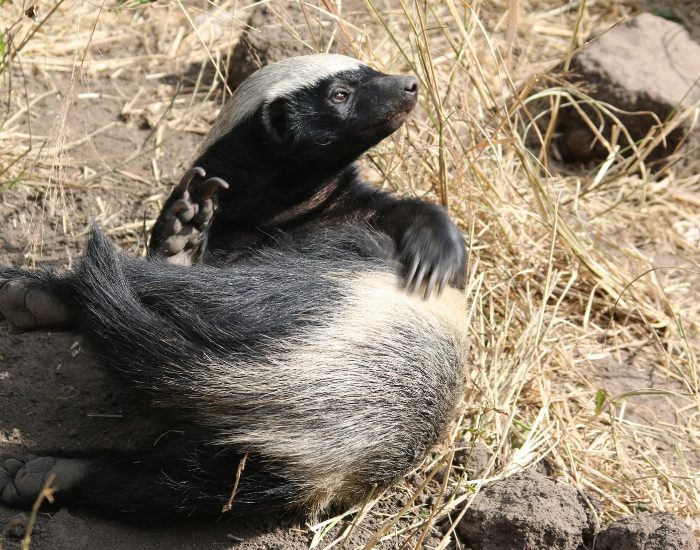
Honey badgers mate year-round, though breeding peaks after the rainy season when food is abundant. After a gestation period of 50–70 days (approximately 6–10 weeks), the female gives birth to one or two cubs in a burrow.
The honey badger life cycle is slow and deliberate. Honey badger cubs are born blind and helpless, relying entirely on their mother for warmth and protection. They’re weaned after about eight to twelve weeks and stay with her for twelve to sixteen months as she teaches them how to hunt.
Male honey badgers reach sexual maturity at two to three years of age, while females mature earlier at twelve to sixteen months. This extended period of maternal care is crucial for cub survival. In captivity, honey badgers can live up to 24 years, though their lifespan in the wild is estimated at 7–12 years.

10. Natural Predators and Survival Tactics
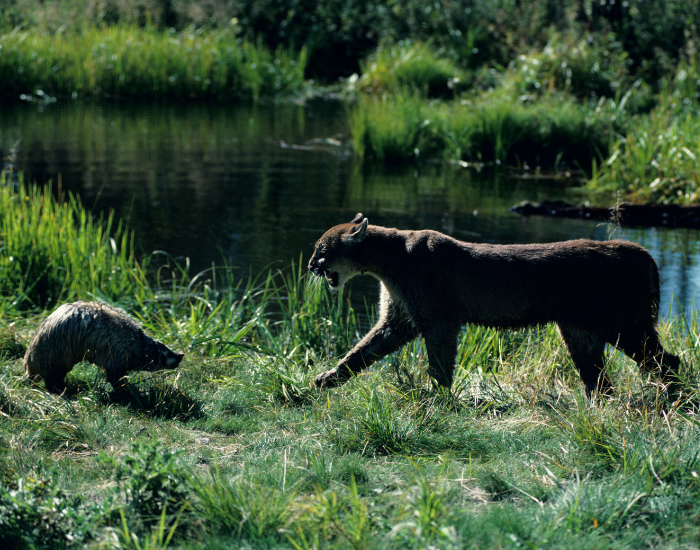
Even the most fearless animal has enemies. Honey badgers occasionally fall prey to leopards, lions, and hyenas. However, many predators avoid them because of their thick skin and ferocity.
They use a mix of strategies to survive: retreating into burrows, releasing odoriferous secretions, and twisting out of grips using their loose hide. They’ve even been seen playing dead when severely injured, tricking predators before making a surprise counterattack.
Few natural predators successfully hunt adult honey badgers. Young cubs are more vulnerable during their early months. Nevertheless, the combination of thick skin, fierce defensive abilities, and chemical weapons makes honey badgers formidable opponents for any predator species.
11. Conservation Status and Threats
According to the IUCN Red List, honey badgers are currently classified as Least Concern. This means honey badgers are not considered endangered at present. However, conservation biology plays a key role in monitoring their status, assessing threats, and informing protection efforts to ensure they do not become at risk in the future. Populations are declining in some regions due to habitat loss, persecution, and the illegal wildlife trade.
In rural areas, they’re sometimes trapped or poisoned by farmers who view them as livestock predators or crop pests. Their body parts are also used in traditional medicine in parts of Africa and Asia. This human-wildlife conflict poses the greatest threat to local populations.
Conservation groups such as the Endangered Wildlife Trust in South Africa are working to promote human-wildlife coexistence. They use education programs and camera-trap monitoring to reduce conflicts. Protecting their natural habitats, particularly in sub-Saharan Africa, remains essential for long-term honey badger conservation.
Despite their wide distribution, honey badgers are not common anywhere in their range. Their elusive nature means populations could reach critically low levels without conservation authorities being aware. Therefore, ongoing monitoring is crucial.
12. Intelligence and Problem-Solving Skills
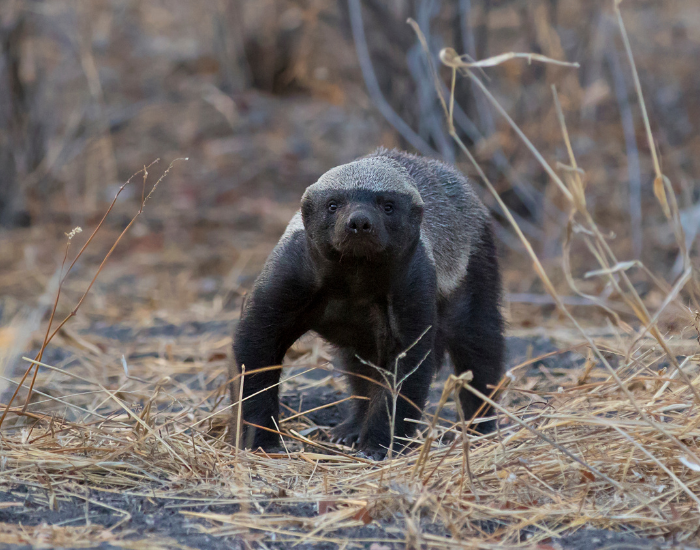
Honey badgers aren’t just brave, they’re clever. In captivity, they’ve been observed using tools, opening latches, climbing fences, and solving complex problems to escape enclosures. These demonstrations of intelligence rival those of primates.
The most famous example comes from a South African sanctuary where a honey badger named “Stoffel” repeatedly broke out by stacking rocks and sticks to climb over his fence. This act of intelligence astonished researchers and went viral online, showcasing the species’ remarkable cognitive abilities.
This cognitive flexibility mirrors that of primates and corvids. It further proves that survival isn’t just about strength, it’s about smarts. Captive honey badgers regularly outsmart their keepers, demonstrating persistent determination and creative thinking.
Honey Badger Height, Size, and Physical Traits
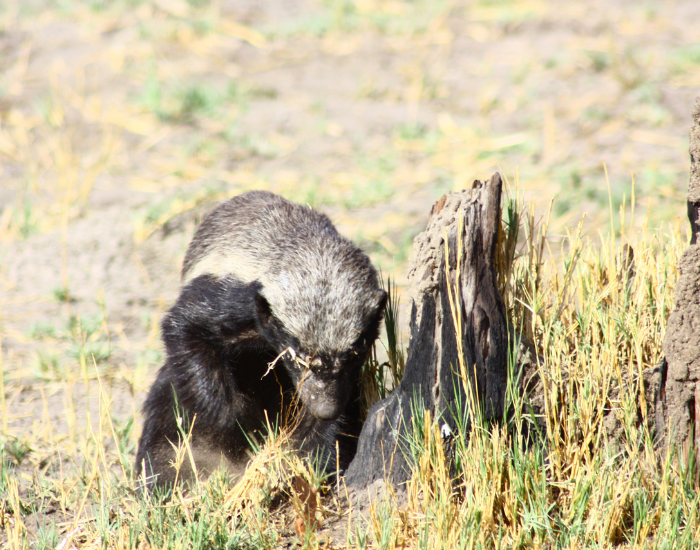
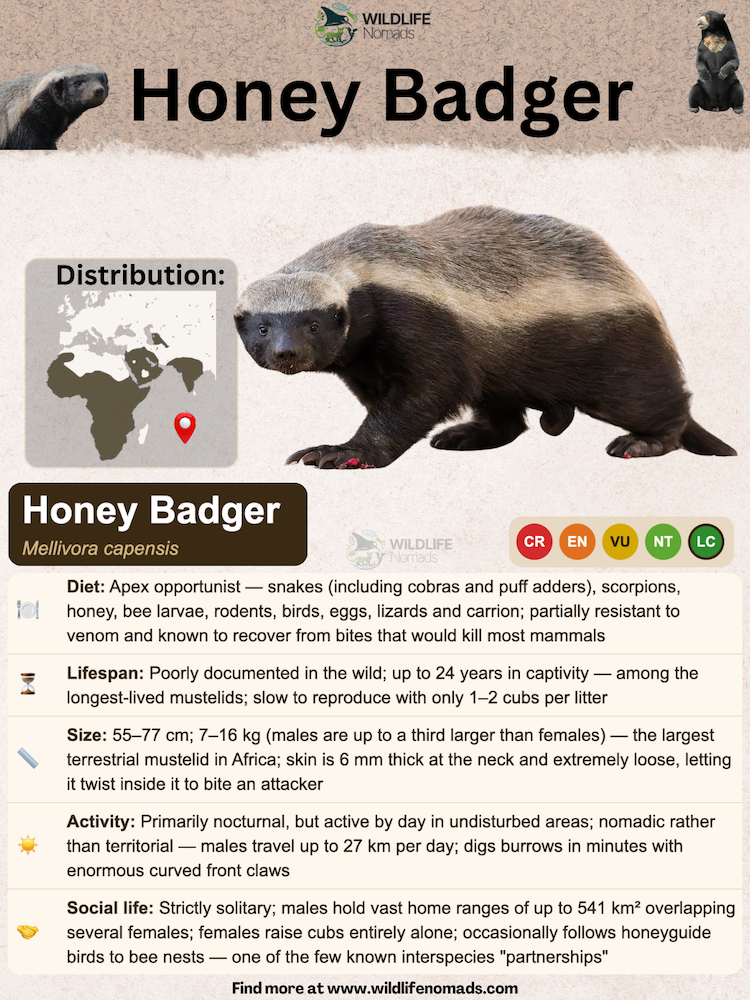
A full-grown honey badger stands roughly 23–28 cm tall at the shoulder. Adult honey badgers have a body length of 55–77 cm and weigh between 5–16 kg. Males are usually larger than females, displaying mild sexual dimorphism.
They have short, powerful hind legs and elongated claws adapted for digging and tearing. Their coarse hair ranges from grey to black, with a pale dorsal stripe that acts as a warning signal, a natural “don’t mess with me” sign in the animal kingdom.
Male honey badgers typically weigh 9–16 kg in Africa, while females weigh 5–10 kg on average. This size variation helps them adapt to different habitats and prey availability across their range.
The Honey Badger’s Role in the Ecosystem
Despite their aggressive reputation, honey badgers play an important ecological role. By digging for food, they aerate the soil, helping seed dispersal and nutrient cycling. Their abandoned burrows provide shelter for smaller animals like scrub hares, bat-eared foxes, and even mongoose species.
In this way, honey badgers are unintentional ecosystem engineers, shaping the environment as they live their solitary, fearless lives. Their foraging activities benefit numerous other animal species that share their habitat.
Have a look at other ecosystem engineers:
- Prairie Dog: The Ecosystem Engineers of the Grasslands
- The Beaver Effect: How One Species Rebuilds Entire Landscapes
Interaction with Other Animals
Honey badgers are notorious for their bold interactions with other animals, earning a reputation as one of the most fearless creatures in the wild. When honey badgers hunt, they target a remarkable variety of prey species, ranging from small mammals and reptiles to insects like bee larvae. Their ability to withstand bee stings and resist snake venom gives them a unique edge, allowing them to raid beehives and take down venomous snakes that most predators avoid.
But the honey badger’s audacity doesn’t stop at hunting. These resourceful mammals have been observed stealing food from much larger predators, including lions and leopards. Thanks to their thick skin and loose hide, honey badgers can twist free from an attacker’s grip and retaliate with powerful bites, making them a formidable opponent even for the kings of the savanna.
In the intricate web of their ecosystem, honey badgers also interact with other animals in surprising ways. For instance, they sometimes follow bat-eared foxes and cape foxes, taking advantage of the insects and small mammals these foxes flush out while foraging. This opportunistic behavior allows honey badgers to maximize their food intake with minimal effort.
Frequently Asked Questions
Yes, honey badgers are famously aggressive when threatened. They usually avoid confrontation but will fiercely defend themselves or their cubs from any threat. Their fearless animal behavior makes them formidable opponents.
They’re native to sub-Saharan Africa, the Middle East, India, and Nepal. They don’t occur naturally in the United States. Their habitat includes savannas, forests, grasslands, and rocky terrain.
Honey badgers have evolved partial resistance to venom, allowing them to survive bites from venomous snakes species like puff adders and cobras. However, this isn’t complete immunity, and multiple bites can still be dangerous.
Honey badgers eat a wide variety of foods including bee larvae, honey, small mammals, snakes, insects, fruits, and roots. They’re opportunistic omnivores with one of the most diverse diets among carnivores.
Large carnivores such as lions, leopards, and hyenas may prey on them. However, most predators avoid confrontation due to honey badger ferocity and defensive capabilities.
In Summary
Honey badgers are paradoxes, small but indomitable, solitary yet essential to their ecosystem. Their combination of toughness, intelligence, and adaptability makes them one of the most remarkable mammals in the animal kingdom.
In a world where size often defines power, honey badgers remind us that resilience and courage can make even the smallest creatures legendary. These fearless animals continue to fascinate researchers and wildlife enthusiasts worldwide, proving that determination trumps size in the struggle for survival.
Further Reading
Find Safaris to see Animals in Africa!
This blog is reader-supported. When you buy experiences through links listed on this site, we may earn an affiliate commission.
References:
Begg, C. M., Begg, K. S., Du Toit, J. T., & Mills, M. G. L. (2003). Scent-marking behaviour of the honey badger, Mellivora capensis (Mustelidae), in the southern Kalahari. Animal Behaviour, 66(5), 917–929. https://doi.org/10.1006/anbe.2003.2223
Do Linh San, E., Begg, C., Begg, K., & Abramov, A. V. (2016). Mellivora capensis. The IUCN Red List of Threatened Species 2016: e.T41629A45210107. https://dx.doi.org/10.2305/IUCN.UK.2016-1.RLTS.T41629A45210107.en
Drabeck, D. H., Dean, A. M., & Jansa, S. A. (2015). Why the honey badger don’t care: Convergent evolution of venom-targeted nicotinic acetylcholine receptors in mammals that survive venomous snake bites. Toxicon : official journal of the International Society on Toxinology, 99, 68–72. https://doi.org/10.1016/j.toxicon.2015.03.007
Gil-Sánchez, J. M., et al.,(2020). Feeding Specialization of Honey Badgers in the Sahara Desert: A Trial of Life in a Hard Environment. Diversity, 12(2), 59. https://doi.org/10.3390/d12020059
Harris, R. J., & Fry, B. G. (2021). Electrostatic resistance to alpha-neurotoxins conferred by charge reversal mutations in nicotinic acetylcholine receptors. Proceedings. Biological sciences, 288(1942), 20202703. https://doi.org/10.1098/rspb.2020.2703
Kollias, G. V., & Fernandez-Moran, J. (2015). Mustelidae. Fowler’s Zoo and Wild Animal Medicine, Volume 8, 476–491. https://doi.org/10.1016/B978-1-4557-7397-8.00048-7