I have never personally owned a pet reptile, but as a biologist, I worked during at zoo for some time taking care of amphibians like poison dart frogs, and many reptiles including crocodiles, monitor lizards, a couple of gila monsters, a tegu and many other under strict husbandry protocols. Many of my closest friends are reptile breeders who keep dozens of pets at home, entire rooms of them. From that vantage, here are 13 reptiles worth knowing as pets: the ones that thrive in captivity, the ones that suffer without proper care, and the honest reasons why.
A reptile is not a low-maintenance dog in a scaly costume. These animals are exotherms that depend on a precise thermal gradient, controlled humidity, and species-specific UVB to live a healthy life. Get those wrong and the reptile slowly declines. Get them right and you share your home with pets whose biology is genuinely alien, and that, for reptile lovers, is the fun of it.
What Makes a Reptile a Good Pet
Pet reptiles fall into three broad categories: lizards, snakes, and turtles or tortoises. Each demands a precise habitat, the right humidity, special lighting, and a proper diet. The best pets for you depend on your room, schedule, and tolerance for managing live insects. Unlike dogs, reptiles tolerate handling but rarely seek it.
Lizards are the most active pets in this group, from nocturnal geckos to diurnal baskers. Snakes appeal to keepers who want simpler feeding — a frozen-thawed mouse weekly. Turtles and tortoises live longest. The difference between aquatic turtles (filtered swimming volume) and tortoises (dry floor area and greens) matters enormously. Before bringing a new pet home, build the habitat first. A reptile in an unfinished enclosure suffers chronic stress.
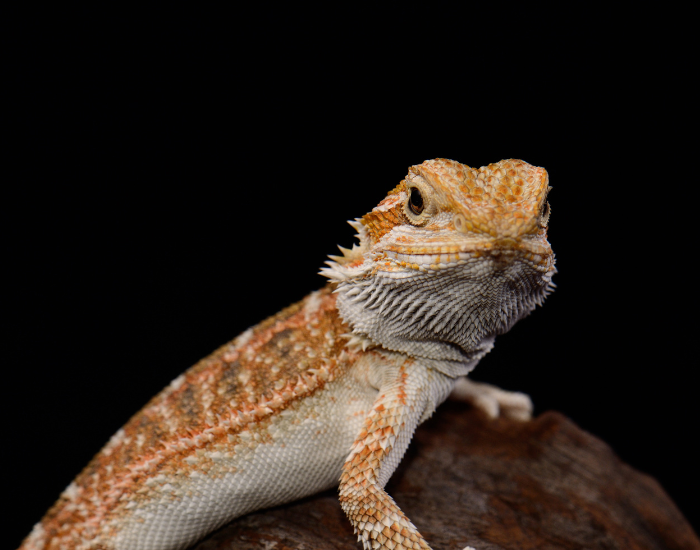
1. Bearded Dragon (Pogona vitticeps)
If I had to recommend one reptile for a first-time keeper, it would be the bearded dragon. These small- to medium-sized lizards from arid Australia have a calm temperament and an interactive nature that almost feels like curiosity. My breeder collegue in Australia call bearded dragons the golden retrievers of reptile keeping.
Bearded dragons need a warm basking spot around 100–110°F, strong UVB lighting, and a balanced diet of crickets and dark leafy greens. Their omnivory makes these pets more forgiving than strict carnivores. With proper care, bearded dragons live 7 to 12 years in good health.
The mistake I see at pet stores is tanks too small. Adults need at least a 4x2x2 foot enclosure with proper hiding spots and floor space to roam. As pets go, bearded dragons reward you with personality that rivals many family animals.
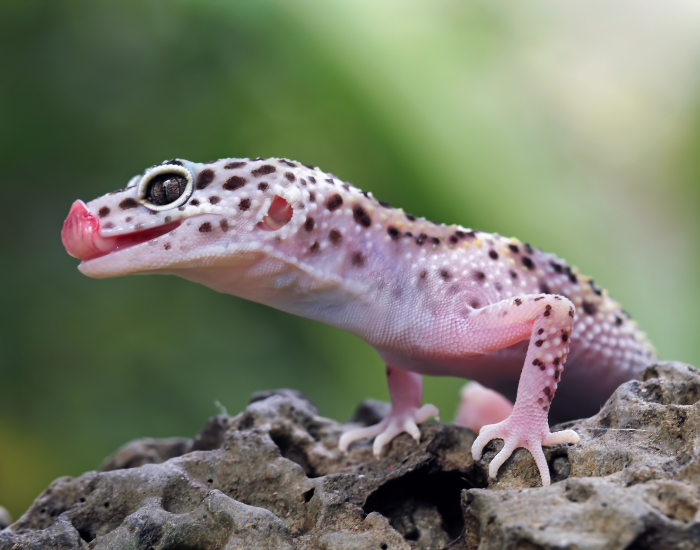
2. Leopard Gecko (Eublepharis macularius)
Leopard geckos are the other classic beginner pick. These small, nocturnal lizards have eyelids (unusual among geckos) and a gentle demeanor that tolerates much handling. I have watched my colleagues’ careful children interact with leopard geckos safely.
A 15- to 20-gallon tank works for a single adult, with three hides: warm, cool, and humid for shedding. Leopard geckos eat live insects: crickets, mealworms, dubia roaches, dusted with calcium. Recent studies link low-output UVB to better long-term health.
As exotic pets go, leopard geckos are well suited to apartment living. They are quiet, odorless, and small. Their low maintenance reputation is fair, but gut-loaded crickets and clean substrate still matter weekly.
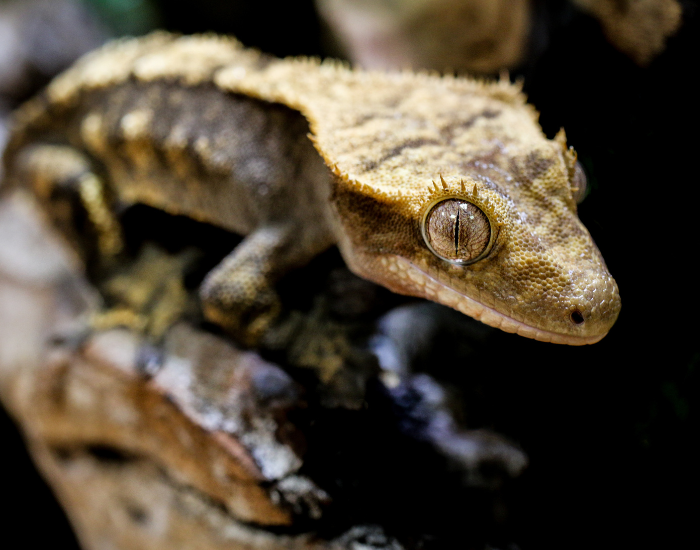
3. Crested Gecko (Correlophus ciliatus)
Crested geckos are arboreal reptiles native to New Caledonia. Rediscovered in 1994 after being presumed extinct, these pets exploded in popularity because their care needs are genuinely simple. Crested geckos thrive between 72 and 80°F, so most homes need no UVB or supplemental heat source, a rare gift among reptiles.
The diet is the real selling point. Powdered, pre-packaged complete foods replace the insects entirely. Many keepers offer crickets only as enrichment althoug you should know that current husbandry standards emphasize that live, gut-loaded insects are essential for juvenile growth and overall metabolic health. That simple feeding plan supports a long healthy life of 10 to 20 years.
4. Corn Snake (Pantherophis guttatus)
Corn snakes (or red rat snakes) are widely regarded as the best beginner snake, and I agree. They have curious personalities, rarely bite, and grow to a manageable size of 3 to 5 feet. Native to the southeastern United States, corn snakes tolerate humidity levels and temperatures that forgive minor mistakes.
Feeding is straightforward: a frozen-thawed mouse every 7 to 10 days. No daily fuss. A 40-gallon enclosure with secure latches, two hides, a water dish, and a 75–85°F thermal gradient covers their needs.

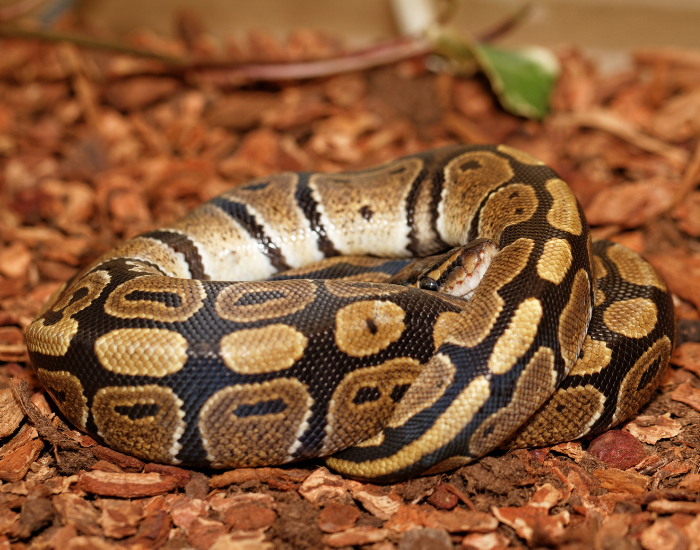
5. Ball Python (Python regius)
Ball pythons are the most popular pet snakes anywhere. Their gentle nature, modest length of 2 to 5 feet, and tendency to curl defensively rather than strike make these reptiles well suited to keepers who actually want to handle their pets. Ball pythons commonly live 20 to 30 years.
The husbandry challenge is humidity. Coming from West African forests, ball pythons need ambient humidity around 55–60%, climbing to 70% during shedding. Dry enclosures cause stuck sheds. Ceramic heat emitters work better than basking bulbs for the 88–92°F warm basking spot.
One honest warning: these animals can refuse food for weeks during breeding season. New owners panic. Veteran keepers shrug. As long as the snake holds weight, a fast is rarely an emergency.
6. Russian Tortoise (Testudo horsfieldii)
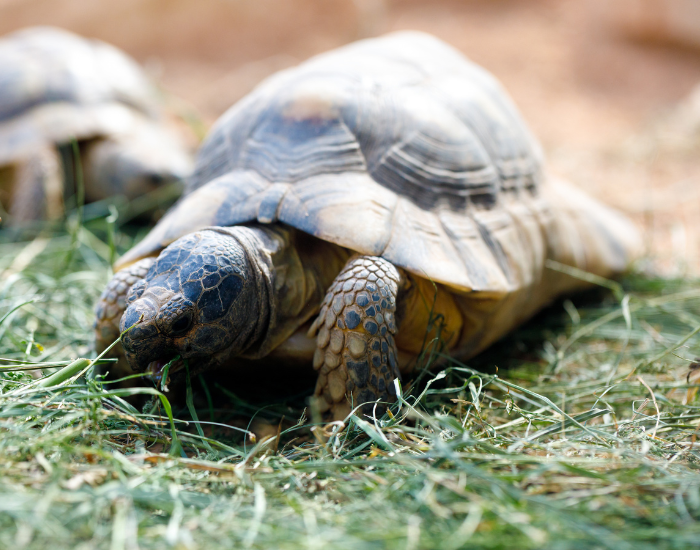
The Russian tortoise is the tortoise I would actually recommend. These pets have a manageable size of 8 to 10 inches, eat a proper diet of weeds and dark leafy greens, and tolerate cooler temperatures that fit ordinary homes. With proper care, a Russian tortoise lives 50 to 60 years, a family commitment, not an impulse buy.
Russian tortoises need a dry enclosure with deep substrate for burrowing, a basking spot near 95°F, and UVB lighting to synthesize vitamin D3. Greens such as dandelion, endive, and mustard should anchor the diet. Skip fruit and avoid most commercial tortoise pellets.
A breeder friend keeps his adults outdoors in summer. They graze on natural habitat vegetation, dig like tiny excavators, and behave in ways indoor pets rarely do. Outdoor time transforms their well being.
7. Red-Eared Slider (Trachemys scripta elegans)
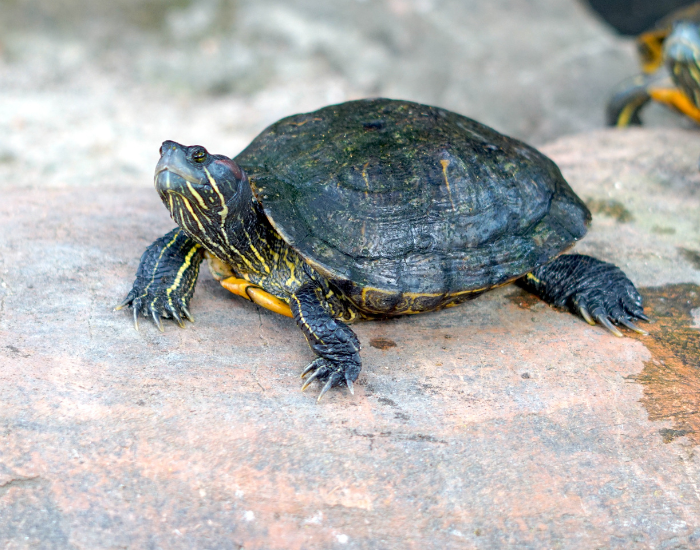
Red eared sliders are the most common pet turtle in homes everywhere, and regrettably the most commonly abandoned. The hatchling sold at pet stores grows into a 10- to 12-inch animal that lives 25 to 30 years and needs a 75-plus gallon tank with strong filtration. Most new pet owners are unprepared.
If you commit, sliders are rewarding pets. Aquatic turtles require deep swimming volume, a basking platform with a heat source reaching 90°F, UVB, and an omnivorous diet of pellets, greens, and occasional feeder fish. Water quality is everything.
These turtles are invasive across much of the world because of careless releases. Never release any reptile pet into the wild. As a biologist, I have seen the ecological damage feral sliders cause firsthand.
8. Blue-Tongued Skink (Tiliqua scincoides intermedia)
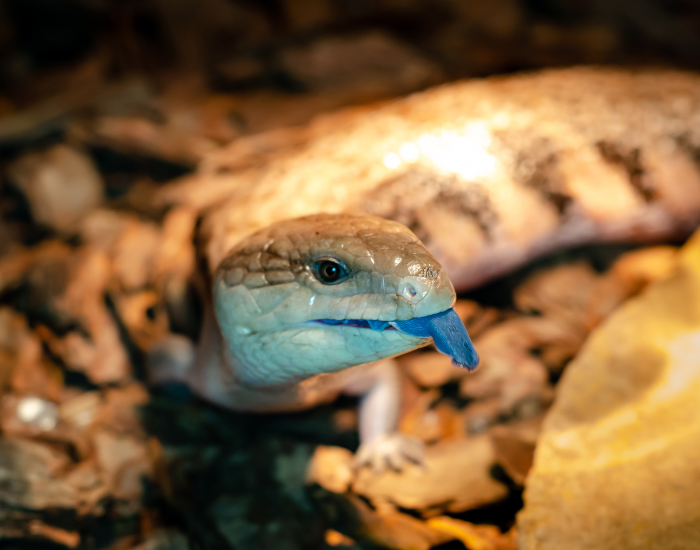
Blue-tongued skinks are underrated as pets among reptiles and skinks. These Australian and Indonesian lizards have a calm temperament, a gentle demeanor, and an inquisitive personality. Many reptiles overpromise on personality; blue-tongues actually deliver. They reach 18 to 24 inches and stay terrestrial.
Their omnivorous diet — roughly 50% greens, 40% protein from crickets and lean meats, 10% fruit — makes them a great choice for keepers who want variety. A 4x2x2 foot enclosure with hides, a basking spot near 95°F, and UVB are essential for long-term health.
I encountered wild northern blue-tongues in Australia. Their flash-and-hiss display, complete with cobalt blue tongue, startles predators. As pets, blue-tongues rarely deploy it. Most habituate to handling within weeks and become calm, curious animals well suited to thoughtful owners.
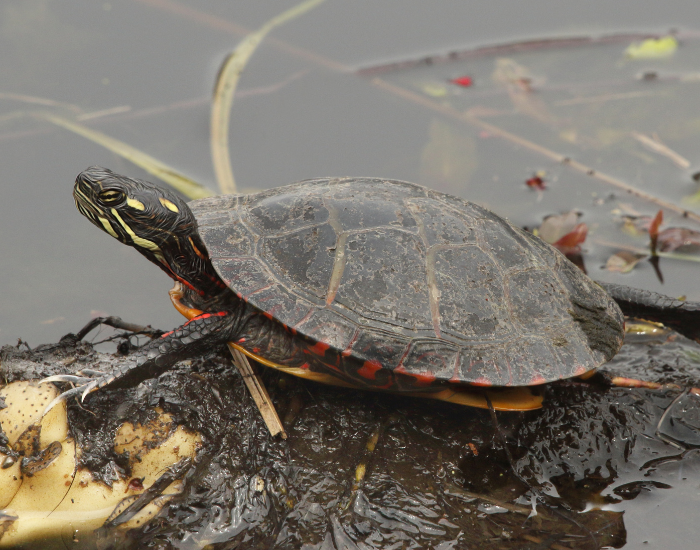
9. Painted Turtle (Chrysemys picta)
Painted turtles are the underrated American native that many overlook in favor of sliders. They stay slightly smaller, tolerate cooler water, and display the same omnivorous adaptability. As pets, painted turtles live 25 years or more.
The setup mirrors that of other aquatic turtles: a 55- to 75-gallon tank, strong filtration, a dry basking platform with special lighting that delivers heat and UVB, and water depth at least twice the shell length. They eat commercial pellets, greens, crickets, and the occasional invertebrate.
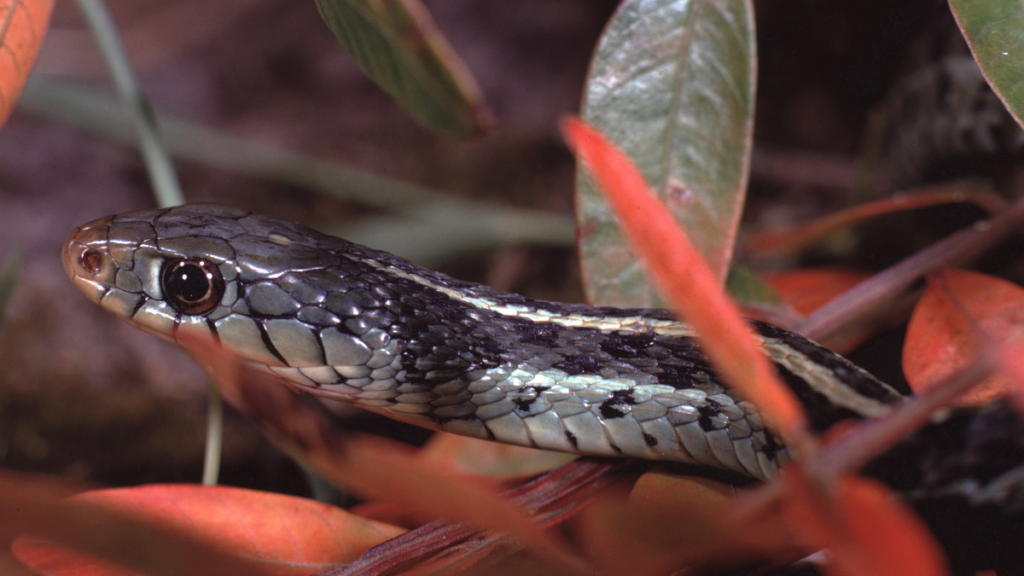
10. Garter Snake (Thamnophis sirtalis)
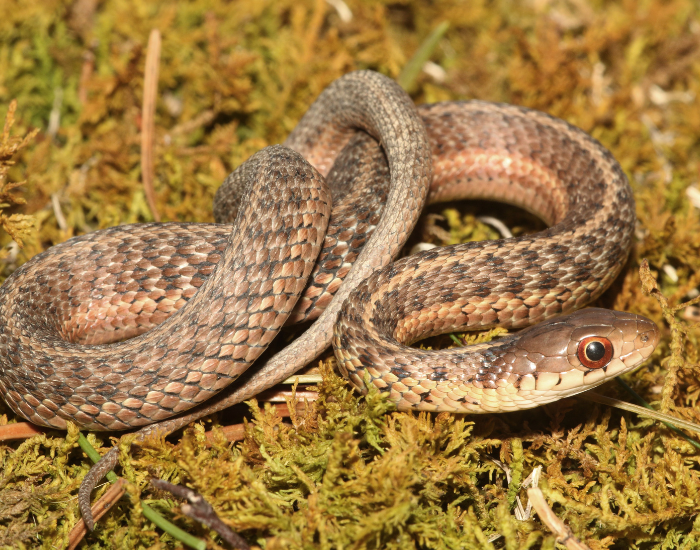
Garter snakes make surprisingly good pets for beginners. Smaller than corn snakes — typically 2 to 3 feet — and active during the day, they offer a more visible pet than nocturnal animals. Their diet is varied: earthworms, fish, frozen-thawed pinkies. That variety appeals to people who find rodent-only feeding uncomfortable.
A 20- to 30-gallon enclosure with a thermal gradient of 75–85°F, hiding spots on both ends, and a large water dish suits these pets well. Mild UVB helps, though it matters less than for diurnal lizards.
11. California Kingsnake (Lampropeltis californiae)
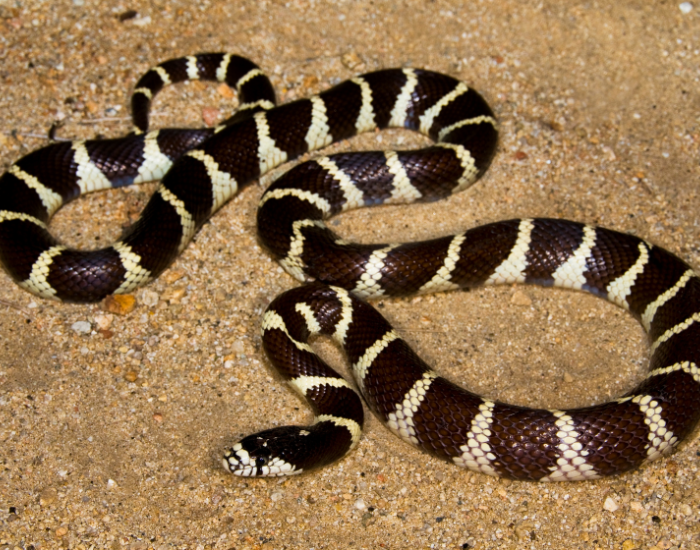
California kingsnakes are the slightly more spirited cousin of corn snakes. They share simple feeding, forgiving husbandry, and a comparable length. Where they differ — and this is essential — is temperament. Kingsnakes are more active, more curious, and occasionally more food-driven.
They earned their name by eating other snakes, including venomous rattlesnakes. Never house two kingsnakes together. A 40-gallon enclosure with secure latches (they are escape artists), two hides, and a 75–85°F gradient covers it. Feed a frozen-thawed mouse every 7 to 10 days.
Color morphs are spectacular: banded, striped, albino, lavender. For example, kingsnakes are often easier than ball pythons for first pets because they eat reliably without seasonal hunger strikes.
12. Green Iguana (Iguana iguana) — Read This Before You Buy
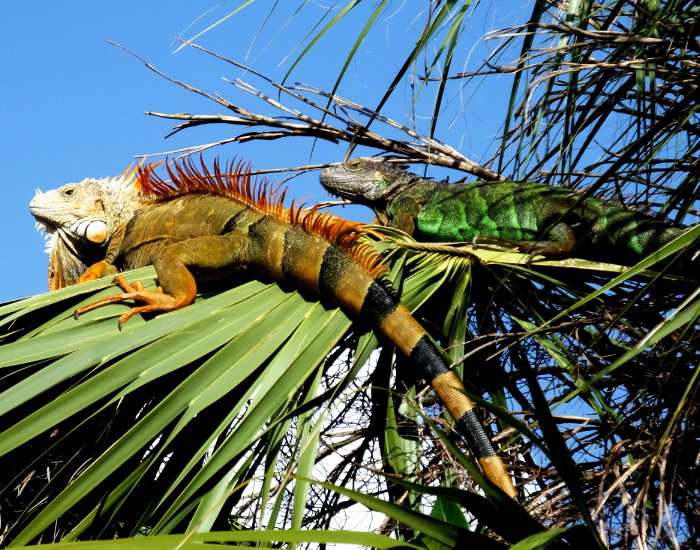
I am including green iguanas to be honest, not to recommend. Iguanas are sold cheaply at pet stores as tiny green lizards. They grow into 5- to 6-foot arboreal reptiles that need a custom enclosure the size of a small bedroom, intense UVB, daily fresh greens, and years of behavioral work to stay calm.
Adult iguanas can be aggressive during breeding season. Males deliver tail whips and bites that send keepers to urgent care. Most surrendered iguanas at rescues are former impulse buys. The news from reptile rescues is grim, iguanas are among the most abandoned pets in the trade.
If you have the room and experience, iguanas are stunning animals with real intelligence. As first pets, please skip them. I respect iguanas too much to recommend them to beginners.
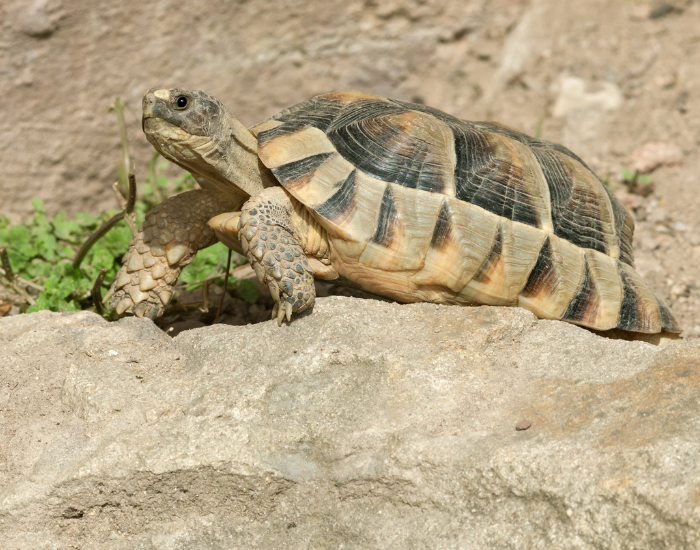
13. Hermann’s Tortoise (Testudo hermanni)
Hermann’s tortoise is the Mediterranean cousin of the Russian tortoise and, in my view, the more beautiful of the two. These small herbivores from Italy, Greece, and the Balkans reach only 6 to 8 inches but live 50 to 75 years. As pets, they are calm, observant, and remarkably long-lived.
Hermann’s tortoises need a dry, well-ventilated enclosure with deep substrate for digging, a basking spot near 90–95°F, and UVB. Their diet is strict herbivore: dandelion, plantain, clover, endive, and weeds from a pesticide-free yard. Skip lettuce, fruit, and commercial pellets.
A breeder colleague in southern France keeps his Hermann’s pets outdoors from April to October. They graze on natural plants and brumate in cooler months, behaving like miniature wild animals.
How to Choose the Right Reptile for Your Home
Reptile lovers often jump to the most striking of the many species available, without thinking about care needs. Match the animal to your room and your schedule. As one person who has cared for hundreds of reptile pets professionally — including other animals like dart frogs and crocodiles — I can say: a careful pick makes great pets that quietly amaze you. For example, an arid-zone bearded dragon and a humid-forest crested gecko need very different conditions to stay healthy. Match the habitat, and the rest follows.
FAQs You May Have
A small lizard inside your home — usually a house gecko or anole — indicates a healthy insect population nearby. They eat mosquitoes, roaches, and spiders. In many cultures I have visited during fieldwork, house lizards are considered good luck. Leave them alone and they will quietly reduce the bug count.
Male snakes have a paired reproductive structure called hemipenes — two separate organs stored inverted inside the tail base. Only one is used during a single mating. It is one of the more interesting examples of reptilian anatomy diverging from the mammalian norm.
The bearded dragon and leopard gecko are the safest first picks. Bearded dragons offer more interaction; leopard geckos demand less gear. Both have a docile nature and well-documented care needs that pet stores and online communities support.
Think Carefully Before Buying
Choosing the right reptile is less about picking a favorite face and more about matching a species to your home and willingness to maintain precise conditions. The reptiles that thrive in captivity are the ones whose natural habitat is closest to what you can replicate. The ones that fail are typically failed by people, not by their own biology.
Start with a bearded dragon, a leopard gecko, or a crested gecko. Build from there only if the husbandry holds your interest. If you want the wild context behind your future pet, my posts on types of amphibians, toxic dart frog species, and monitor lizards offer the field perspective the pet trade rarely shares. Drop a comment with the reptile you are considering — I read every one.
References:
Burghardt, G. M. (2013). Environmental enrichment and cognitive complexity in reptiles and amphibians: Concepts, review, and implications for captive populations. Applied Animal Behaviour Science, 147(3–4), 286–298. https://doi.org/10.1016/j.applanim.2013.04.013
Baines, F. M., Chattell, J., Dale, J., Garrick, D., Gill, I., Goetz, M., Skelton, T., & Swatman, M. (2016). How much UV-B does my reptile need? The UV-Tool, a guide to the selection of UV lighting for reptiles and amphibians in captivity. Journal of Zoo and Aquarium Research, 4(1), 42–63. https://doi.org/10.19227/jzar.v4i1.150
Warwick, C., Arena, P., Lindley, S., Jessop, M., & Steedman, C. (2013). Assessing reptile welfare using behavioural criteria. In Practice, 35(3), 123–131. https://doi.org/10.1136/inp.f1197
Mendyk, R. W., Newton, A. L., & Baumer, M. (2013). A retrospective study of mortality in varanid lizards (Reptilia: Squamata: Varanidae) at the Bronx Zoo: Implications for husbandry. Zoo Biology, 32(2), 152–162. https://doi.org/10.1002/zoo.21043