I get it, most of us have an instinctive fear of anything that buzzes like a bee, especially wasps. They look like oversized, fitter bees with a reputation for being aggressive. For me, that fear started early. I was eight years old, barefoot in the backyard, when I accidentally stepped on a wasp nest hidden under a pile of leaves. The sharp sting that followed became a childhood memory I’d never forget. From then on, anything with wings and stripes sent me running for cover. It wasn’t until years later, during my undergraduate studies in biology, that my perspective shifted, when I enrolled in an entomology course that completely changed how I saw these insects.
My professor was a passionate entomologist who specialized in bees and wasps. His lab was like a miniature museum, drawers filled with delicate specimens of paper wasps, mud daubers, cicada killer wasps, and honey bees, all pinned and labeled with precision. During my social service placement, I spent extra hours in that lab, helping catalog species. The closer I looked, the more I realized how astonishingly diverse these insects were, and how misunderstood.
Let’s explore the 12 types of wasps you’re most likely to encounter around the world. From social wasps guarding their papery nests to solitary wasps quietly helping control garden pests, these fascinating creatures play vital roles in our ecosystems.

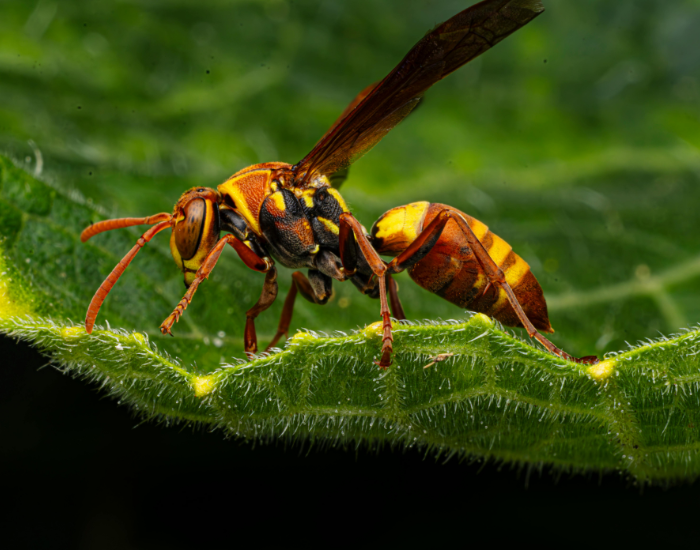
1. Paper Wasps (Genus Polistes)
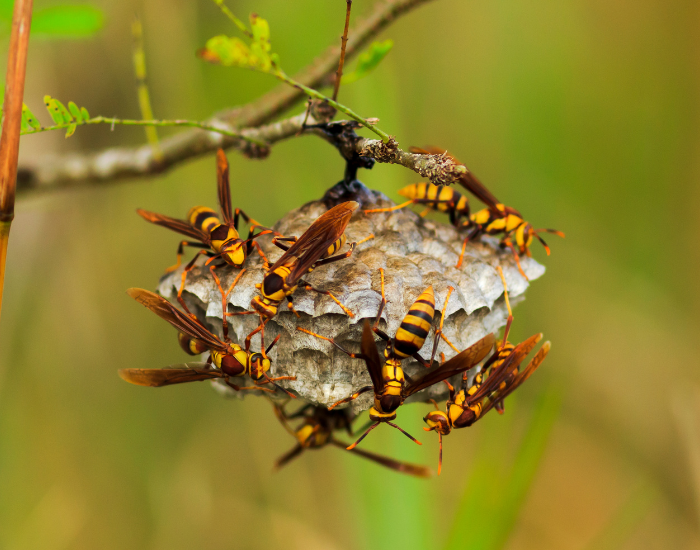
Paper wasps are among the most familiar wasp species worldwide. Recognizable by their slender bodies, long legs, and the umbrella-shaped wasp nests they construct from chewed wood pulp, these social wasps are both architects and pest controllers.
Habitat: Found in gardens, under eaves, and tree branches.
Behavior: Generally non-aggressive unless threatened. Unlike honey bees, paper wasps can sting repeatedly, though they rarely sting unless defending their nests.
Diet: Adults consume nectar and feed larvae on caterpillars and beetle grubs.
They’re considered beneficial insects since they control pest populations naturally. The paper wasp colony typically consists of female workers who maintain the nest throughout the warm months.
2. Yellowjackets (Genus Vespula)
The infamous yellowjackets are often mistaken for honey bees. However, their smooth, shiny bodies and aggressive nature set them apart. These social wasps form colonies in the ground or wall voids.
Coloration: Black and bright yellow bands create distinctive yellow markings.
Behavior: Yellowjackets are protective of their nests and can sting repeatedly without dying.
Fun fact: German yellowjackets and eastern yellowjackets are two of the most common species in the Northern Hemisphere.
Although they’re known for their painful sting, these wasps contribute significantly to pest control. In addition, they prey on flies and caterpillars, making them valuable for natural ecosystem balance.
3. Hornets (Genus Vespa)
Hornets, including the European hornet (Vespa crabro), are the largest wasps in the social wasp category. Despite their fearsome reputation, most species are rarely aggressive unless their nest is disturbed.
Appearance: Reddish brown with yellow markings distinguish them from other species.
Habitat: Build aerial nests in tree cavities and hollow trees.
Diet: Feed on other insect species and fruit juices.
The hornet’s ability to sting repeatedly has made it infamous. They’re primarily predators; they do visit flowers for sugars and may pollinate incidentally.. European hornets are particularly beneficial for controlling pest populations.

4. Cicada Killer Wasps (Sphecius speciosus)
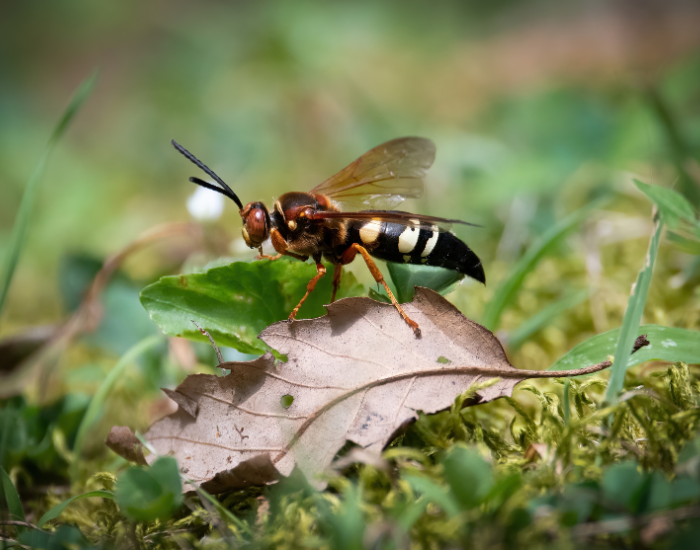
Don’t let the dramatic name fool you, cicada killer wasps are solitary species that rarely sting humans. These gentle giants dig burrows in sandy soil, where females paralyze cicadas to feed their larvae.
Behavior: Solitary wasps that hunt cicadas with precision.
Ecological role: Control cicada populations effectively.
Location: Common in the eastern United States and parts of Central America.
Despite their intimidating size, the cicada killer wasp is one of the most harmless species you’ll encounter. Therefore, if you spot these beneficial insects in your yard, there’s no need for alarm.
5. Mud Daubers (Families Sphecidae and Crabronidae)
Mud daubers are solitary wasp species known for their distinctive mud nests often attached to walls, cliffs, or tree trunks. They’re unlike honey bees, quiet, sleek, and independent. One of the most recognizable species, the organ pipe mud dauber (Trypoxylon politum), constructs elegant, tubular nests that resemble miniature pan flutes.
Diet: Adult mud daubers capture and paralyze spiders to feed their developing larvae.
Behavior: They are non-aggressive and rarely sting humans, making them among the most peaceful wasps to encounter.
Notable species:
- Organ pipe mud dauber (Trypoxylon politum, family Crabronidae)
- Black and yellow mud dauber (Sceliphron caementarium, family Sphecidae)
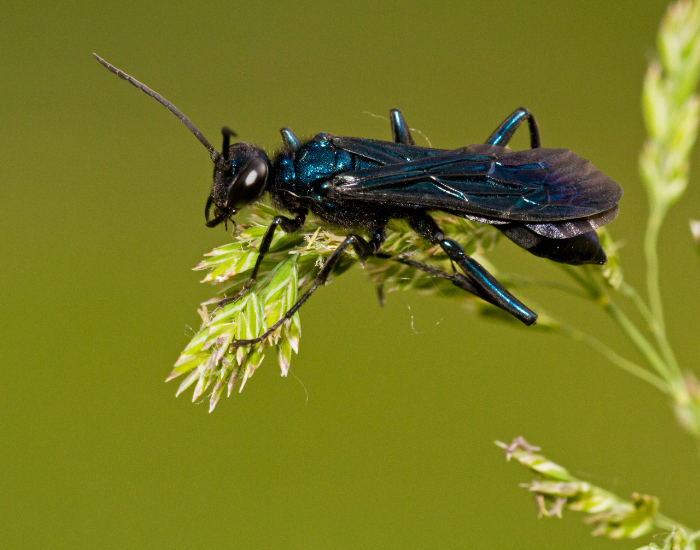
- Blue mud dauber (Chalybion californicum, family Sphecidae)
These wasps are beneficial insects that play an important ecological role by keeping spider populations in check. Their hunting behavior supports natural pest control in gardens and urban environments. By tolerating these gentle wasps, you encourage a more wildlife-friendly garden where native species can thrive in balance.
6. Thread-Waisted Wasps (Family Sphecidae)
Named for their impossibly narrow “waist,” thread waisted wasps are elegant hunters and skilled nest builders. This distinctive body structure makes them easy to identify among different kinds of insects.
Habitat: Open fields, gardens, and tree trunks.
Behavior: Solitary, gentle, and rarely aggressive toward humans.
Diet: Feed on flower nectar and paralyze caterpillars for their larvae.
Their fascinating behavior demonstrates the complexity of solitary species. In addition, their role as both pollinators and pest controllers makes them invaluable to ecosystems.
7. Potter Wasps (Subfamily Eumeninae)
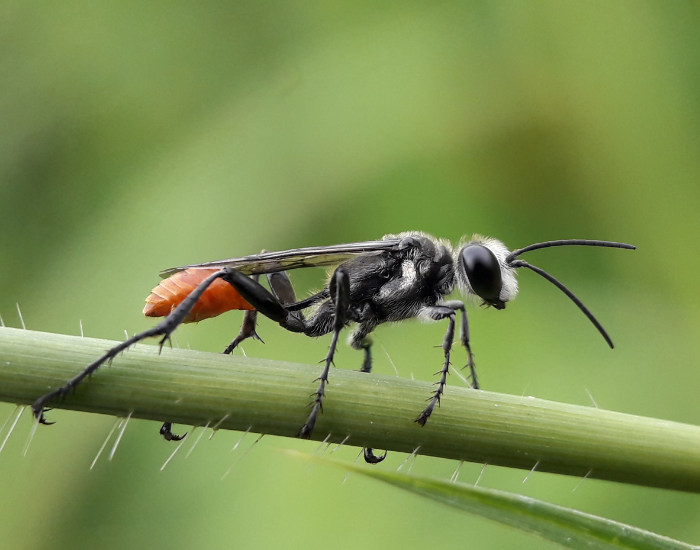
These solitary wasps are true artisans, crafting small clay pots or vases for their larvae — hence their name. Each tiny nest site represents hours of careful construction.
Habitat: Often build nests on rocks, twigs, or buildings.
Diet: Adults sip flower nectar while their larvae feast on captured caterpillars.
Fun fact: Each pot holds one egg and several paralyzed prey items.
They’re not aggressive and play an important role as pollinating plants supporters in native species habitats. Therefore, just as the other wasps, potter wasps contribute to both pest control and pollination services.
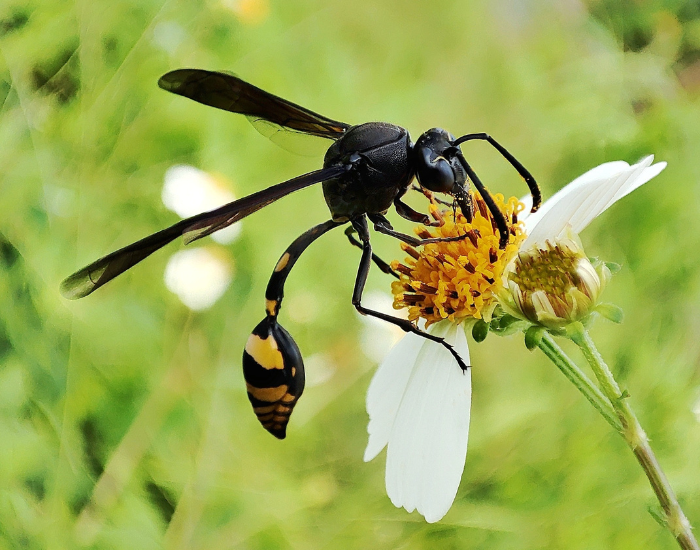
8. Tarantula Hawk Wasps (Genus Pepsis)
Among the most striking and largest wasp species, tarantula hawks are famous for their vivid metallic colors. They deliver one of the most painful stings in the insect world — though they’re not aggressive unless provoked.
Habitat: Arid regions and deserts across the United States, primarily the Southwest U.S. (AZ, NM, TX, CA).
Behavior: Females hunt tarantulas, paralyzing them for larvae food.
Ecological role: Control spider populations in desert ecosystems.
Their sting may rank near the top of the Schmidt Pain Index. However, their elegance and ecological purpose are undeniable.
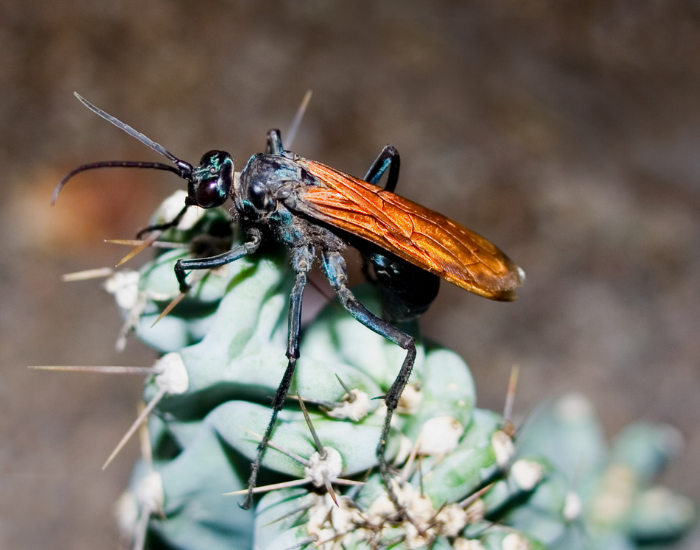
9. Northern Paper Wasps (Polistes fuscatus)
Northern paper wasps are social wasps known for constructing small, open wasp nests under eaves or branches. The paper envelope structure is characteristic of the entire colony.
Coloration: Reddish brown with yellow bands.
Behavior: Cooperative colonies of female workers maintain and defend the nest.
Life cycle: Involves egg, larva, pupa, and adult stages.
These colonies often collapse in winter. However, young queens survive to overwinter, a fascinating adaptation among temperate insect species. The northern paper wasp represents an excellent example of social insect organization.
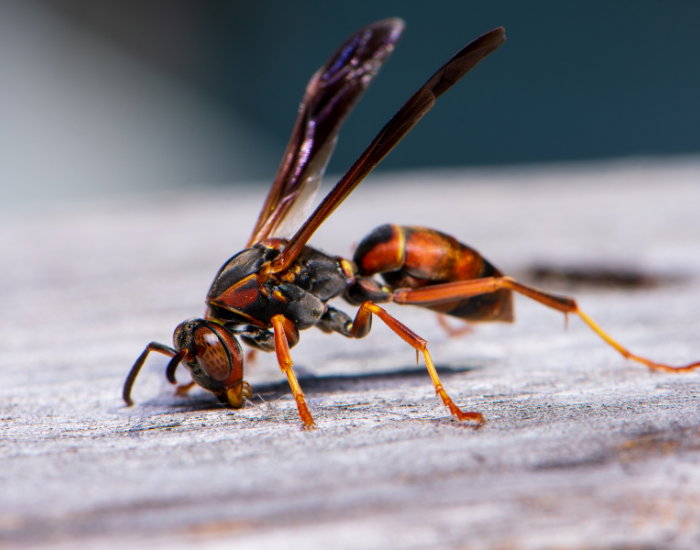
10. Mason Wasps (Subfamily Eumeninae)
Mason wasps use mud or chewed wood to seal their nests within tree cavities or abandoned beetle burrows. This construction method protects their developing larvae from predators.
Diet: Capture caterpillars and beetle grubs for protein.
Behavior: Solitary and non-aggressive toward humans.
Ecological role: Natural pest controllers and pollinating plants supporters.
Their nest-building habits mirror the resilience seen across ecosystems. Therefore, mason wasps prove that biodiversity is deeply interconnected. Each suitable nest site becomes a protected chamber for the next generation.
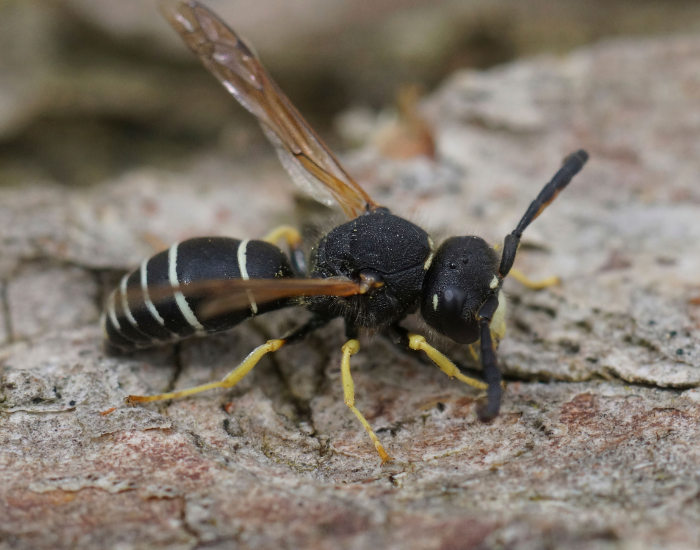
11. Invasive Wasps: The Asian Giant Hornet
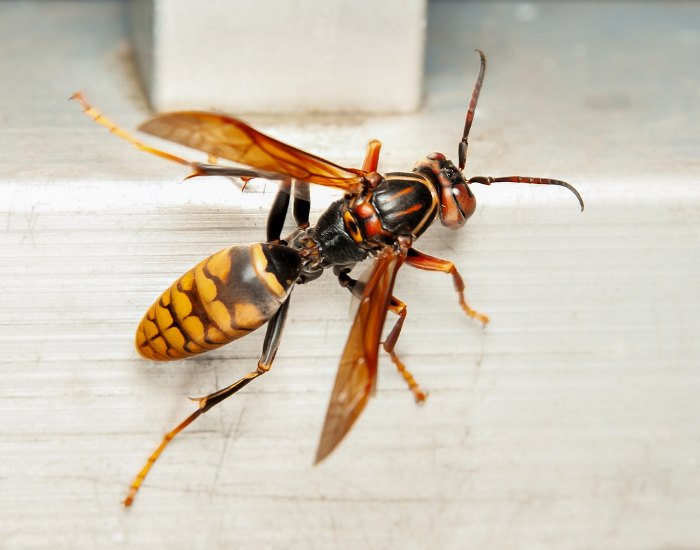
Often sensationalized as the “murder hornet,” the Asian giant hornet (Vespa mandarinia) is an invasive species that poses a real threat to honey bees and native pollinators. This represents one of the most species of concern in modern entomology.
Appearance: Massive size (up to 5 cm) with orange head and black abdomen.
Behavior: Preys on honey bee colonies, decimating entire hives.
Management: Requires careful pest control strategies to prevent spread.
This invasive species has raised awareness of how non-native insects disrupt ecological balance. Consequently, protecting native wasps and bees has become even more critical. The Asian giant hornet’s presence reminds us why biodiversity conservation matters. Eradicated from Washington State and the U.S. after no detections since 2021 (WSDA & USDA/APHIS, Dec 2024).”
12. Velvet Ants (Mutillidae Family)
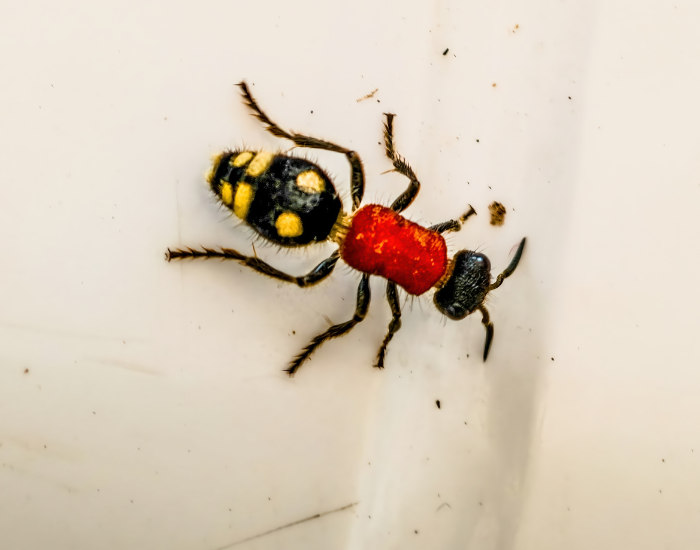
Despite the name, velvet ants are actually wingless female wasps. Covered in thick, fuzzy hairs, they’re known for their striking red, orange, or black coloration. Many species display warning colors that signal their powerful sting.
Behavior: Solitary and extremely tough; females deliver a powerful, painful sting.
Habitat: Sandy or open soil areas.
Ecological role: Parasitize other wasp species’ nests, keeping populations balanced.
They demonstrate that not all wasps sting out of aggression. Instead, many species evolved complex strategies for survival and reproduction. Therefore, even defensive stinging serves an ecological purpose.
Understanding the Wasp Life Cycle
All wasps share a similar life cycle: egg, larva, pupa, and adult. In social wasps, female workers feed larvae with chewed insects, while the queen lays eggs continuously. Male drones live briefly for mating purposes only.
In contrast, solitary species like mud daubers and thread waisted wasps handle every stage alone. They build nests, hunt prey, and seal chambers with care. This intricate process underscores why wasps are more than just backyard pests. Therefore, they are ecosystem engineers that deserve our respect.
Bees and Wasps: Similarities and Differences
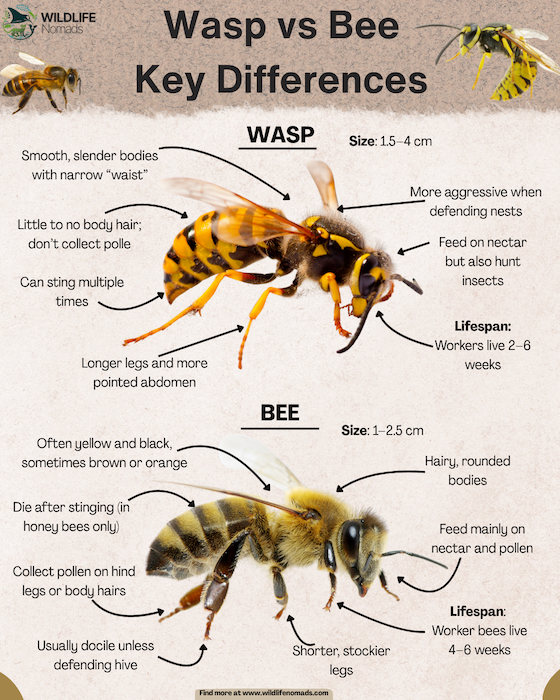
Though often confused, bees and wasps differ in both behavior and body design. Understanding these differences helps identify which insects visit your garden.
| Feature | Bees | Wasps |
|---|---|---|
| Body | Hairy, for pollen collection | Smooth, slender, narrow waist |
| Diet | Nectar and pollen | Nectar, insects, or spiders |
| Behavior | Generally docile | Some species are defensive |
| Role | Pollination | Pest control and pollination |
Learning to tell different kinds of bees and wasps apart is key to appreciating their unique ecological roles. In addition, this knowledge helps reduce unnecessary fear and promotes coexistence.
The Importance of Wasps in the Ecosystem
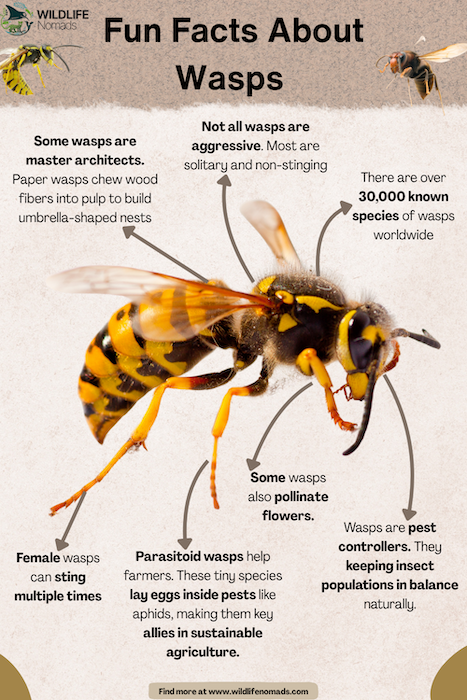
Wasps are unsung heroes of biodiversity. They act as natural pest control, preying on harmful insects that damage crops and gardens. In addition, they pollinate wildflowers and flowering plants. Furthermore, they support healthy food webs and native species across diverse habitats.
Research found that wasps contribute to controlling pest populations globally. Therefore, they offer billions in ecosystem services each year. Unlike honey bees, which focus primarily on pollination, wasps provide dual benefits.
Threats Facing Wasps
Wasps face serious challenges. Habitat loss due to urbanization and deforestation eliminates suitable nest sites. In addition, pesticide exposure kills non-target species indiscriminately.
Climate change disrupts their nesting and life cycles, while invasive species like the Asian giant hornet displace native populations. Their decline mirrors that of other insects. Therefore, it highlights how fragile ecosystems have become in the face of human impact.
Conservation and Coexistence
Protecting wasps doesn’t mean inviting them into your home. Instead, it means learning to coexist with these beneficial insects. You can take several practical steps.
Avoid destroying small nests unless absolutely necessary. Use non-chemical deterrents instead of toxic sprays. Support native flowers to encourage pollinating plants visitors. Reduce lawn mowing to offer suitable nest sites for ground-nesting species.
Creating gardens that support both bees and wasps can help restore ecological balance. Therefore, even small changes make a difference for native species conservation.
FAQs about Wasps
The yellowjacket is among the most aggressive types, especially when defending its nest. However, even aggressive species typically avoid conflict unless threatened.
The tarantula hawk wasp delivers one of the most painful stings known to humans. Nevertheless, it’s not aggressive and rarely encounters people.
Mud daubers and potter wasps are solitary, peaceful, and unlikely to sting. Therefore, these species pose minimal risk to humans.
How can I tell what kind of wasp I have?
Check the nest type, body shape, and color pattern. Paper wasps have open nests, yellowjackets build enclosed ones, and mud daubers create clay tubes. In addition, observe their behavior and size.
No — they are non-aggressive beneficial insects that help control cicada populations. Therefore, coexistence is the best approach.
Seal food containers outdoors and reduce sweet drinks in open areas. In addition, close tree cavities or wall voids to prevent nesting. However, remember that wasps provide valuable pest control services.
Beyond the Sting
Wasps may never win a popularity contest. Nevertheless, they are extraordinary creatures, architects, hunters, and pollinators rolled into one. From the artistic potter wasp to the commanding European hornet, these insects remind us that even the most feared species have a purpose.
Understanding different kinds of wasps helps us appreciate their role in maintaining the balance of nature and not be so scared of them (although they are scary, I understand). Therefore, protecting these beneficial insects is part of understanding ourselves, and the ecosystems that sustain us. Whether you encounter social wasps or solitary species, remember that each plays a vital role in pest control and pollination.
By learning to coexist with wasps, we support biodiversity and create healthier environments for all living things. In addition, we reduce our reliance on chemical pest control methods. Ultimately, these often-misunderstood insects deserve our respect and protection.
Further Reading
- 13 Remarkable Facts About the Flower-Shaped Orchid Mantis
- Hobo Spiders: 12 Creepy but Fascinating Facts